
Last updated November 20, 2026
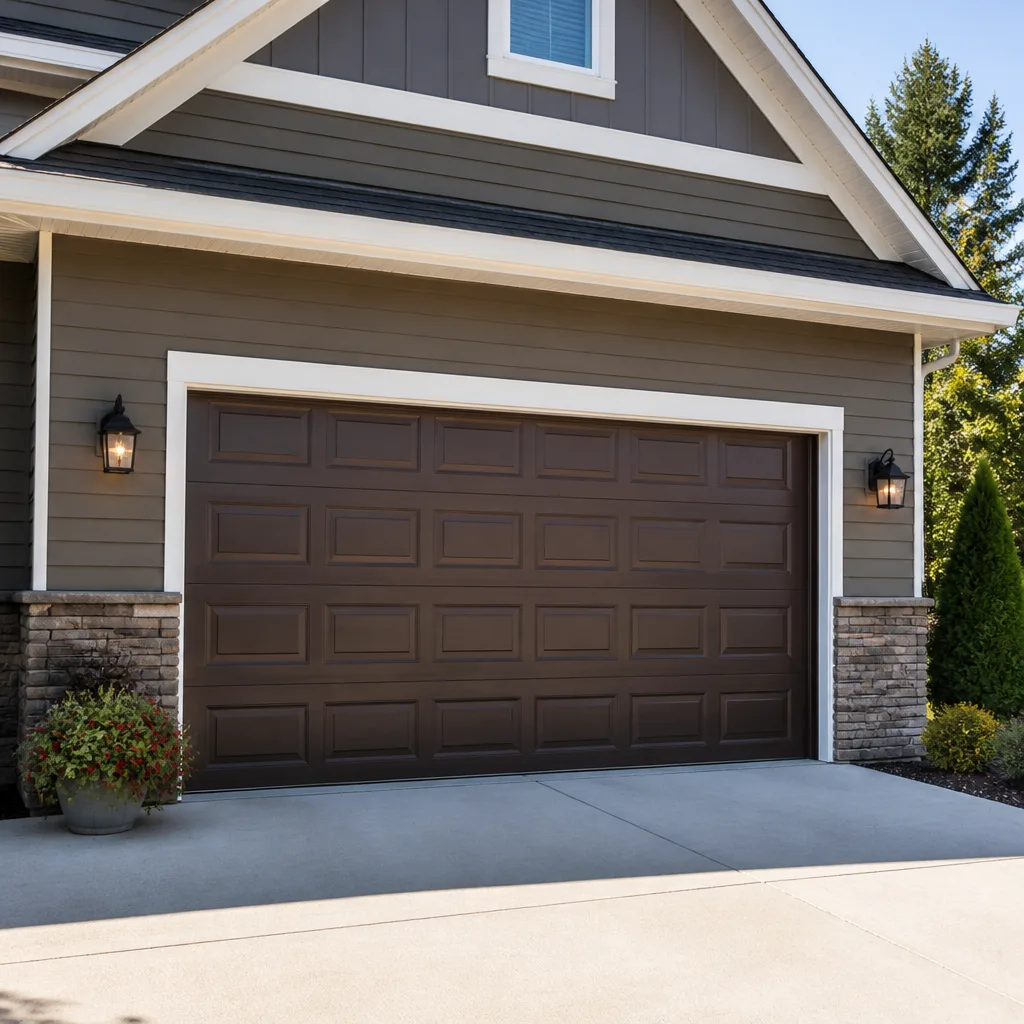 Raised-panel steel
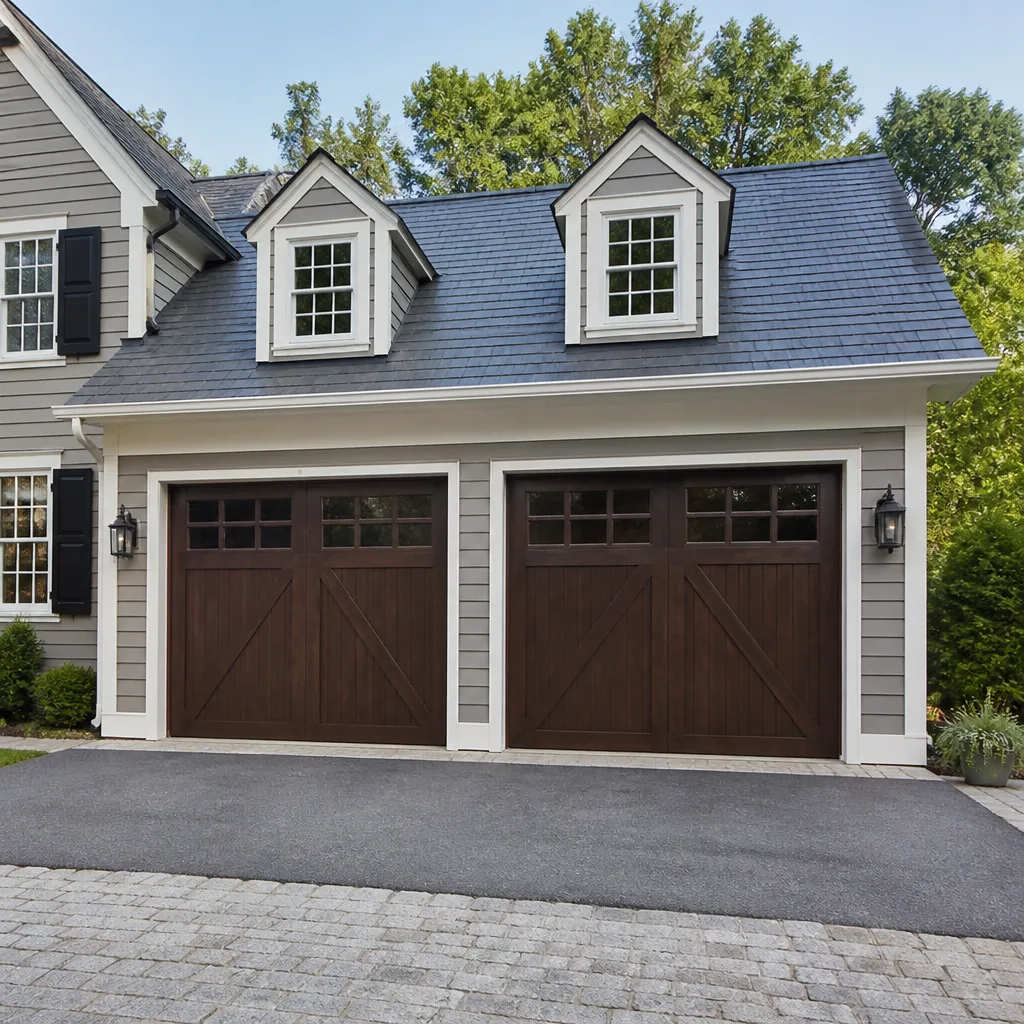 Carriage house
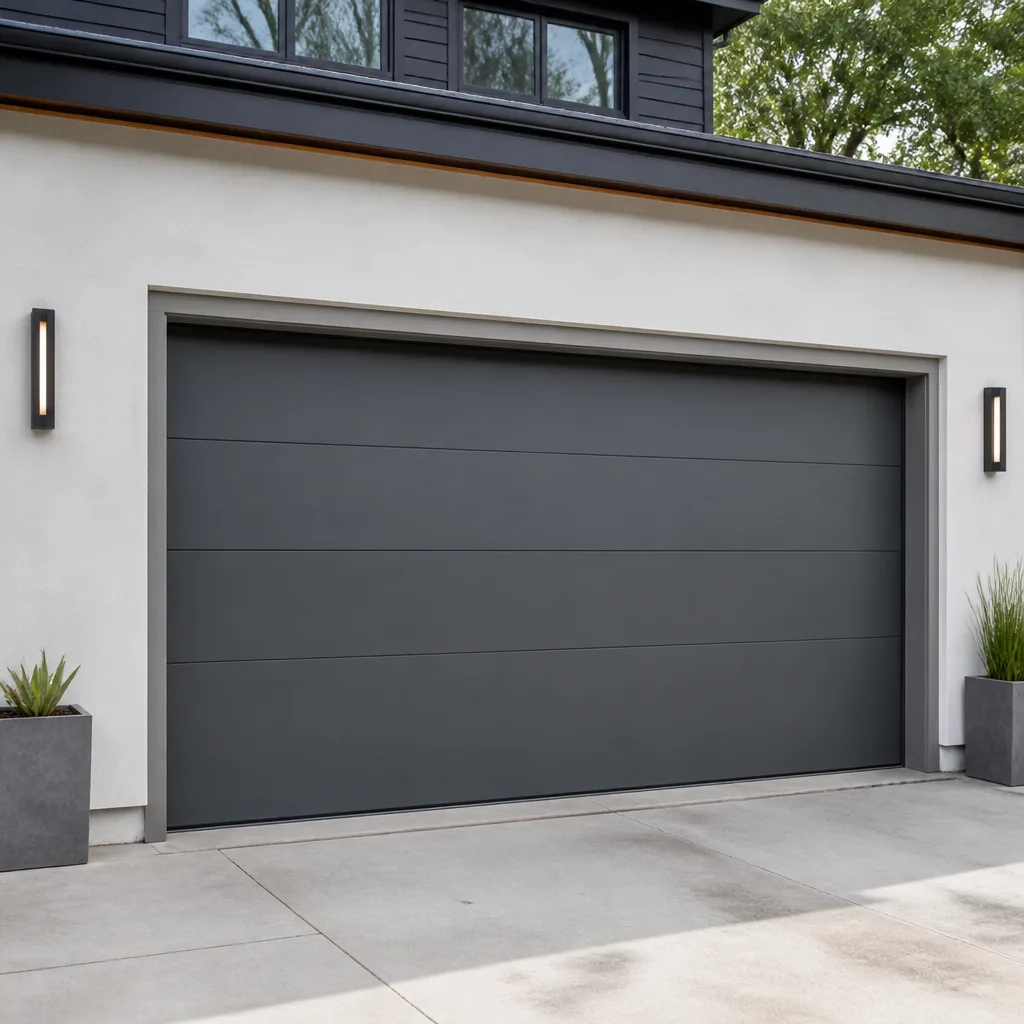 Modern flush
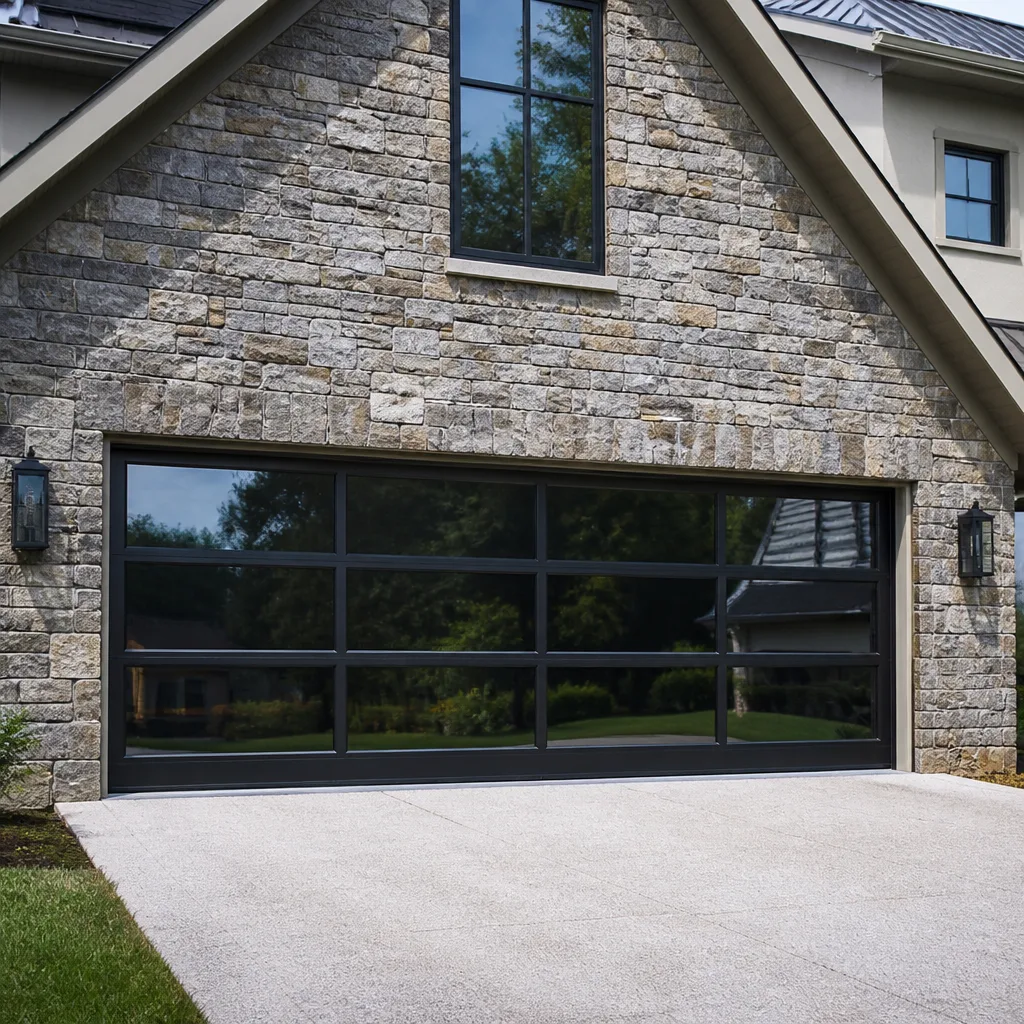 Full-view glass
 LiftMaster openers
 Chamberlain openers
Full 25-point door and opener safety check with every visit - springs, cables, rollers, tracks, and your LiftMaster or Chamberlain opener included
You get a price before we start. It does not change when the pro arrives.
Get your free estimateThe Complete Guide to Garage Doors in Westwood
Your garage door probably moves more than any other mechanical system in your house, and it gets less attention than any of them. Most homeowners in Westwood only think about the door when it stops working – when a spring lets go, a track bends, or the opener grinds and quits. That’s the wrong order. A garage door is a system of predictable parts with predictable failure points, and knowing how those parts connect is the single best way to keep a small problem from turning into an expensive one. This guide walks you through the components, the local conditions that wear them down, the brand quirks worth knowing, and when a repair makes sense versus a replacement.
Quick Answer
A garage door lasts roughly 15 to 30 years depending on the material, but its springs, rollers, seals, and opener have much shorter service lives and fail on their own schedule. In Westwood, the freeze-thaw cycles across winter stress springs, bottom seals, and track alignment harder than in milder climates, so tune-ups and part replacements matter more here. The sections below cover parts, costs, brands, repair-versus-replace decisions, and what to check before you call anyone.
Styles & brands we work with
- Raised-panel steel
- Carriage house
- Modern flush
- Full-view glass
- LiftMaster openers
- Chamberlain openers
Table of Contents
- How a Garage Door System Actually Works
- A Plain-Language Parts Glossary
- How Westwood’s Freeze-Thaw Cycles Wear Your Door Down
- Brand Quirks and What Breaks First
- Why Single-Car and Two-Car Doors Fail Differently
- Repair or Replace? The Door Age Milestones
- What Garage Door Work Costs in Westwood
- A Simple Maintenance Routine
How a Garage Door System Actually Works
A garage door is not a single object. It’s a set of systems layered together: the door panels, the tracks they ride in, the springs that counterbalance the weight, the rollers and hinges that carry the motion, and the opener that lifts it. When one part wears, the others take the strain. That’s why a door that “just started making noise” often has a worn roller that’s been transferring load to a hinge for months. We work on the brand you already have, so the goal isn’t to sell you a whole new system – it’s to find which part was load-bearing that shouldn’t have been.
Here’s how the main systems break down:
- The door itself: Steel, aluminum, wood, or composite panels that slide up and back along the tracks. Panels can dent, crack, or come out of alignment.
- The tracks: Vertical and horizontal rails that guide the door. They bend from impact and drift out of plumb with seasonal movement.
- The springs: Torsion springs sit on a shaft above the door; extension springs run along the horizontal tracks. Both counterbalance the door’s weight so the opener only lifts a fraction of it.
- The opener: The motor and drive system. Belt, chain, or screw drives pull the door; smart openers add app control and battery backup.
- The safety sensors: Photo-eye sensors near the floor that reverse the door if something crosses the beam.
The balance point is what ties it all together. A properly balanced door can be lifted by hand and stays put halfway up. When that stops being true, the opener is doing the springs’ job, which wears the opener and puts stress on the whole system. That’s the first thing any technician should check, and it’s the fastest way to tell whether your door needs a spring adjustment or something bigger.
A Plain-Language Parts Glossary
Being able to describe what’s wrong accurately saves time and usually money, because the technician knows what to bring. Here’s the vocabulary we use, in plain terms. If you can name the part or at least the symptom, you’re already ahead of most callers.
- Torsion spring: The coiled spring mounted above the door on a metal shaft. It does most of the heavy lifting. These are the springs most likely to need professional replacement.
- Extension spring: Springs that stretch along the horizontal tracks, common on older doors. They open with more visible travel and can snap with significant force.
- Cable: Steel cable that connects the bottom bracket to the spring system. Cables and springs are under high tension and are not a DIY job.
- Roller: Small wheels that ride inside the tracks. Nylon rollers are quieter than steel; both wear flat and cause rattling.
- Hinge: The pivoting joint between panels. Hinges carry load and loosen over time, so they’re a common source of noise.
- Bottom seal: The rubber strip along the floor edge. It blocks drafts, water, and pests. It stiffens and tears in cold weather.
- Weatherstripping: The seal around the door’s sides and top that keeps wind and debris out.
- Photo-eye sensor: The two small units near the floor that stop and reverse the door when the beam is broken.
- Balance point: The halfway position where a properly adjusted door stays put on its own. If it drops or rises, the springs need attention.
- Lift force: The opener’s lifting capacity. If it’s struggling, the problem is usually balance or a worn drive, not the motor itself.
When you call, describing “the door slams down hard instead of easing shut” tells us more than “it’s broken.” That symptom points straight at springs or cables. “It rattles and the opener struggles” points at rollers, hinges, or the drive. The right words get the right part on the first visit.
How Westwood’s Freeze-Thaw Cycles Wear Your Door Down
Westwood winters are the hardest thing your garage door deals with. The freeze-thaw cycle – water melting into cracks and seams during the day, then refreezing and expanding overnight – is relentless across the colder months, and it hits three parts of the system harder than in climates that stay mild or stay frozen all winter. Knowing this changes how often you inspect and what you look for.
Torsion springs are the biggest casualty. Metal contracts in cold and expands in warmth, and every cycle puts a little more fatigue into a spring that’s already under high tension. A spring that’s near the end of its life often gives way on the first genuinely cold morning of the season, when the metal is stressed and the door feels heavier. That’s why spring failures cluster in late fall and early winter in Westwood.
Bottom seals take the second hit. The rubber stiffens in cold, cracks where it flexes, and stops sealing against the floor. Once it’s compromised, meltwater and cold air get under the door, and the seal pulls away further. A worn seal also lets debris and pests in, so it’s worth inspecting each fall.
Track alignment shifts with seasonal ground movement. Frost heave can move a track slightly out of plumb, and once a track is off, the rollers bind and the door drags. That’s a slow process most homeowners notice as “it’s been sticking lately” before they notice the bent track itself.
Our advice for Westwood homes: schedule an inspection in early fall before the first hard freeze, not after. Spring replacement, seal checks, and track alignment are all far cheaper to catch ahead of a failure than to fix in an emergency. The same logic applies to the rollers and hinges, which stiffen in cold and put extra load on the opener motor.
Brand Quirks and What Breaks First
Knowing the brand on your door matters because each maker has its own failure pattern. Our technicians are factory-familiar with eight major brands – LiftMaster, Chamberlain, Genie, Clopay, Amarr, Wayne Dalton, Craftsman, and Raynor – which means we diagnose faster and source the correct parts the first time rather than guessing. Here’s how a few of the most common ones tend to behave in Westwood homes.
- Chamberlain and LiftMaster: These two share engineering lineage, and the most common failure we see is the gear and sprocket assembly wearing down on chain-drive units, or the logic board failing on older models. Belt-drive versions last longer but can develop a slipping belt as it ages. LiftMaster’s MyQ connectivity is a nice feature until the Wi-Fi module drops and the app stops responding, which is usually a firmware or router issue, not a motor problem.
- Genie: Genie openers are known for a reliable motor, but the safety sensors are the usual first failure – they drift, get knocked out of alignment, or collect spider webs that block the beam. A door that opens by remote but reverses immediately is almost always a sensor alignment issue, not a motor. Older Genie units also use a proprietary rail that shouldn’t be mixed with aftermarket parts.
- Clopay and Amarr: These are door manufacturers rather than opener brands, and their panel and hinge systems differ. Clopay’s steel doors use specific hinge patterns, and Amarr’s panel configurations vary by model line. Matching parts to the actual model matters here, because a hinge that “looks the same” often isn’t. We keep the model numbers on file so replacements match rather than approximate.
- Wayne Dalton: Popular for its foam-core insulated doors, which are great for Westwood’s temperature swings. The common issue is the torsion spring and the hinges on the top panel, which bear the most flex. Their TorqueMaster system uses a different spring setup than standard torsion, so it needs someone who knows that design.
- Craftsman: Older Craftsman openers are common in the area and usually fail on the capacitor or the drive gear. They’re reliable for the price but not always easy to source parts for, so we check availability before quoting a repair versus a replace.
- Raynor: Solid commercial-grade hardware, with failures usually on the springs and the track brackets rather than the panels. Raynor’s springs tend to last longer, but when they go, the door is heavy enough that a balance check matters.
The takeaway: the brand tells us what to expect. A Genie door that reverses is a sensor problem; a Chamberlain door that grinds is a gear problem; a Wayne Dalton door with a slack spring needs the TorqueMaster-specific fix. That first-visit accuracy is the difference between a single appointment and three.
Why Single-Car and Two-Car Doors Fail Differently
A double-car door isn’t just a wide single-car door. The width changes how the system loads, and it changes which part fails first. We’ve repaired both enough times to know the patterns.
Single-car doors (8 to 9 feet wide) are lighter and carry less on each spring, so springs last longer and failures tend to be gentler. The most common issue is the opener working harder than it should because the door is out of balance, or the rollers wearing flat from constant use. Single-car doors also have narrower tracks, so a knocked or slightly bent track shows up fast as a binding door.
Two-car doors (16 to 18 feet wide) are heavier and usually run on a heavier spring system, often a matched pair. The critical difference: a two-car door with a single spring is under more tension per spring, and if one side’s spring fails, the door twists on its way up. That asymmetry strains the tracks, hinges, and center stile. A two-car door that drags on one side or hangs crooked is often telling you one spring is doing more work than the other. If a matched pair fails on one side, replace both – a pair costs about twice a single spring, and running a new spring against an old one is a fast route to a second failure.
To diagnose which side is driving the problem, close the door and watch it from the center. If it lifts higher on one side, the springs aren’t balanced. If it binds at a specific height, a track or hinge is catching. If it sags in the middle, the panel or hinges need attention. Knowing which door type you have helps you describe the issue accurately when you call.
Repair or Replace? The Door Age Milestones
The repair-versus-replace call usually comes down to age, material, and what’s actually failing. Here’s how we think about it at each milestone. A door that’s only had a spring or a roller fail can usually be repaired for years; a door with structural panel damage, a rusted-through bottom section, or a failing opener and springs at the same time is usually a replacement conversation.
- At 5 years: Still well within its life. Almost everything is a repair. Springs, rollers, seals, and opener parts are the only likely work. If a panel is dented, it’s worth repairing while parts are still easy to match.
- At 10 years: Springs are due for a first replacement on many systems, and the opener motor may start showing its age. A track re-alignment or hinge tightening is common around now. If the door is working fine, a tune-up is the better spend than a new door.
- At 15 years: This is where decisions get real. Springs may be on their second set, the opener is near the end of its useful life, and the bottom seal and weatherstripping need attention. If only the opener is failing, replace the opener. If the springs, panels, and opener all need work, compare the total repair cost against a new installation.
- At 20+ years: Replacement usually wins. Panels are structurally weaker, hardware is worn through, and parts become harder to source. If the door is dented, rusted at the base, or the panel hinges are pulling out, replacing it is the better long-term choice. If the door is solid and just needs springs and an opener, a repair can still be worth it.
For Westwood homeowners weighing this, the honest answer is that a door a few years past ten is usually a repair, and a door past twenty is usually a replacement – but the only way to know is an assessment. We give a written estimate before any work starts, so you know the number and can compare it against the replacement cost.
What Garage Door Work Costs in Westwood
Garage door work is priced per job by a written estimate, so there’s no single number that covers every door. That said, here are the typical ranges for the most common jobs so you can plan. The written estimate is the final word, and we quote it before any work starts.
| Service | Typical estimated range |
|---|---|
| Torsion or extension spring replacement (one spring) | $180-$340 |
| Matched spring pair replacement | About twice a single spring |
| Roller, hinge, or cable replacement | Quoted per job |
| Bottom seal or weatherstripping | Quoted per job |
| Opener repair or replacement | Quoted per job |
| New door installation | Free measure and written price |
Spring repair is the most common job we’re called for, and it’s the one most homeowners can’t safely handle themselves. Torsion springs are under high tension and a wrong move can cause serious injury, so this is a trained-professional job, not a weekend project. For installation, the work is measured, ordered, and scheduled – we give you a free measure and a written price rather than promising a same-day install. For repairs, same-day service and emergency response are available when a door fails and can’t wait.
When you call, the number we quote is based on the parts and labor for your door, not a flat rate that ignores what’s actually wrong. If a technician finds something unexpected, we talk it through before doing any additional work. No surprises on the invoice.
A Simple Maintenance Routine
Most garage door failures start as small issues you can catch on your own. Here’s the routine we recommend for Westwood homes, and you don’t need any tools beyond a flashlight for most of it.
- Do a monthly visual check. Look at the springs, cables, and tracks. Springs with a visible gap or cable wires that are frayed or kinked need professional attention, not a DIY fix.
- Test the balance. Disconnect the opener, lift the door halfway, and let it go. A balanced door stays put. One that rises or falls needs a spring adjustment.
- Test the safety sensors. Break the beam with your hand and confirm the door reverses. If it doesn’t, the sensors need alignment or replacement.
- Lubricate the right parts. Rollers, hinges, and the spring coils get a garage-door lubricant; tracks should stay clean and dry, not greasy.
- Inspect the bottom seal and weatherstripping before winter. If the rubber is stiff, cracked, or pulled away, replace it before the freeze-thaw season.
- Listen for changes. A door that gets louder, drags on one side, or hesitates at the start is telling you something is wearing out.
This routine takes about ten minutes a month and catches the cheap problems before they become expensive ones. The expensive repairs usually start as ignored symptoms.
Common Mistakes to Avoid
- Ignoring a heavy door. If your door slams shut instead of easing down, the springs are already failing. Waiting for it to break fully costs more and risks panel damage.
- Replacing one spring of a pair. A matched pair needs both replaced together. Running an old spring against a new one doubles the load on the old one and shortens its life.
- Greasing the tracks. Tracks should stay clean and dry. Grease attracts dirt, and dirt binds the rollers.
- Adjusting the springs yourself. Torsion and extension springs are under high tension and can cause serious injury. This is a trained-professional job.
- Skipping the fall inspection. In Westwood, the first hard freeze is when springs fail. An early-fall inspection is the cheapest insurance against a February emergency.
- Assuming the opener is the problem. Most “opener failures” are actually balance, spring, or sensor issues. Replacing the opener without fixing the cause wastes money.
- Letting a bent track slide. A small track bend turns into a binding door, then a broken hinge. Catch it when it’s small.
See the difference
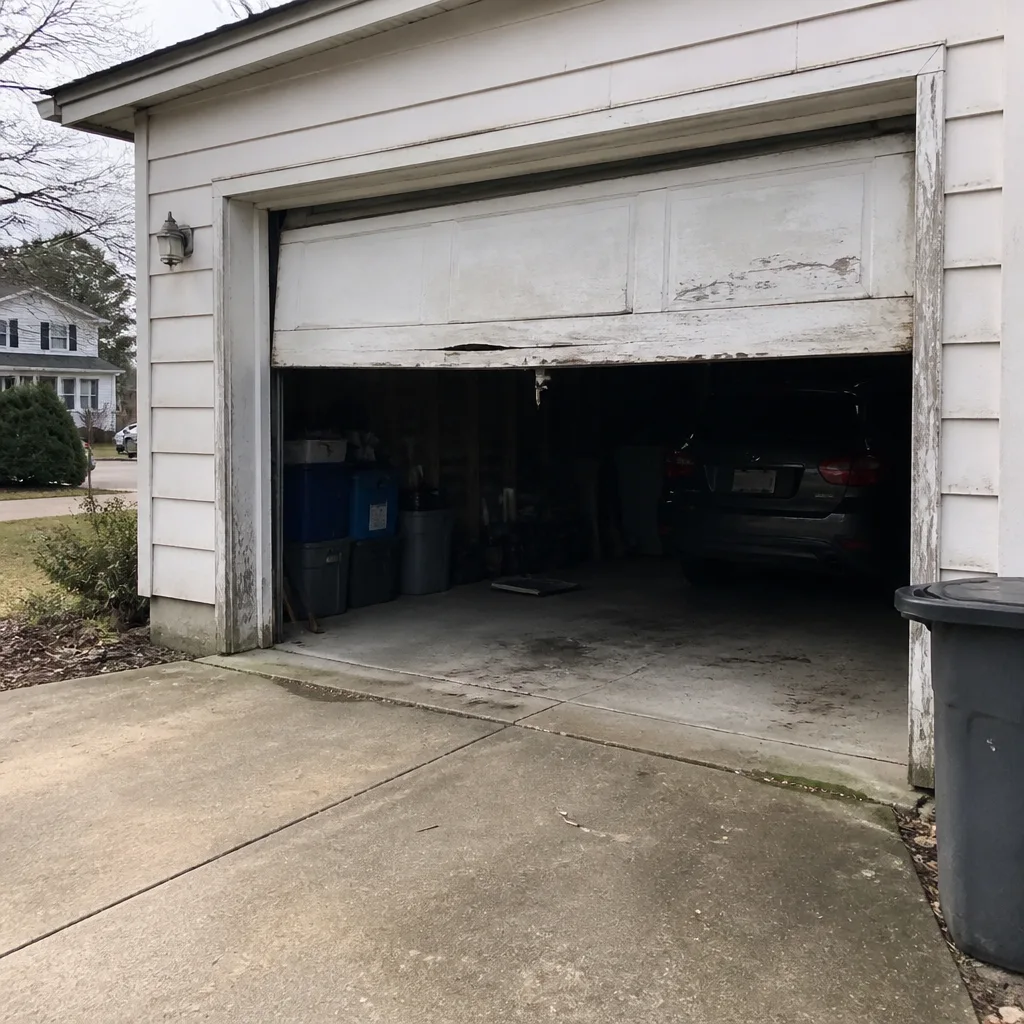 Before
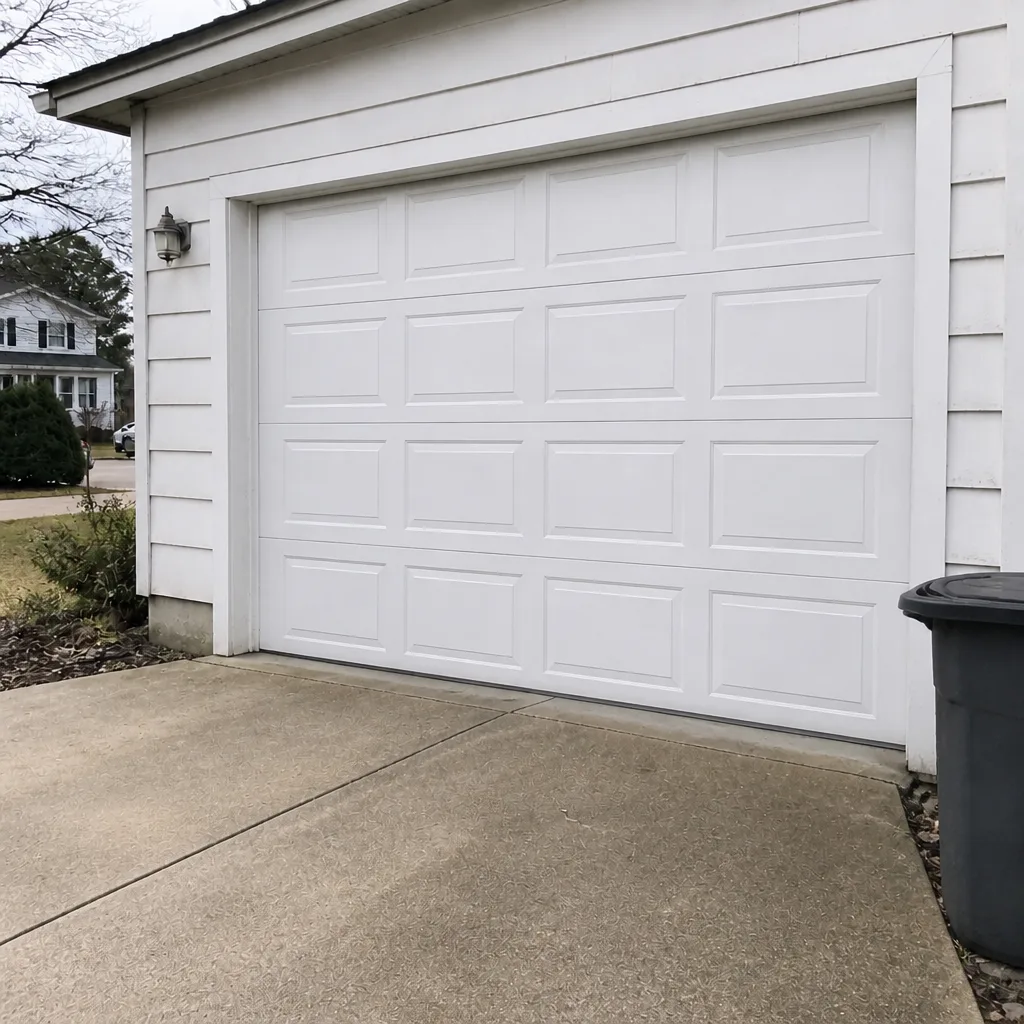 After
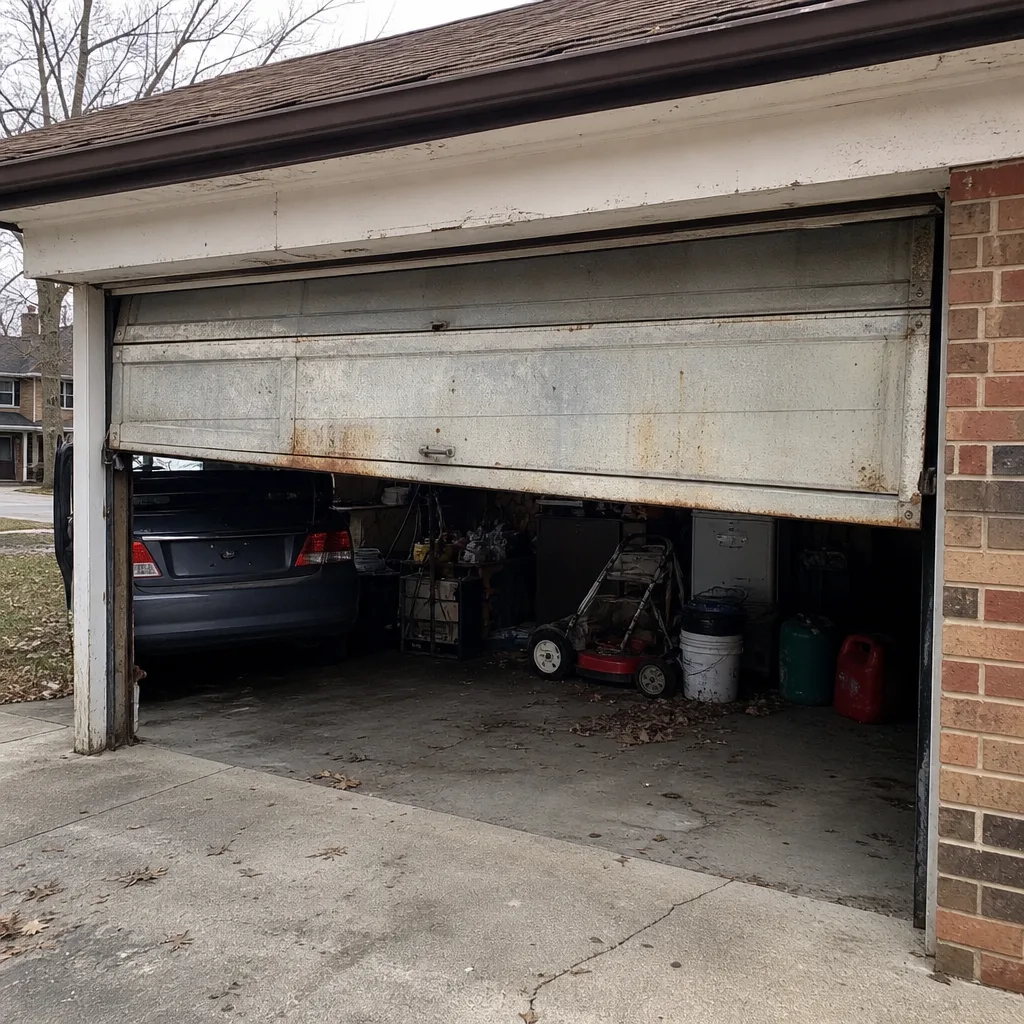 Before
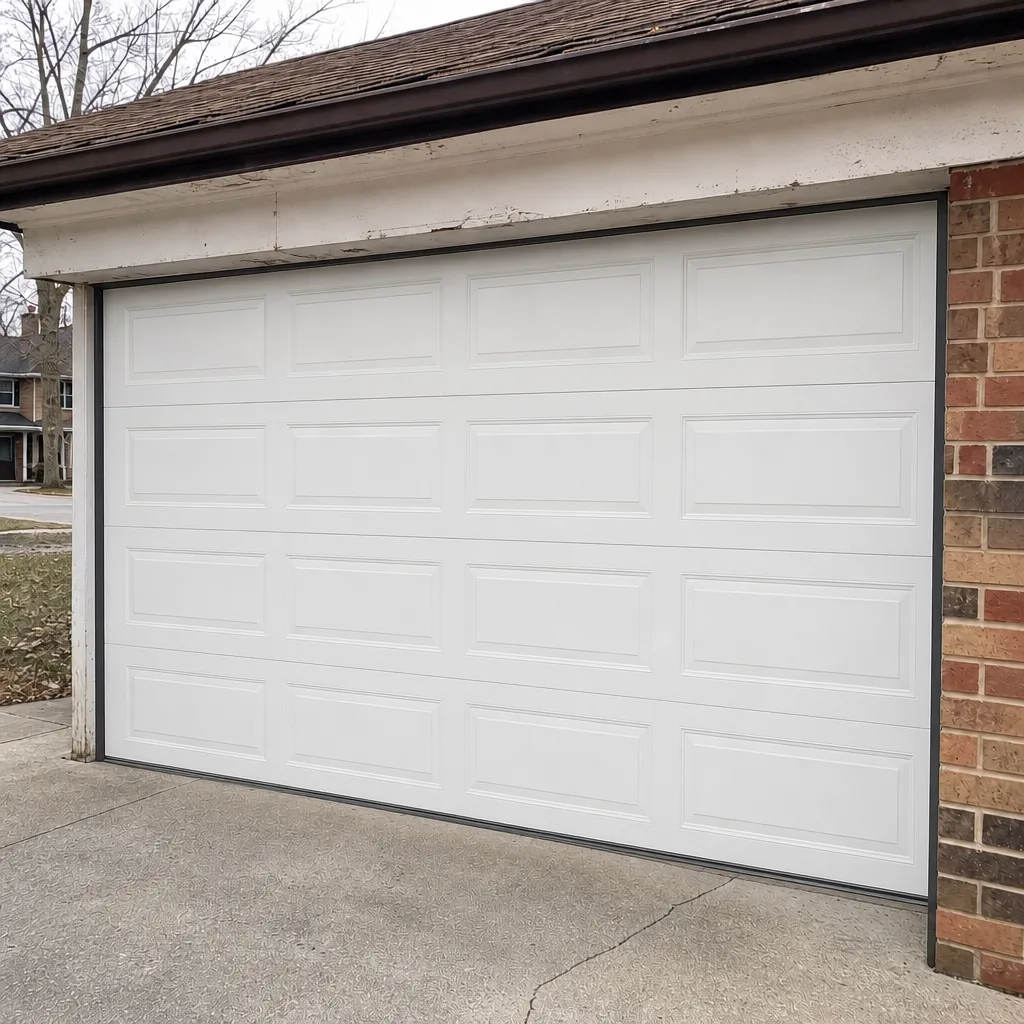 After
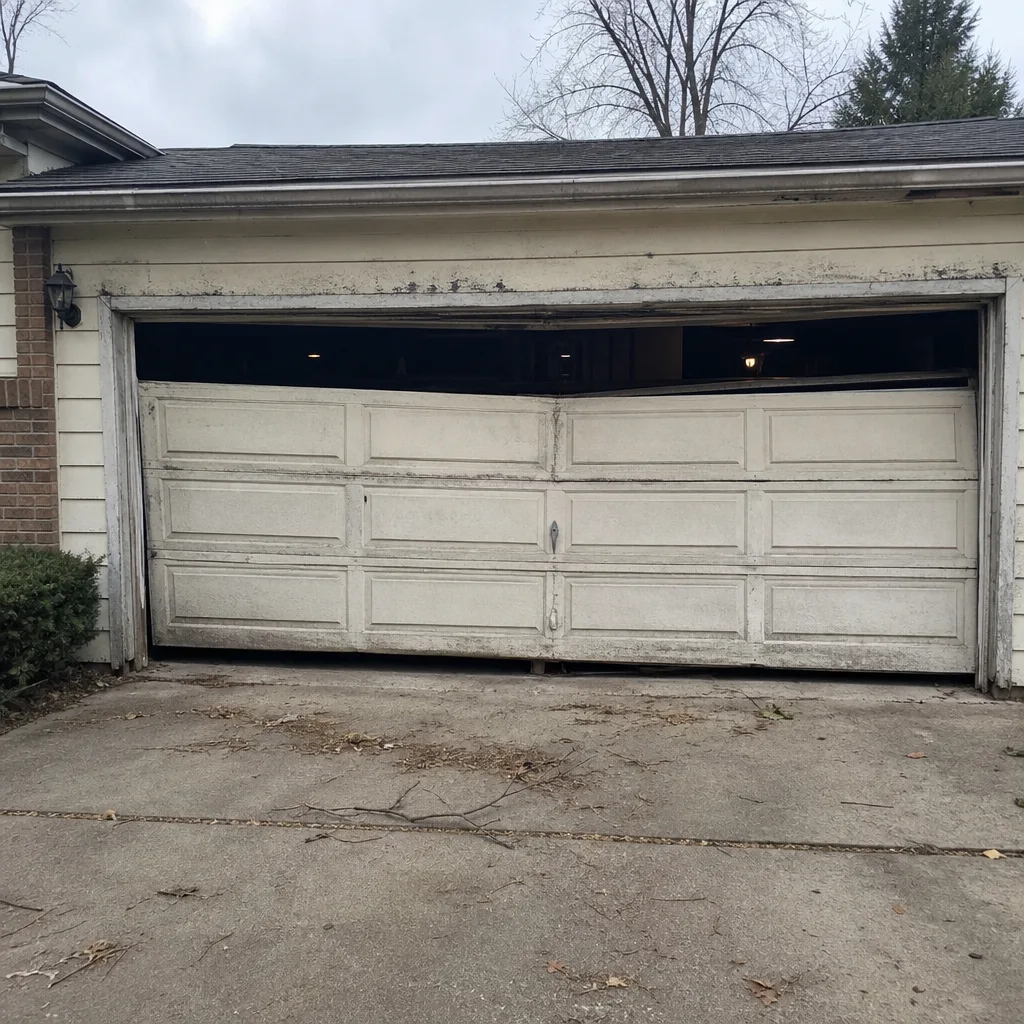 Before
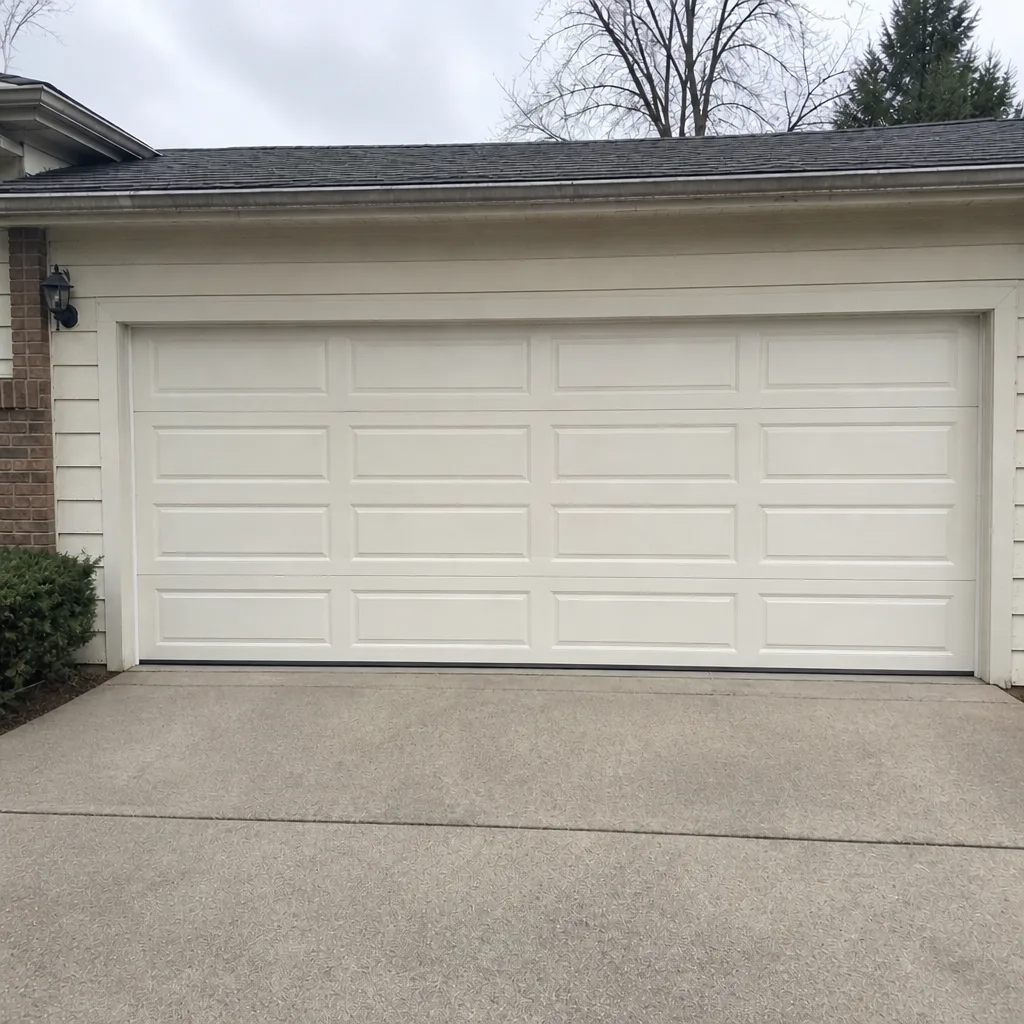 After
When to Call a Professional
Some repairs are worth attempting; springs, cables, and electrical work are not. Call a professional if you hear a loud snap from the garage and the door won’t open, if the door closes too fast or slams down, if you see a visible gap in a spring or a kinked cable, if the opener reverses the door unexpectedly, or if the door hangs crooked. We also recommend a call for track realignment and opener diagnostics, since both are more involved than they look and misdiagnosis costs more than the original repair. Westwood Garage Door Repair Pros offers free estimates in Westwood – call (855) 337-1660. We answer 24/7. Fast dispatch from 7am to 7pm, Sunday through Friday. Our technicians have up to 11 years of experience, and we work on the brand you already have, with parts sourced to match.
If you’re not sure whether it’s a repair or a replacement, the estimate tells you. We quote the price in writing before any work starts, so you can make the call with clear numbers. For urgent failures, our garage door repair service and garage door opener repair handle both the door system and the opener under one call, and our garage door installation service covers full replacement when repair stops making sense.
Frequently Asked Questions
Spring repair typically runs $180-$340 for one spring, and a matched pair costs about twice that since both are replaced together. The written estimate sets the final price. Call (855) 337-1660 for an exact quote – estimates are free.
Yes, same-day service is available for repair and emergency calls when a door fails and can’t wait. For installation, the work is measured and scheduled rather than done same-day. Call (855) 337-1660; we answer 24/7 with fast dispatch from 7am to 7pm, Sunday through Friday.
No – the estimate is quoted and agreed before any work starts, and the written estimate sets the price. If a technician finds something unexpected, we explain it and get your approval before doing anything extra. Call (855) 337-1660 for a free estimate.
The local pro we connect you with is licensed and insured as the state requires. Our technicians have up to 11 years of experience, and we’re factory-familiar with eight major brands including LiftMaster, Chamberlain, Clopay, and Amarr. Call (855) 337-1660 to book.
The freeze-thaw cycle stresses the springs, bottom seals, and track alignment harder than in milder climates, so failures cluster in the colder months. An early-fall inspection catches most of them before they break. Call (855) 337-1660 to schedule one.
Most openers last 10 to 15 years, but the motor often outlasts the drive and sensors, so repair is usually worth it before replacement. If the opener, springs, and panels all need work at once, that’s the point to compare repair against a new install. Call (855) 337-1660 for an assessment.
The Bottom Line
Your garage door is a mechanical system, not a mystery. Springs, tracks, rollers, seals, and the opener wear on different schedules, and in Westwood the freeze-thaw season accelerates that wear more than most homeowners realize. A fall inspection, a monthly balance check, and replacing matched springs in pairs keep a small problem from becoming a big one. When repair stops making sense, replacement wins – but the decision comes down to the written estimate, not a guess. One call covers the door and the opener, and we work on the brand you already have, from LiftMaster and Chamberlain to Clopay, Amarr, and Wayne Dalton.
If your door is making noise, sticking, or not lifting like it used to, the fastest way to an answer is a call. Contact Westwood Garage Door Repair Pros at (855) 337-1660 for a free estimate. We answer 24/7. Fast dispatch from 7am to 7pm, Sunday through Friday, with same-day repair when a door fails and can’t wait. The price is quoted and agreed before any work starts, so you know the number before the job begins.
Written by the team at Westwood Garage Door Repair Pros.