
Last updated November 20, 2026
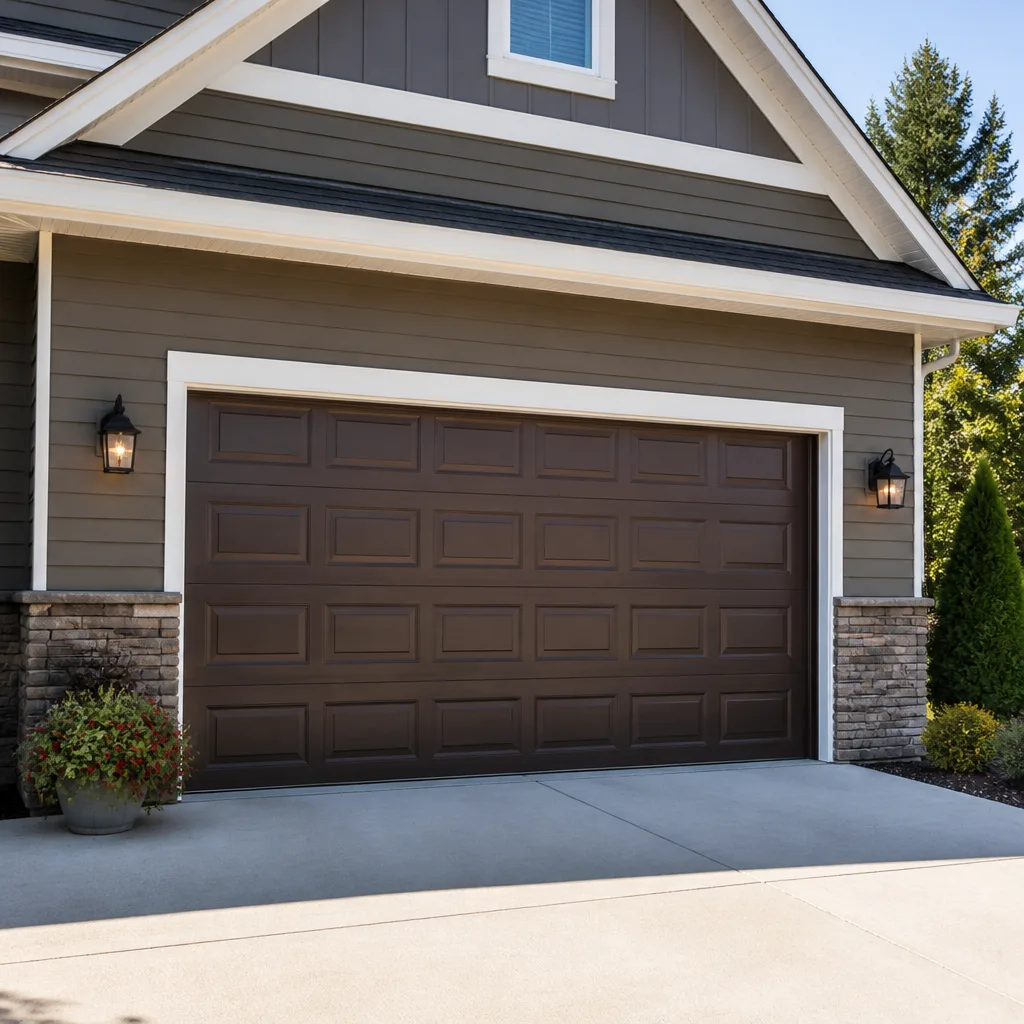 Raised-panel steel
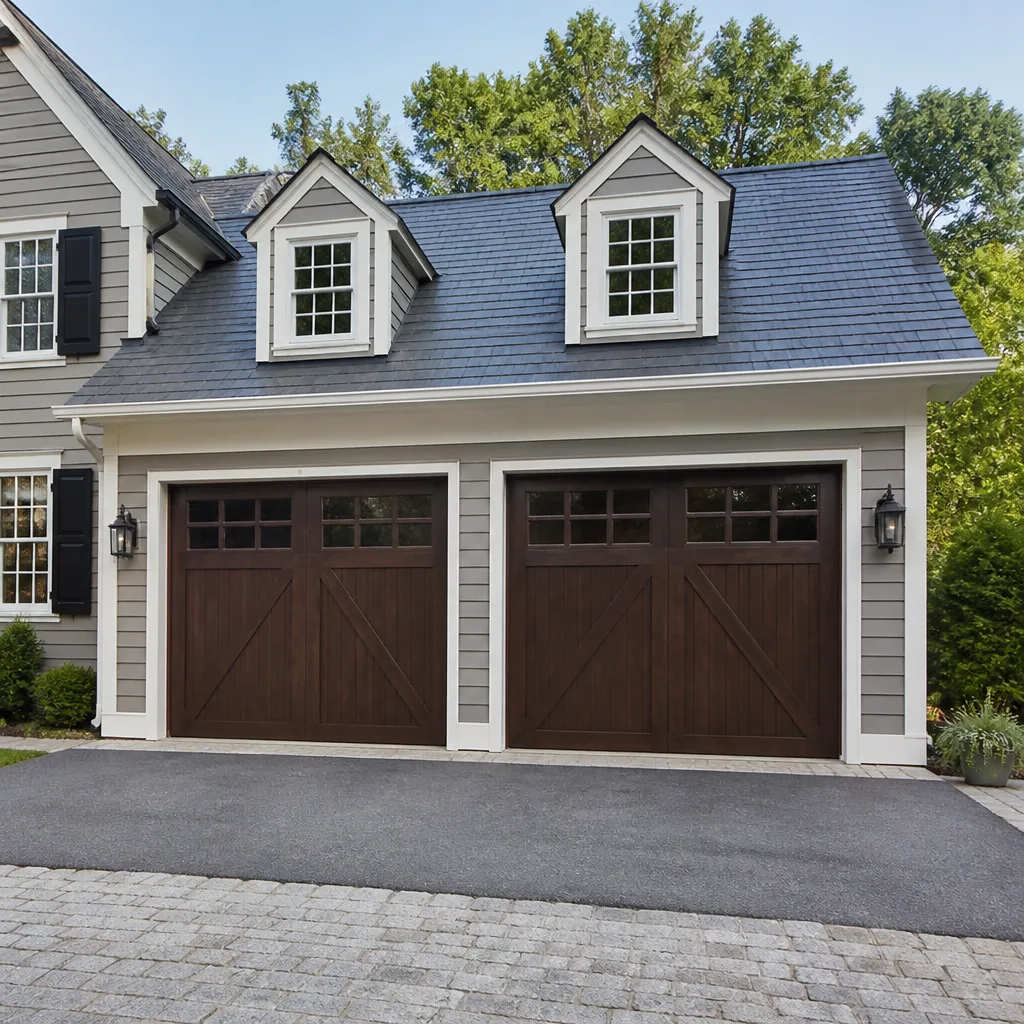 Carriage house
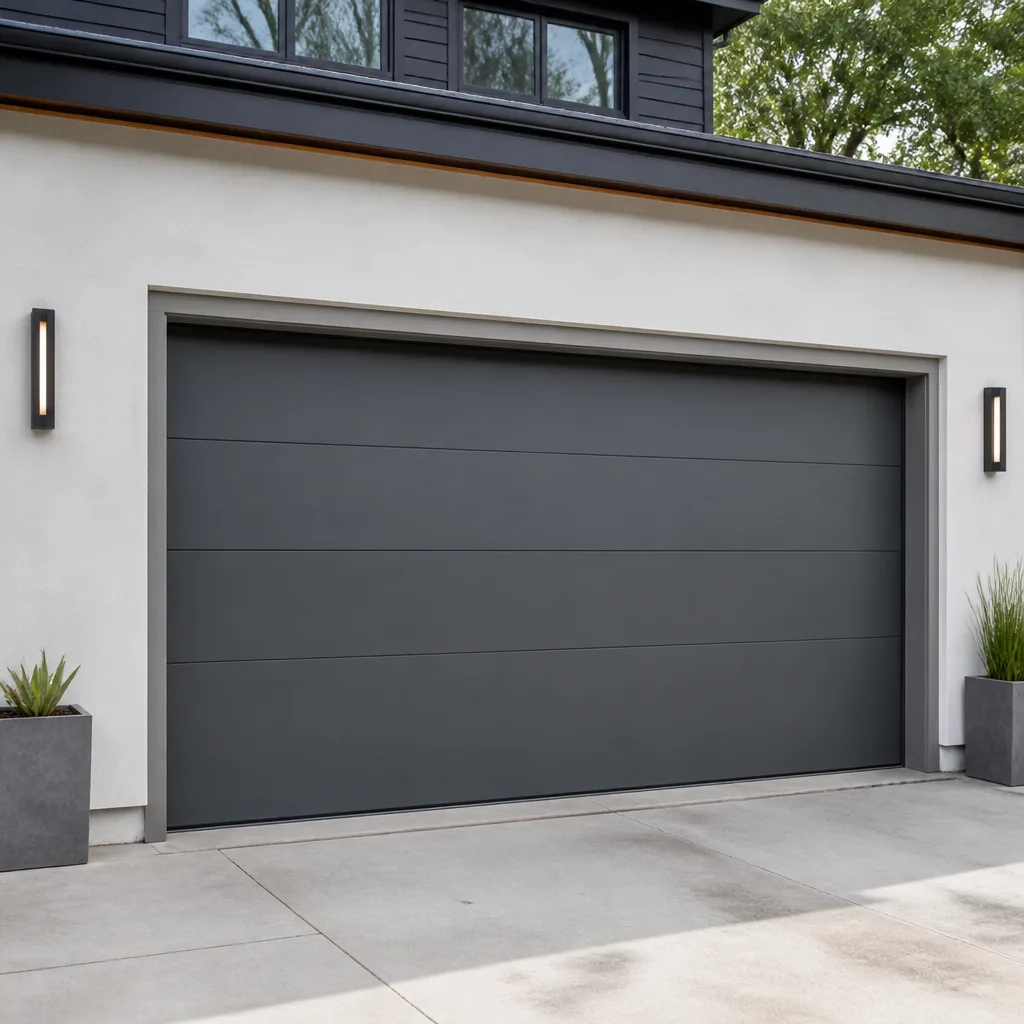 Modern flush
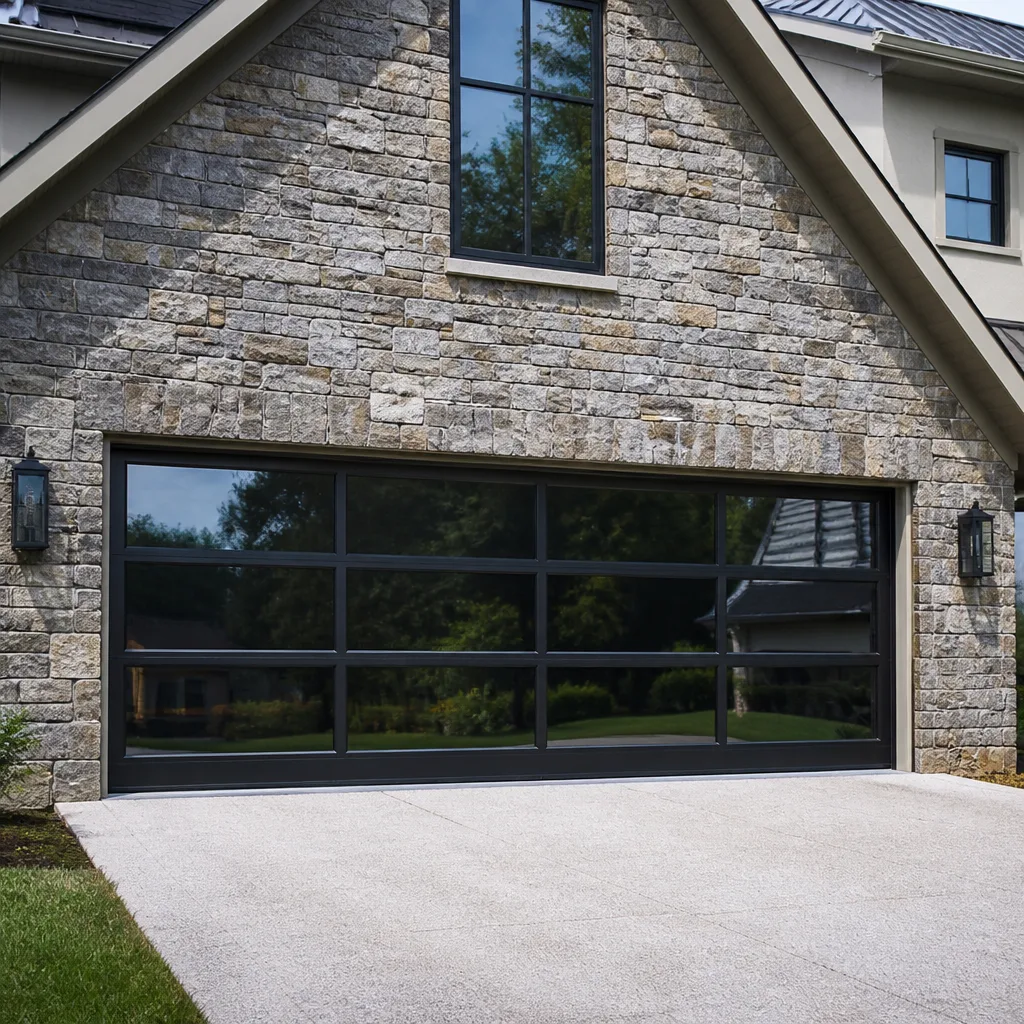 Full-view glass
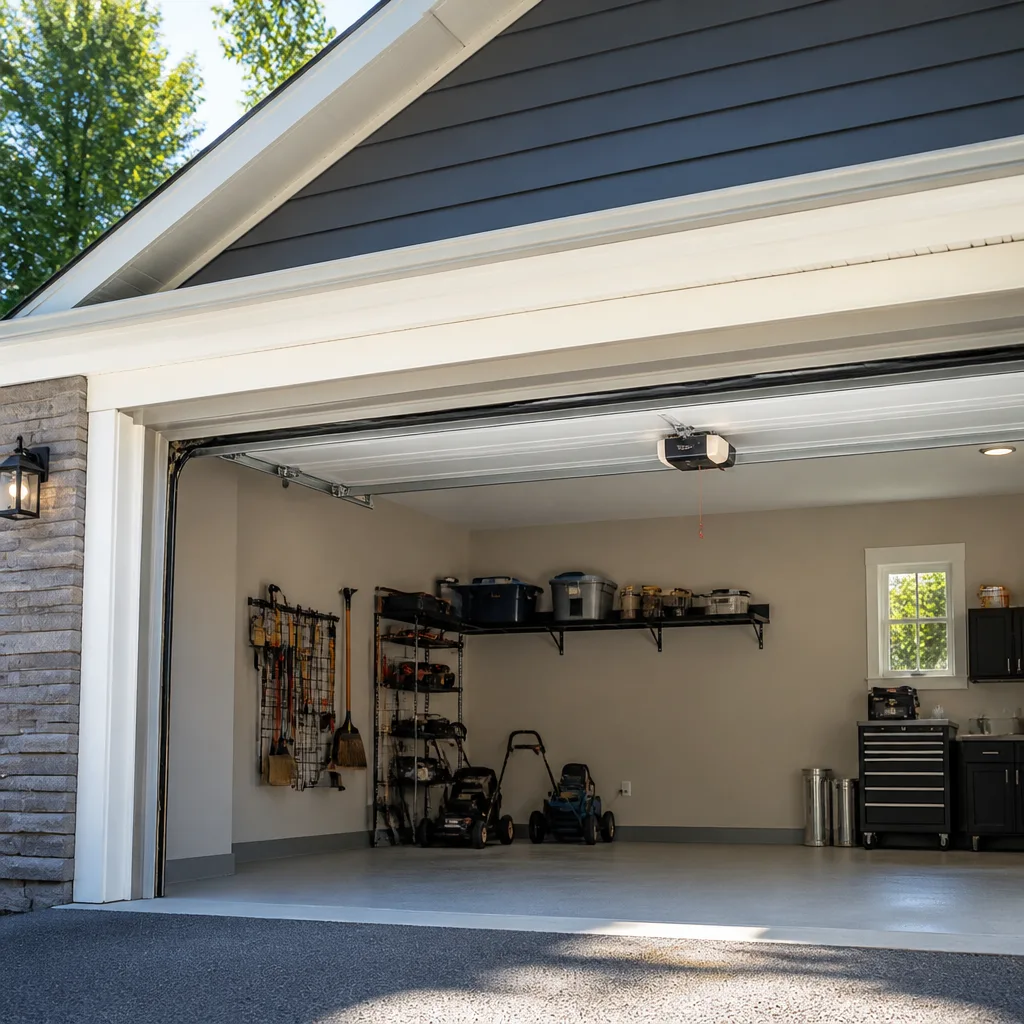 LiftMaster openers
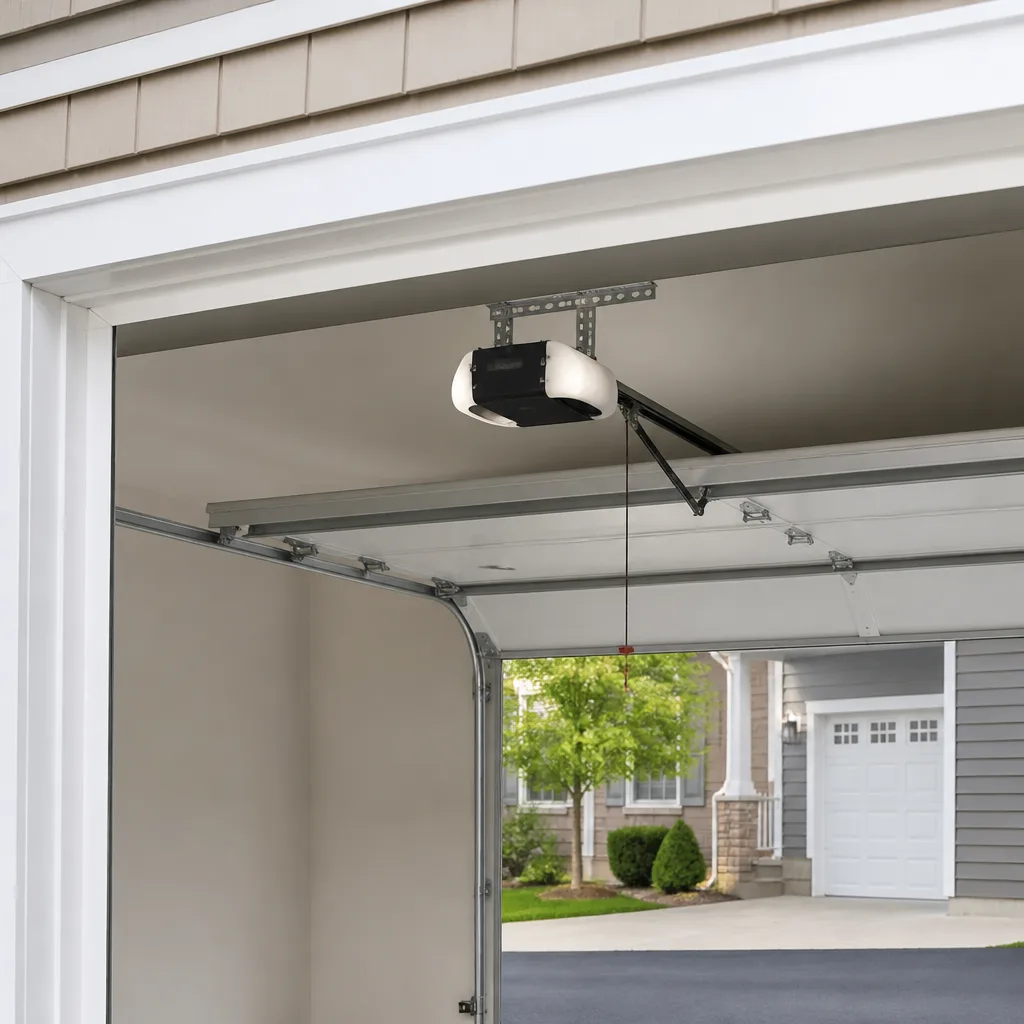 Chamberlain openers
Full 25-point door and opener safety check with every visit - springs, cables, rollers, tracks, and your LiftMaster or Chamberlain opener included
You get a price before we start. It does not change when the pro arrives.
Get your free estimateGarage Door Permits, Codes & Inspections in Westwood, OH: What You Need to Know
The counterintuitive part about garage door permits in Westwood isn’t the paperwork. It’s what happens years after the work is done. A door replacement that never got a permit can sit quietly on your house for a decade and then surface during a buyer’s inspection or a title search, at exactly the moment you have the least leverage to fix it. Most insurers won’t raise the subject until after a claim, either. This guide lays out when Ohio’s residential code actually requires a permit for garage door work, who issues and inspects it here, what wind load and R-value mean for a new door, and how to spot unpermitted work before it becomes someone else’s problem.
Quick Answer
In Westwood, OH, replacing a garage door with a new door usually requires a permit; repairing or tuning an existing door usually does not; and installing or replacing an opener generally doesn’t require a permit on its own. The exact trigger depends on how much structural, framing or opening work is involved, so the reliable move is to call the City of Westwood’s building department before you order a door and to confirm which jurisdiction issues the permit and inspects the finished job.
Styles & brands we work with
- Raised-panel steel
- Carriage house
- Modern flush
- Full-view glass
- LiftMaster openers
- Chamberlain openers
Table of Contents
- Repair vs. Replacement vs. Opener: What Ohio’s Residential Code Actually Triggers
- Who Issues the Permit and Who Inspects the Work in Westwood?
- Wind Load and R-Value: What Your New Door Has to Meet
- What the Garage Door Inspection Actually Looks Like
- How Unpermitted Work Shows Up at Resale and What It Costs to Fix
- Working With a Garage Door Contractor in Westwood
- A Pre-Purchase Permit Checklist for Westwood Homeowners
Repair vs. Replacement vs. Opener: What Ohio’s Residential Code Actually Triggers
The confusion starts because “garage door work” means at least four different things to a code official, and they don’t all fall under the same rule.
Replacing the whole door is the most common permit trigger. A full replacement changes the opening’s rating for wind, and in many jurisdictions it’s treated as an alteration to the building envelope. That’s usually enough to require a permit and an inspection. If the new door is a different size or weight, or the framing changes, expect a permit regardless of who’s doing the work.
Repairing an existing door – new springs, cables, rollers, hinges, or a section swapped out – is normally classified as maintenance. No permit, no inspection, and that’s true across most of Hamilton County. The door stays in its original opening and the structure doesn’t change.
Opener installation or replacement almost never triggers a permit on its own. An opener is a mechanical appliance; swapping a LiftMaster, Chamberlain or Craftsman unit for a newer one doesn’t change the building. Where people get caught is bundling opener work with a door replacement and assuming the whole package is exempt.
Track and header changes sit in a gray zone. Bending or re-anchoring a track after a door jumps is usually a repair. Cutting a header, enlarging the opening, or reframing around it is structural and will need a permit.
Two doors out of three in a typical Westwood block are at least a decade old, so it’s common to find that the last replacement was done by the previous owner, sometimes without a permit. It’s worth knowing which category your job falls into before you place an order. If you’re replacing rather than repairing, see our garage door installation page for the step-by-step, and if you’re just fixing what’s already there, the garage door repair route is usually the simpler path.
- Full door replacement: usually needs a permit.
- New spring, panel, or roller: usually doesn’t.
- Opener swap: usually doesn’t.
- Header or framing change: typically needs a permit and possibly engineered drawings.
Who Issues the Permit and Who Inspects the Work in Westwood?
Here’s where Westwood homeowners routinely go wrong: they call the county, get told “that’s not us,” and walk away thinking the work doesn’t need a permit at all. It usually just needs the right office.
Garage door permits are typically issued by the building department of the city or township where the property sits, and the inspection is performed by that same jurisdiction’s inspectors. For many neighborhoods in and around Westwood, that means the City of Westwood itself. Some unincorporated areas and older parcels fall under Hamilton County. If you’re ever unsure which one applies, the safest way to find out is to call the City of Westwood building department with your property address and describe the job in one sentence: “I’m replacing my garage door with a like-sized new door.” They’ll tell you in a few minutes whether a permit is required and who issues it.
What we’ve noticed, working in Westwood, is that the answer often changes based on how the job is described. If you say “replacing the door,” you’ll get a permit requirement. If you say “fixing the door,” you may get told no permit is needed. Both answers are correct – they’re responses to different questions. Be specific about what’s being removed and what’s going in. It saves everyone a return phone call.
Whoever does the work, the permit and the inspection follow the property, not the contractor. If your door replacement required a permit and one was pulled, the inspector signs off and the property record reflects it. That record is what protects you at resale.
Wind Load and R-Value: What Your New Door Has to Meet
Two numbers matter on any new garage door in Ohio, and neither of them is in the sales brochure in useful form. Wind load is the rating for how much pressure the door can withstand. R-value is the insulating performance of the door panel. A new door has to be appropriate to your opening and your construction, and a permit inspection is where the two are checked.
Wind load ratings are typically printed on the door’s label or in the manufacturer’s spec sheet, and they’re assigned by the manufacturer based on the door’s size, reinforcement, and hardware. A wide single door with the same panel as a narrow one may carry a different rating. When you’re pricing a door for a Westwood property, ask the supplier for the wind load rating in writing and compare it to what the inspector expects. If you can’t find the figure on the spec sheet, ask for it before you sign.
R-value is the insulation disclosure, typically printed in the door’s documentation and stamped on the panel’s edge or sticker. It’s an insulation figure for the panel itself and it’s expressed differently than a wall assembly rating, so don’t compare the two directly. For an attached garage next to living space, a higher R-value door is the practical choice; for a detached garage, insulation matters less.
Here’s how to verify a door before you buy it:
- Ask the supplier for the manufacturer’s spec sheet, not the sales sheet.
- Find the wind load rating and confirm it matches your opening’s size and construction.
- Locate the R-value disclosure if insulation matters for your garage.
- Match any hardware – hinges, rollers, struts – to the rating the manufacturer lists for the door.
- Keep the spec sheet with your permit file, since the inspector may ask for it.
We work with doors from Clopay, Amarr, Wayne Dalton and Raynor, and the spec sheet is standard across all of them. If a supplier can’t produce one, that’s a signal. On any opener you pair with the new door, LiftMaster and Chamberlain publish their own specs too, and our garage door opener repair page covers what happens when the drive system and the door weight don’t match.
What the Garage Door Inspection Actually Looks Like
If the inspection is the part that worries you, the reality is usually calmer than the imagination. An inspection for a residential garage door replacement generally happens after the door and hardware are installed and after the opener – if it’s new – is mounted and tested. It typically takes half an hour to an hour on site.
The inspector usually checks:
- That the installed door matches the permitted size and type, and the label or spec sheet supports the wind load rating.
- That the track and anchors are properly fastened into the framing, not just the drywall.
- That the door is balanced and opens and closes smoothly through its full travel.
- That the torsion or extension springs are the correct size for the door’s weight.
- That the safety reverse is functioning: the door reverses when it contacts an object and closes under proper pressure.
- That the photo-eye sensors on the opener are mounted and working, if the opener is new.
- That the door clears the opening, and the gap around the sides and header is within tolerance.
- That any add-on hardware (struts, hinges) is installed to the manufacturer’s specification.
The permit cost itself is set by the city and depends on the job’s valuation, and the inspection is normally included in that permit fee rather than billed separately. The contractor typically handles the permit pull and the inspection scheduling; if you’re doing the work yourself, you’ll handle both. Timing usually runs a few days from request to visit, though it varies with the city’s schedule.
If something fails, it’s usually a small issue – a sensor not aligned, or a door that’s binding on one corner – and the inspector returns for a re-check after it’s corrected. Keep the paper trail. When a future buyer asks for permit records, that sign-off is the answer.
How Unpermitted Work Shows Up at Resale and What It Costs to Remediate
The problem with unpermitted garage door work isn’t that it’s dangerous, most of the time. It’s that it becomes visible at exactly the wrong moment.
The first place it tends to surface is a real estate inspection. A trained inspector can usually tell a new door from an old one by the label, the panel style, and the hardware. When the door on the property doesn’t match any permit record, the buyer’s agent starts asking questions. That alone can stall a closing.
The second place it surfaces is the title search or a municipal record check. Some jurisdictions flag unpermitted work during a resale; others only do so if a buyer or their attorney asks. But if the buyer is financing the purchase, the lender may require the paperwork, and a missing permit becomes a condition of the loan.
Remediating it after the fact usually means one of three paths:
- Pull a permit after the fact – some cities allow this – and pay a late-pull fee plus the regular permit fee, then pass the inspection.
- Remove and reinstall the door to the permitted specification, then inspect.
- Offer the buyer a credit and let them take on the risk, which never sells for what it costs.
None of those are cheap compared to pulling the permit up front. The remediation cost is the permit fee, plus the labor to bring the install up to code, plus the delay. That’s the real number. Most of the time, the cost of doing it right the first time is the permit fee and a slightly longer timeline. There’s no reason to skip it.
If you’re in Westwood and wondering whether the door you inherited was permitted, the City of Westwood building department can usually tell you over the phone by address, and our garage door installation services page covers what a properly permitted replacement looks like from the inside out.
Working With a Garage Door Contractor in Westwood
When you hire someone to replace a door in Westwood, the contractor’s job is to know the permit rules as they apply to your address – not to ask you to figure it out. A few things separate a contractor who handles permits properly from one who leaves the paperwork to you.
Ask three questions before you book the job:
- “Will the permit be pulled before the door is ordered or after?” Before. A permit tied to a specific door spec is what you want, because the inspector checks against that spec.
- “Who schedules the inspection and who’s on site for it?” The contractor should schedule it and be present. If they tell you to handle it, that’s a flag.
- “What paperwork do I get at the end?” You should get the approved permit and the inspection sign-off, plus the door’s spec sheet.
One call covers the door and the opener, and that matters for permits because the inspection can look at both. We work on the brands most Westwood homeowners already have – LiftMaster, Chamberlain, Genie, Craftsman, Clopay, Amarr, Wayne Dalton and Raynor – so we’re not passing a permit problem from one contractor to another. Springs are the most dangerous part of any garage door, and the inspection verifies the springs match the door weight. That’s a check we want done, too.
Our technicians have up to 11 years of experience, and we’ve seen what a skipped permit costs a homeowner when a sale is on the table. It’s the kind of problem that’s easy to avoid and hard to unwind. For schedule and free-estimate questions, call (855) 337-1660. We answer 24/7. Fast dispatch from 7am to 7pm, Sunday through Friday.
A Pre-Purchase Permit Checklist for Westwood Homeowners
Before you order a door in Westwood, walk through this in order. It takes about 20 minutes on the phone and it saves the worst-case scenario down the line.
- Confirm your jurisdiction. Call the City of Westwood building department with your address and job description. Ask specifically whether a permit is required and which office issues it.
- Confirm what’s changing. Same size door in the same opening is one case. Different size, different header, or added framing is another. Describe it accurately.
- Get the spec sheet. Ask the door supplier for the manufacturer’s wind load and R-value documentation, in writing, before you sign the order.
- Pull the permit before the door is ordered. The permit locks in the door spec. If the door changes after the permit is issued, the permit may need to be revised.
- Plan for the inspection. Schedule it after the door and any new opener are installed and tested. Allow a few days.
- Keep every document. Permit, inspection sign-off, spec sheet, and the final invoice. Store them with your home records.
- If you’re selling, check before you list. Ask the city for permit records for your address, so any surprise comes up while you still have time to fix it.
If you want to skip the paperwork piece entirely, book the work with a contractor who handles it. That’s the whole point of hiring a specialist rather than a generalist. Our team at Westwood Garage Door Repair Pros handles the permit and inspection on replacements we install in Westwood, and we’ll tell you up front what the city will need.
Common Mistakes to Avoid
- Assuming the opener needs a permit. Swapping an opener usually doesn’t, but bundling opener work with a door replacement does. Ask before you assume either way.
- Ordering the door before pulling the permit. The permit locks in the door spec. Change the door afterward and you’re looking at a revised permit or a re-inspection.
- Calling the county first. If your property sits inside the City of Westwood, the county may not be the issuer. One phone call to the city clears it up.
- Skipping the spec sheet. A new door without documented wind load and R-value is a door the inspector can’t sign off on without a longer conversation.
- Treating a repair like a replacement. Many Westwood jobs – springs, cables, rollers – don’t need a permit at all. Don’t pay for one you don’t need.
- Waiting until sale time to check records. Unpermitted work surfaces during a buyer’s inspection or a title search, when you have the least leverage to fix it.
- Letting a handyman install a door. Spring work is high-tension, and an improperly tensioned spring or an under-rated track won’t pass inspection and isn’t safe to leave alone. The cost of doing it right is lower than the cost of doing it wrong.
See the difference
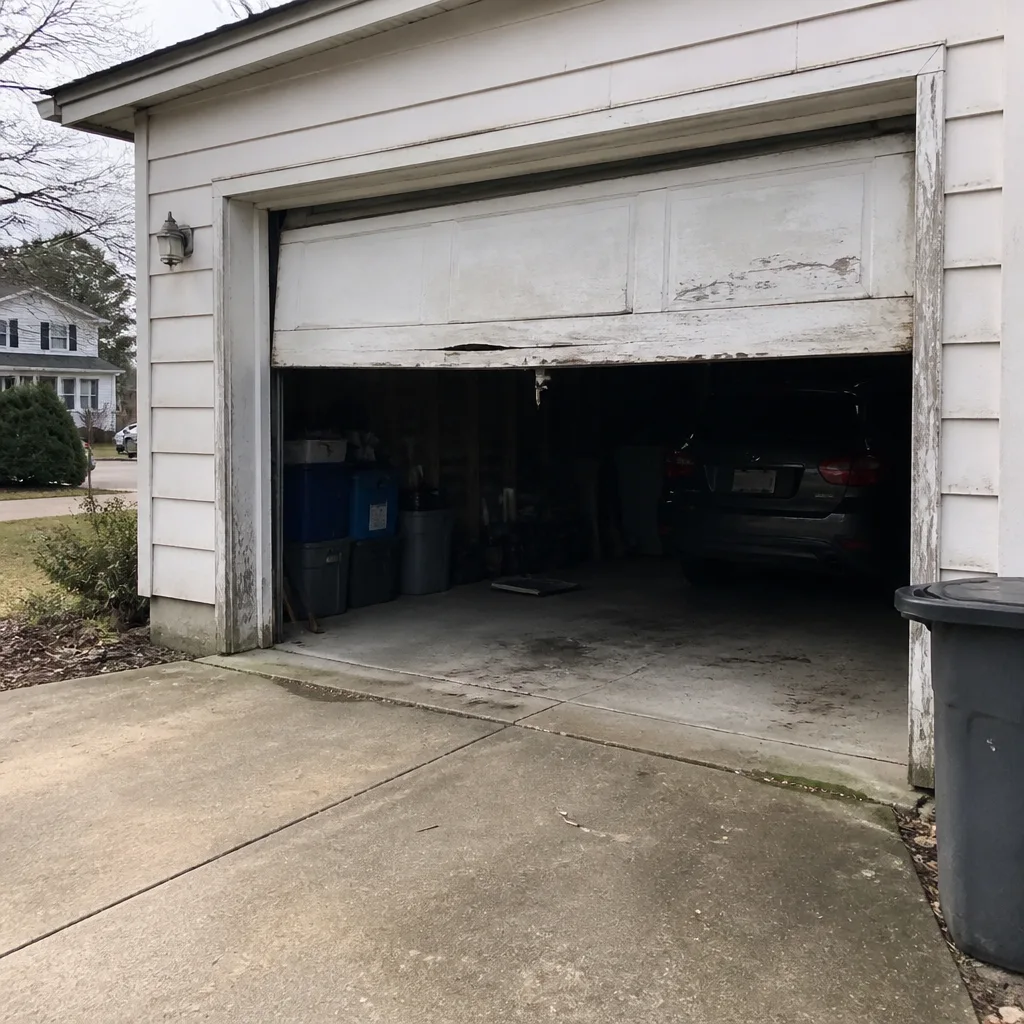 Before
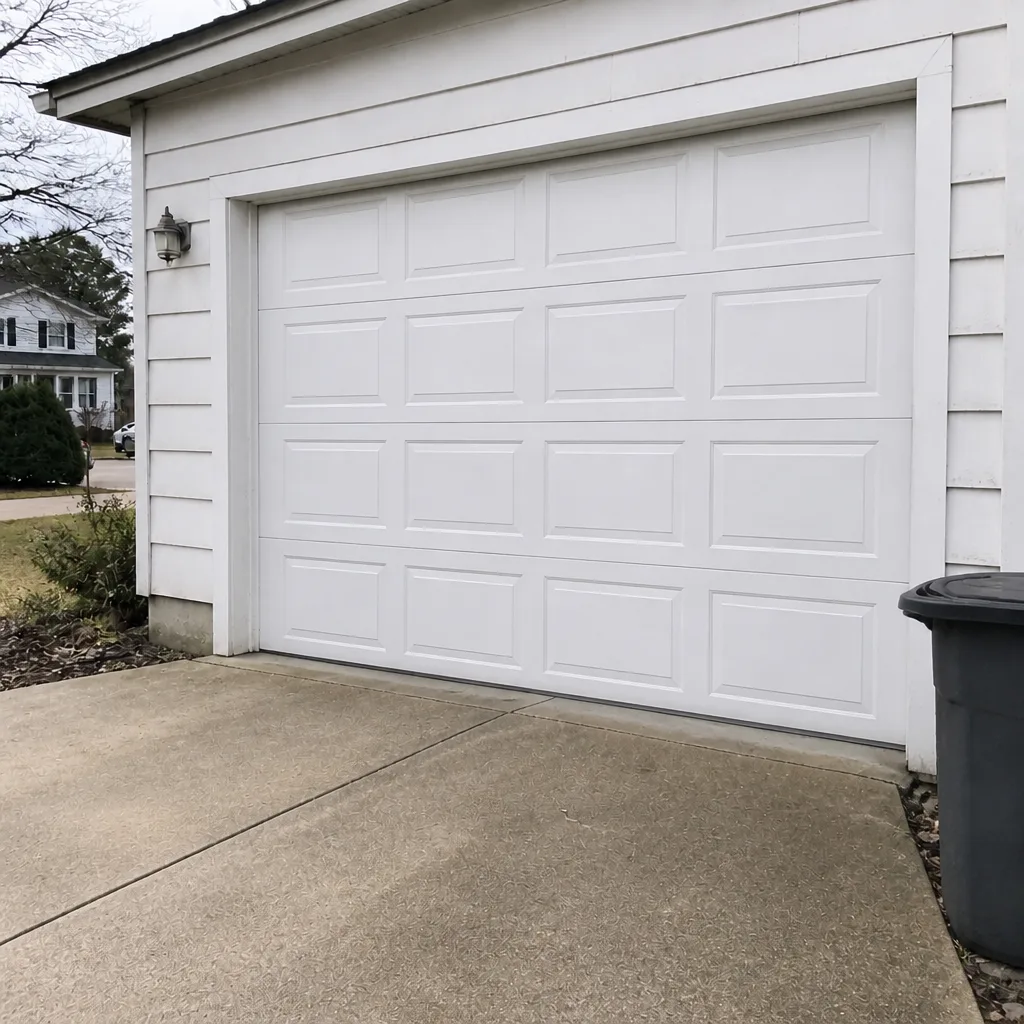 After
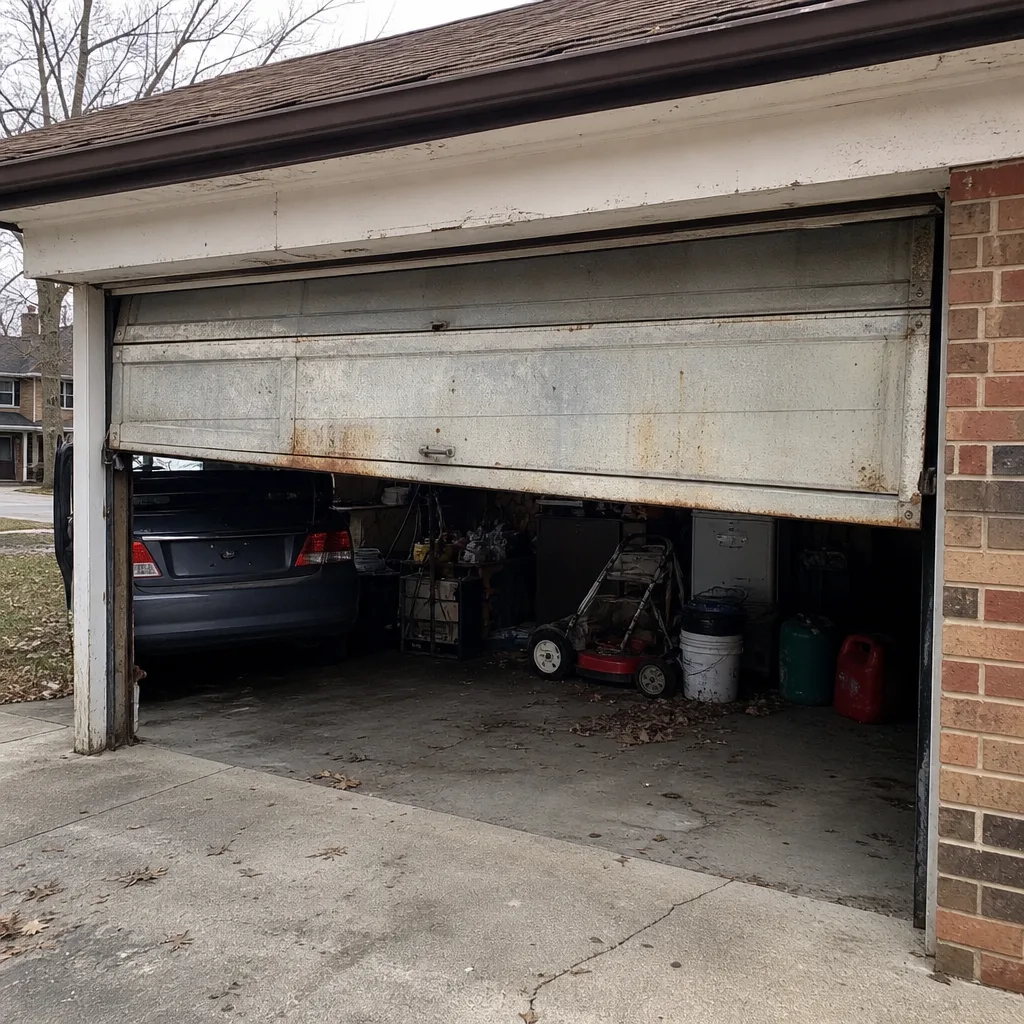 Before
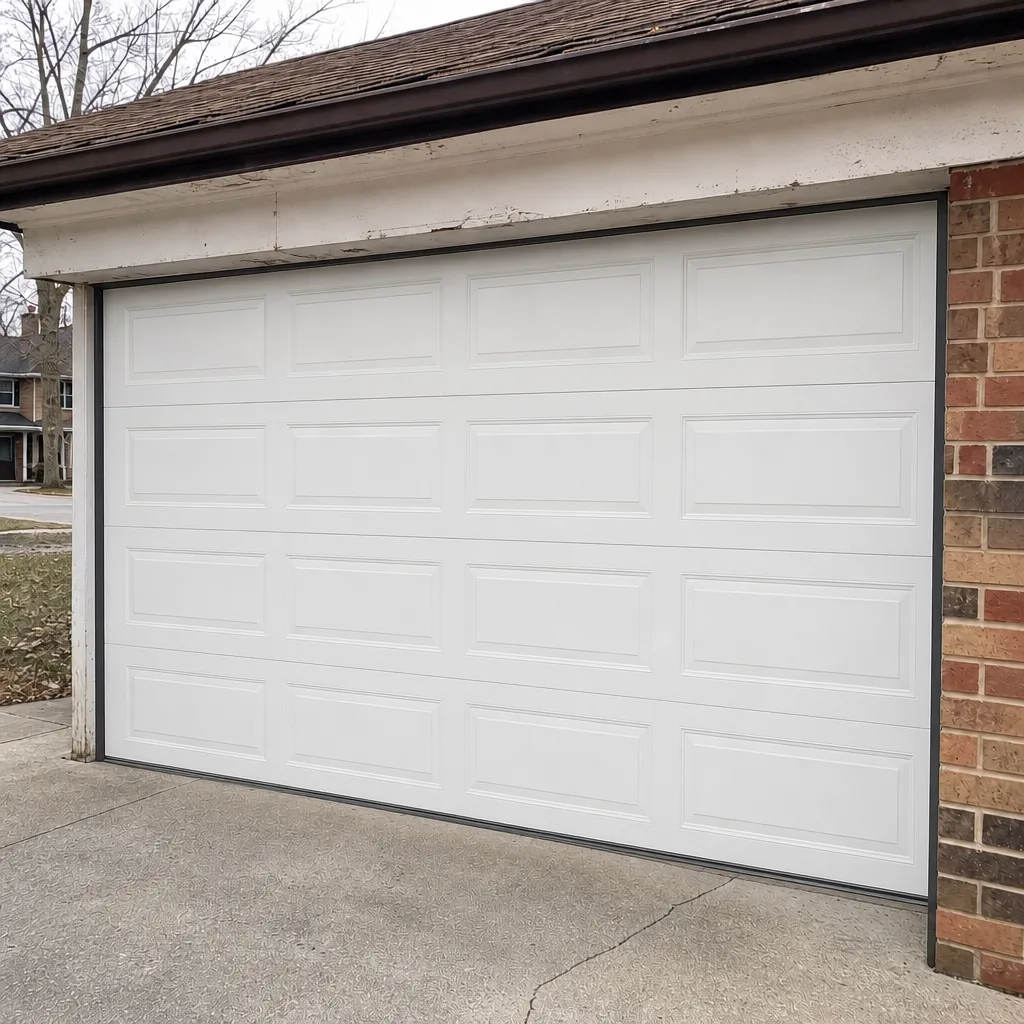 After
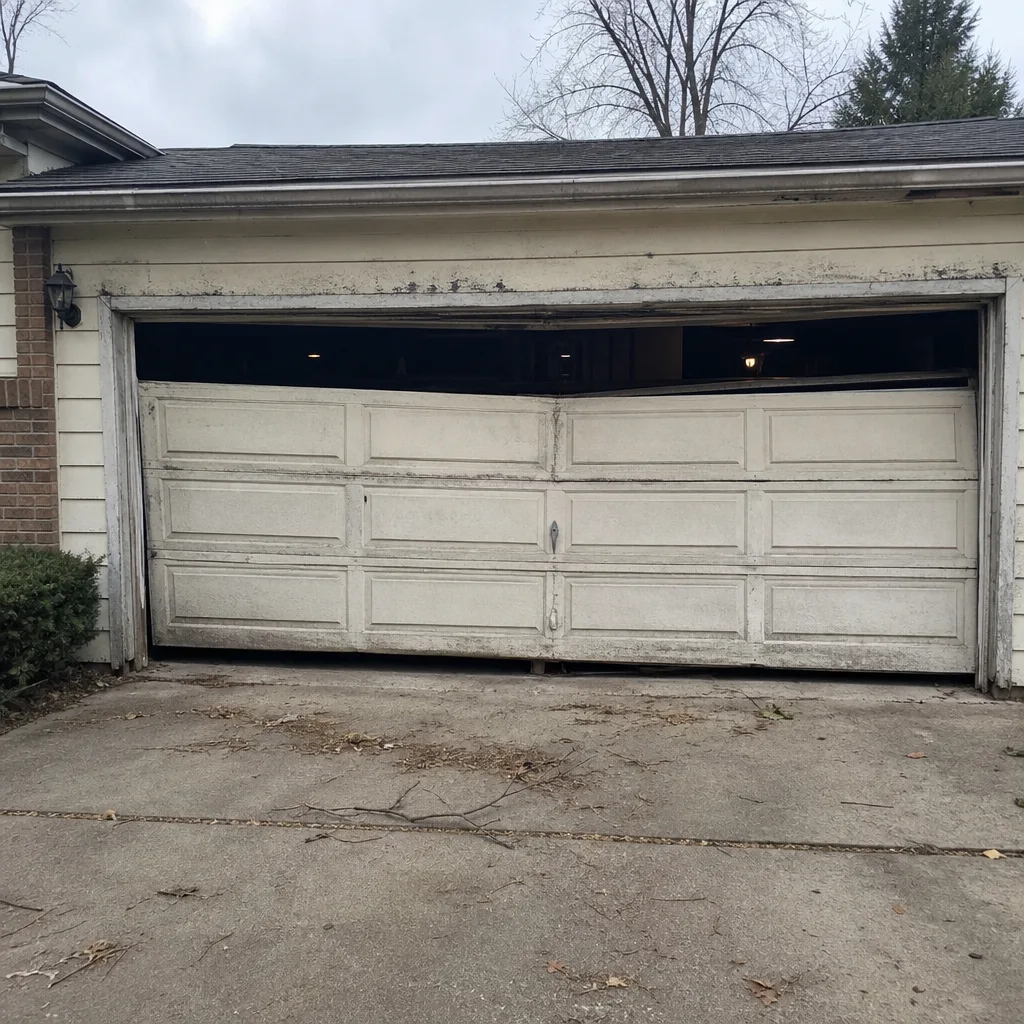 Before
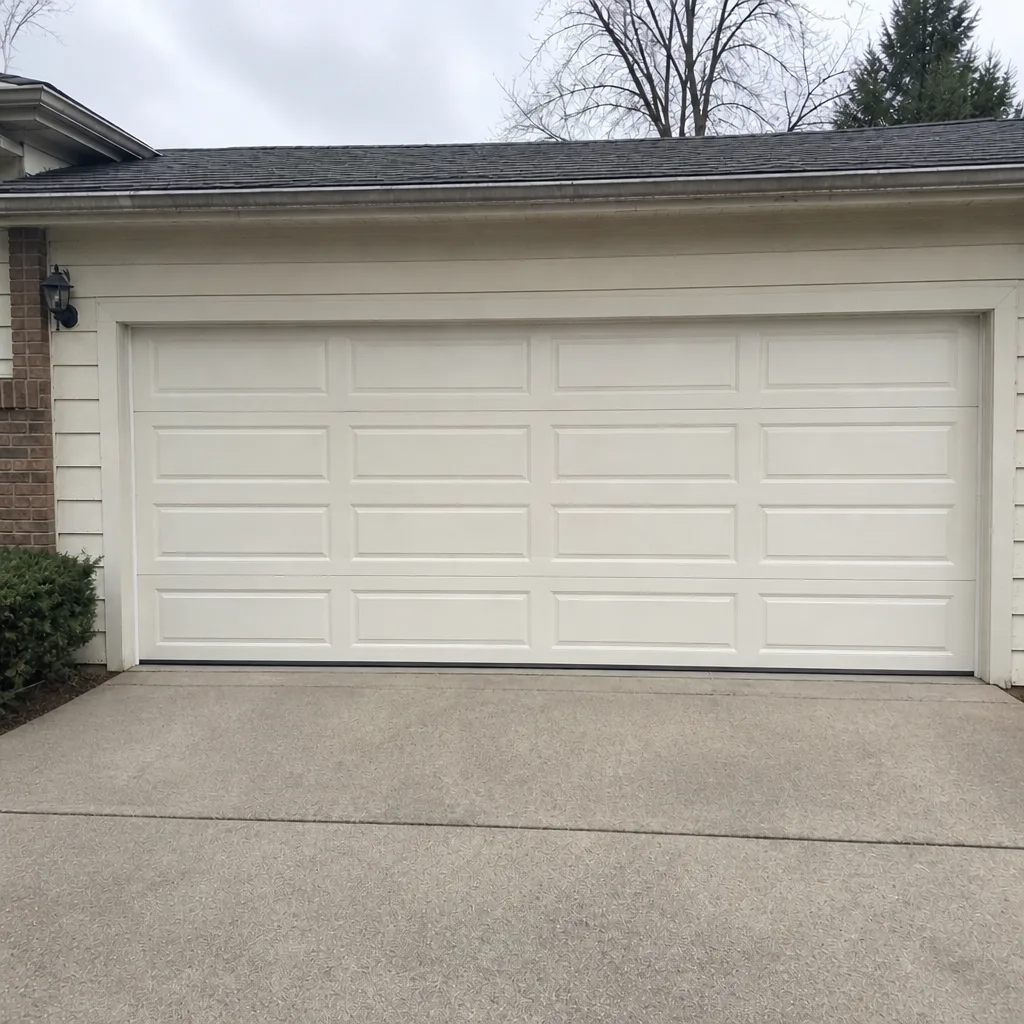 After
When to Call a Professional
Call a professional when the job involves springs, cables, or anything with high tension. Those components store enough energy to seriously injure someone who handles them wrong, and no amount of online instruction substitutes for the right tools and training. Call when the door is off its track, when the door won’t balance, when an opener is failing repeatedly and the drive system might be the cause, or when you’re replacing a door and want the permit and inspection handled without guesswork. Call when you’re selling a Westwood home and want to verify the door was permitted. Westwood Garage Door Repair Pros offers free estimates in Westwood – call (855) 337-1660. We answer 24/7. Fast dispatch from 7am to 7pm, Sunday through Friday.
Frequently Asked Questions
Usually yes. A full garage door replacement is typically treated as an alteration to the building envelope and requires a permit from the City of Westwood’s building department, followed by an inspection. Repairing an existing door often doesn’t need a permit. The only reliable answer is to call the city with your address and a one-sentence description of the job. Call (855) 337-1660 for an exact quote on the work itself – estimates are free.
Generally no. An opener is treated as an appliance, not a structural change, so replacing an opener alone usually doesn’t trigger a permit. It becomes a question if the opener work is bundled with a door replacement, since the door replacement itself may need one. When in doubt, describe the job to the city building department.
It depends on the address. For most properties inside the City of Westwood, the city’s own building inspectors handle the permit and the inspection. Some unincorporated areas and older parcels fall under Hamilton County. Rather than guess, call the City of Westwood building department with your address; they’ll tell you in a minute whether it’s their permit or the county’s.
No. The price is set by the written estimate and agreed before any work starts. We quote after we’ve measured the door, checked the opener, and confirmed the permit requirement for your address. If the scope genuinely changes mid-job – an unusual framing issue, for example – we stop and give you an updated written price before continuing. Call (855) 337-1660 for an exact quote – estimates are free.
Usually yes for repair work. We offer same-day and emergency response for doors that won’t open or close, and we can typically diagnose and repair on the first visit. We answer 24/7. Fast dispatch from 7am to 7pm, Sunday through Friday. A stuck door and an upcoming inspection is the right time to call rather than wait. Call (855) 337-1660 for an exact quote – estimates are free.
Yes. Westwood Garage Door Repair Pros connects you with licensed and insured local professionals, and our own technicians are experienced in residential garage door and opener work, with up to 11 years of experience. Spring work in particular requires specialized training because of the energy stored in torsion and extension systems. If a contractor can’t show you credentials when asked, that’s reason enough to look elsewhere.
The Bottom Line
Garage door permits in Westwood are less complicated than the internet makes them sound, but the stakes are higher than most homeowners realize. The short version: full door replacements usually need a permit; repairs and opener swaps usually don’t; the City of Westwood building department tells you which one applies to your address, and the answer is one phone call away. Get the wind load and R-value documentation before you order, pull the permit before delivery, schedule the inspection after install, and keep every paper. The upfront permit fee and a slightly longer timeline cost far less than unpermitted work surfacing at resale. If you’d rather hand the paperwork and the install to one team, call (855) 337-1660 for a free estimate. We answer 24/7. Fast dispatch from 7am to 7pm, Sunday through Friday.
Written by the team at Westwood Garage Door Repair Pros.