
Last updated November 20, 2026
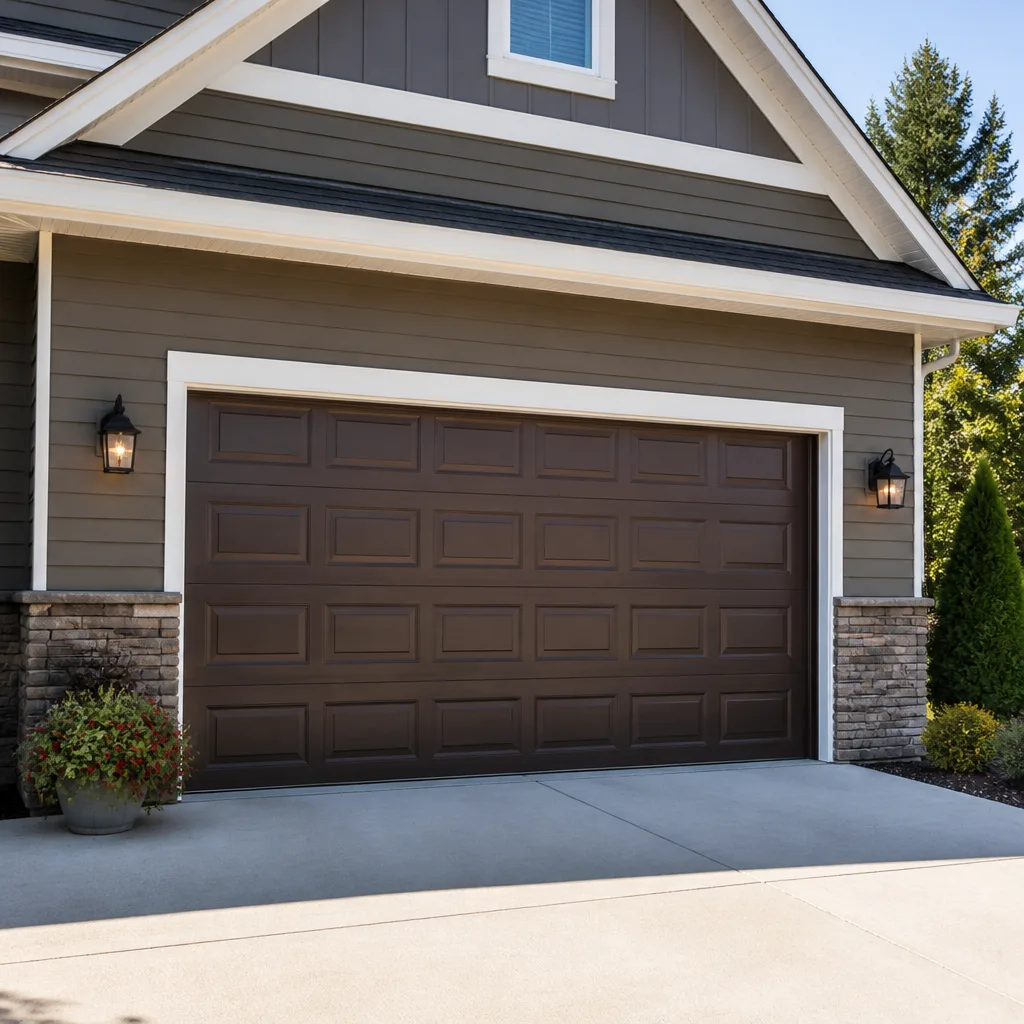 Raised-panel steel
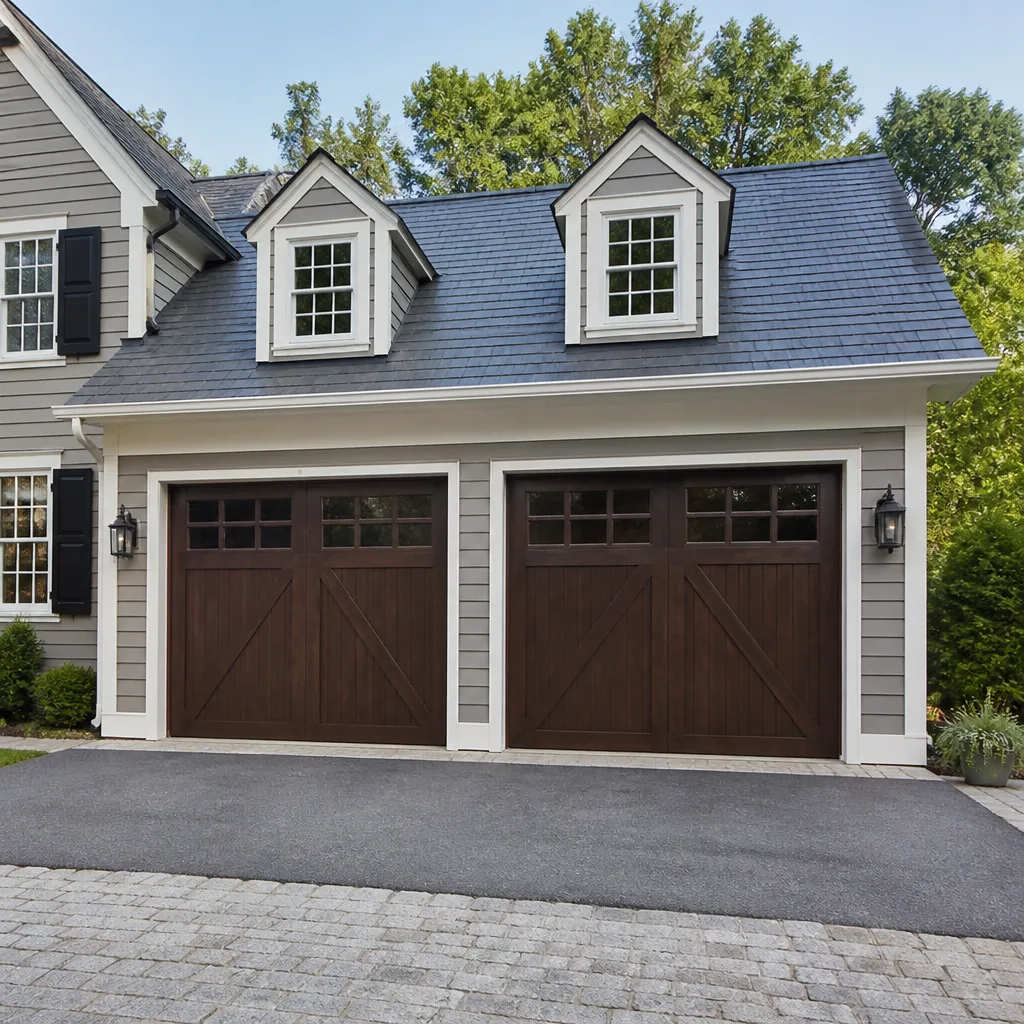 Carriage house
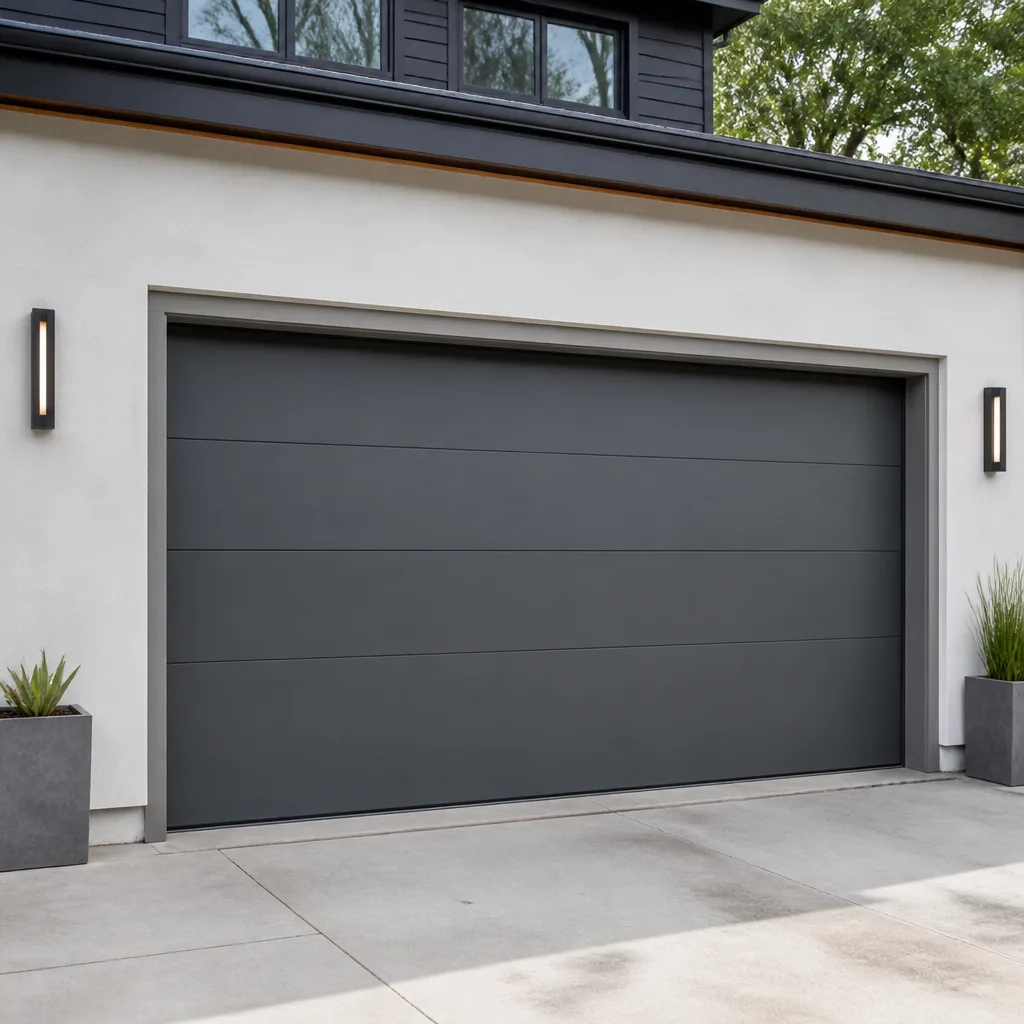 Modern flush
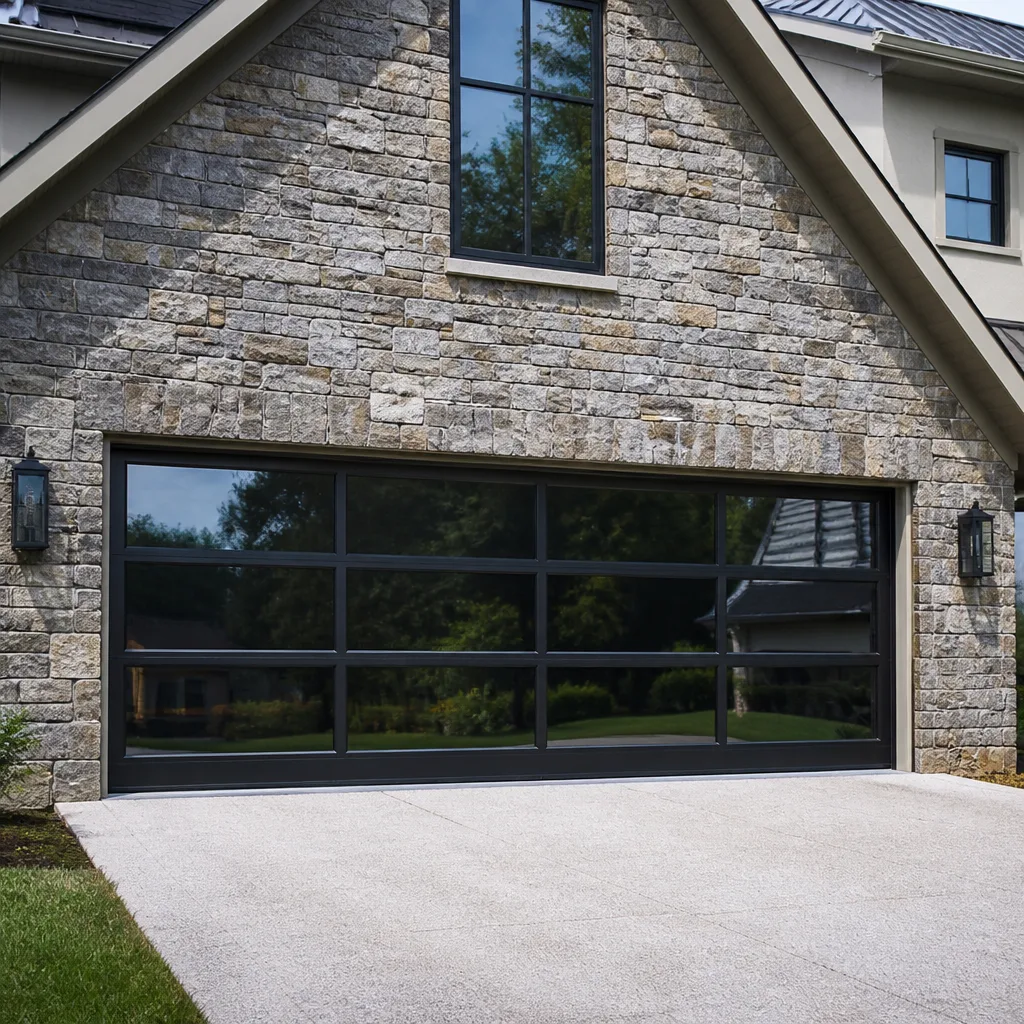 Full-view glass
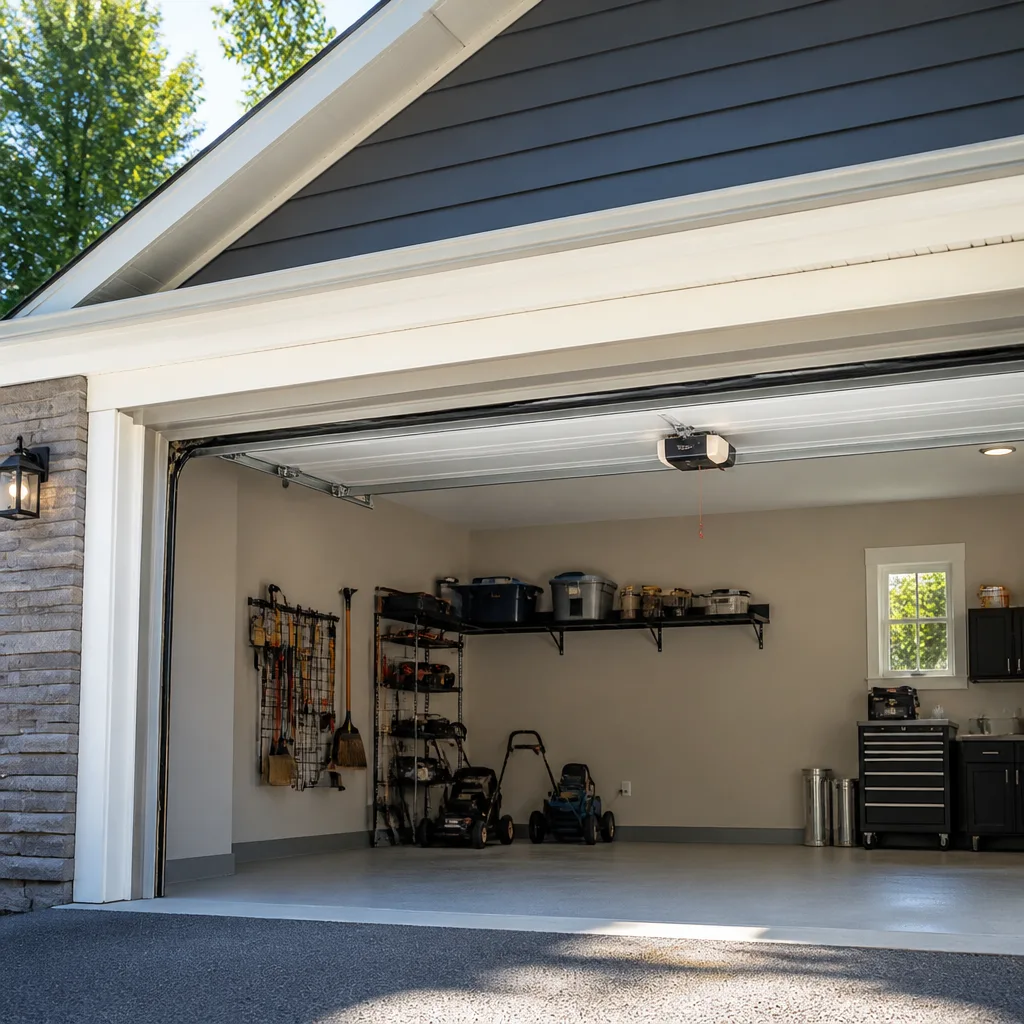 LiftMaster openers
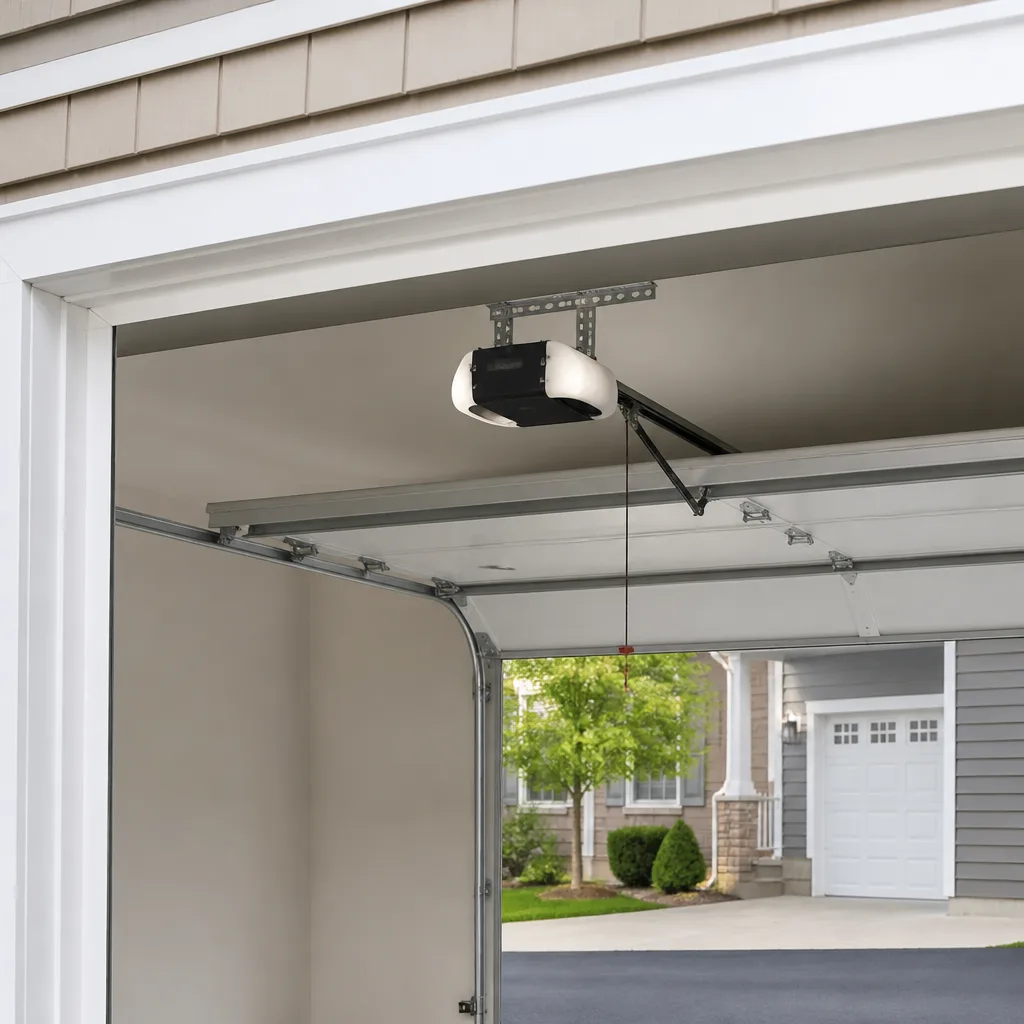 Chamberlain openers
Full 25-point door and opener safety check with every visit - springs, cables, rollers, tracks, and your LiftMaster or Chamberlain opener included
You get a price before we start. It does not change when the pro arrives.
Get your free estimateHow to Hire a Garage Door Contractor in Westwood: A Step-by-Step Guide
Most homeowners shop for a garage door contractor the same way they shop for a handyman: call the first number, take the lowest quote, and hope. That approach costs people money in Westwood, because garage door work hides its real cost in the exclusions. A quote that covers the spring but not the labor, or the labor but not the hardware, looks cheap until the job is open and the price climbs. In our experience, the three most common ways a garage door repair estimate gets padded are quoting the spring alone, the cable alone, or the labor alone, never the total job. This guide walks you through how to hire a garage door contractor in Westwood, Ohio: what to ask, what a real written estimate must contain, and how to spot pricing tricks before you book.
Quick Answer
To hire a garage door contractor in Westwood, hire a specialty garage door technician rather than a general handyman, get a written estimate that itemizes parts and labor for the whole job, confirm the company carries liability insurance, and ask five specific questions about scope before you book. In Ohio, a general contractor’s license is not the same as garage door specialty experience, so ask about brand familiarity (LiftMaster, Wayne Dalton, Raynor, and others) and spring repair technique directly. The lowest quote is rarely the complete one.
Styles & brands we work with
- Raised-panel steel
- Carriage house
- Modern flush
- Full-view glass
- LiftMaster openers
- Chamberlain openers
Table of Contents
- Licensed General Contractor vs. Specialty Garage Door Technician in Ohio
- Five Questions to Ask Before You Book
- How to Read Reviews for Bait-and-Switch Signals
- What a Written Estimate Must Include in Ohio
- How to Verify Insurance for Work on an Attached Garage
- Your Step-by-Step Hiring Walkthrough
- Red Flags That Should End the Conversation
- What Garage Door Work Typically Costs in Westwood
Licensed General Contractor vs. Specialty Garage Door Technician in Ohio
The first decision you make isn’t which company to call. It’s which kind of tradesperson you actually need. In Ohio, general contractors are licensed to manage broad construction projects. A garage door technician is a specialty trade, and the two sets of skills don’t overlap as much as people assume. A licensed general contractor may legally be allowed to install a door, but legal permission and practiced competence are different things. Torsion springs, cable tension, track alignment, and opener programming each demand specific technique and specific tools.
Here’s the practical distinction:
- General contractor: broad construction scope, project management, permits for structural work. Rarely specializes in garage door systems.
- Specialty garage door technician: focused entirely on doors, openers, springs, cables, panels, and tracks. Trained on the mechanical and electronic systems together.
- Handyman: general small repairs. Typically not trained or equipped for high-tension spring work, which is the most dangerous part of any garage door.
For a routine adjustment, a handyman might get by. For spring replacement, cable work, opener diagnostics, or a full garage door installation, you want the specialist. Our technicians have up to 11 years of experience and work on the eight brands most Westwood homes already have, including LiftMaster, Chamberlain, Genie, Clopay, Amarr, Wayne Dalton, Craftsman, and Raynor. That brand familiarity matters because diagnosing a Wayne Dalton door is different from diagnosing a Clopay, and the parts aren’t interchangeable.
If you’re not sure which category a job falls into, the answer is usually “specialist.” Most garage door failures touch either the mechanical system or the opener, and both are specialty territory.
Five Questions to Ask Before You Book
The single best defense against a padded invoice is five questions asked before anyone gets in a vehicle. Each question is designed to expose whether the company is quoting the whole job or just enough to get in the door. Write them down and ask them plainly.
- “Is your estimate for the total job, including parts and labor?” If they hesitate, they’re pricing by component. A complete quote should state the spring (or springs), the labor to install them, and any hardware the job requires.
- “Are you replacing one spring or a matched pair, and what’s the price for each?” Springs come in pairs on most doors, and they wear together. If they’re only quoting one, ask why, and get the pair price in writing. A quote for one spring is not the same number as a quote for two.
- “Do you carry liability insurance, and can you provide proof?” Ask before the truck arrives, not after. Anyone doing high-tension spring work should carry coverage, and a legitimate company will send documentation without friction.
- “Have you worked on my door and opener brand before?” Give them your brand name. A specialist who works on LiftMaster and Raynor daily will tell you what they know. A generalist will hedge.
- “Will the price change once you’re on site, and if so, what triggers it?” A quote that scopes the job honestly leaves little room for surprise. A company that says “we’ll see when we get there” is setting up a revision.
Ask these in the first phone call. The answers tell you more than any review score. And ask them before you talk price, because price without scope is meaningless.
How to Read Reviews for Bait-and-Switch Signals
Reviews are useful, but not the way most people read them. A five-star average tells you a company can satisfy customers. A one-star review tells you what happens when the relationship goes wrong, and that’s often the more revealing data. The trick is separating legitimate one-star complaints from the pattern that signals bait-and-switch pricing.
Here’s a quick way to read the pattern:
- Legitimate one-star reviews: mention a specific problem (a door that still squeaked after adjustment, a scheduling delay, an opener that failed early), name what went wrong, and often note that the company tried to make it right. These are real service complaints.
- Bait-and-switch signals: describe a quoted price that ballooned on site, mention the technician “finding” an additional problem after arrival, or say the quote was for “one spring” when the door needed two.
- The tell: multiple reviews where the original quote and the final invoice are wildly different, with the company blaming “hidden damage” that wasn’t visible before. One such review is an outlier. A pattern is a business model.
Also look at what reviewers mention about scope. Someone who writes “they quoted the whole job, including the labor, and the price didn’t move” is telling you the company scopes honestly. Someone who writes “the price doubled once they saw it” is telling you the opposite. In a market the size of Westwood, a handful of honest reviews on the specific issue of pricing accuracy is worth more than a large total count, because it means the company has done this job the same way for enough customers that the pattern shows up.
What a Written Estimate Must Include in Ohio
A written estimate is the document that settles every later argument about price. If it’s vague, you have nothing to point back to, and the quote you agreed to verbally isn’t the price on the invoice. For a garage door job in Ohio to be enforceable as a complete estimate, it needs to spell out the parts, the labor, and the total before work begins. A complete written estimate should include:
- Parts, itemized: each spring, cable, roller, panel, or opener component listed separately, with quantity and price.
- Labor, stated explicitly: the cost to install, not just the cost of the parts dropped at the door.
- Hardware: brackets, drums, bearing plates, or other parts the work requires, listed or explicitly stated as included.
- A total, all-in number: one figure that covers everything above, clearly marked as the estimated total.
- The scope: what is being replaced and what is not, so future work isn’t quietly added.
- The written portion delivered before work starts: not after the door is already apart on the floor.
Get that written estimate before anyone touches the door. On the pricing side, our estimates are free, and the price you agree to in writing is the price we quote, per job by estimate. If a company won’t put the scope in writing before starting, that’s the moment to end the call. To see what complete pricing for a repair job looks like, our garage door repair service page lays it out.
How to Verify Insurance for Work on an Attached Garage
The insurance question is the one homeowners skip, and it matters most on an attached garage. Here’s why: an attached garage shares a wall, a roofline, and often living space with the rest of the house. If a technician drops a top panel, drives a bracket into the wrong place, or damages a wall that shares a foundation, the exposure runs beyond the garage. Liability coverage protects you if the contractor damages the structure, and it’s not something you want to verify after the fact.
Verify it like this:
- Ask for a certificate of insurance before the job is booked. This is a standard document, and a legitimate company will provide one.
- Confirm it covers general liability, not just a commercial auto policy. A company with only vehicle coverage leaves the damage to your house uncovered.
- Note the policy dates. A certificate that expired months ago doesn’t cover today’s work.
- Keep a copy with your written estimate. If something goes wrong later, you want both documents in one place.
For an attached garage, ask specifically whether the coverage extends to the structure and the interior wall the garage shares with the house. A company that hesitates on that question has told you everything. Our technicians are trained on the spring and cable work that carries the most risk, and we can provide proof of insurance on request. If you want to cross-check before you call, our Westwood Garage Door Repair Pros service overview lists our scope.
Your Step-by-Step Hiring Walkthrough
Pulling the questions and the estimate requirements together into a sequence makes the whole process manageable. Here’s the order we’d suggest to any Westwood homeowner, whether the job is a spring replacement, an opener fix, or a full door replacement. Work through it step by step and you won’t leave the door open for a padded invoice.
- Identify the system and the brand. Check the opener brand (LiftMaster, Genie, Craftsman, and Wayne Dalton are the common ones in this area) and the door brand if visible. This tells you what kind of specialist to call.
- Decide the job type. Is it a repair (spring, cable, panel, opener), or an installation or replacement? Repair is urgent and often same-day. Installation is measured, ordered, scheduled.
- Call a garage door specialist, not a handyman. Confirm the company works on garage doors as its specialty, not as an occasional add-on.
- Ask the five scope questions from the section above. Write down the answers so you can compare.
- Request the written estimate with parts, labor, hardware, and a total, before work starts.
- Verify liability insurance and keep the certificate with the estimate.
- Confirm the estimate total is the price you’ll see on the invoice, and that any on-site discovery triggers a conversation before the work changes.
For a repair, this whole sequence takes about the length of one phone call. For an installation, it takes one visit for a free measure and a written price, then a scheduled installation. Either way, the sequence protects you.
One note on urgency: a broken spring or a door that won’t open is a repair job, and it’s worth establishing this relationship before the emergency, if you can. A company that has scoped your door once will scope it the same way under pressure. That’s true in Westwood as much as anywhere, and it’s why we recommend saving the number of a specialist you’ve actually talked to.
Red Flags That Should End the Conversation
Some signals mean don’t book, not ask another question. If you see any of these, move on to the next company.
- No written estimate before work. If the scope lives in the technician’s memory, it can change after the door is apart.
- A quote for one spring when the door has two. Springs are replaced as a matched pair on most doors, and a single-spring quote is a component price presented as a job price.
- “We’ll see when we get there” pricing. Vague initial pricing almost always means a revision on site. Ask for a range at minimum, in writing.
- Refusal to provide insurance proof. No certificate, no booking.
- Pressure to decide immediately. A real specialist won’t push you to sign before you’ve read the estimate.
- No brand familiarity. A company that can’t tell you how it handles a Raynor or a Wayne Dalton door hasn’t done much of this work.
- A “diagnostic fee” that only applies if you book. A free estimate should be free.
The single most reliable red flag is the scope question. If a company won’t tell you plainly whether a number covers parts and labor together, that’s the answer.
What Garage Door Work Typically Costs in Westwood
Cost is the part of the conversation where scope matters most. Two numbers that look similar can mean very different things once you read what each covers. Use the ranges below as a starting point for the comparison, then require a written estimate for the exact job. The written estimate sets the final price.
- Spring repair (one spring), typical: roughly $180-$340, depending on the spring and door. A matched pair is usually replaced together, so a pair is roughly double the single-spring price.
- Cable or roller replacement, typical: a moderate per-item repair, but ask whether the quote includes labor for the full job, not just the part.
- Panel replacement, typical: priced per panel plus alignment labor. Ask for both.
- Opener repair, typical: diagnosis plus the specific component, priced by the written estimate.
- Full door installation, typical: measured on site and quoted in writing. This is a scheduled job, not an emergency call.
Prices in Westwood can shift based on door size, brand, and how much hardware the job needs. The key is the written total. If a quote only lists one spring when your door has two, the “cheap” number is a component price, and the invoice will climb once the technician is on site. For an exact quote on your door, see our garage door opener repair page for the repair side, or call and ask for a written estimate on the whole job. Estimates are free, and you’ll have the scope and the price in writing before you book.
Common Mistakes to Avoid
- Taking the lowest quote without reading the scope. A lower number often covers fewer components, which means it grows on the invoice. Compare totals, not starting prices.
- Hiring a general handyman for spring work. Torsion and extension springs are under high tension and require trained technique. A handyman without that training is a risk to himself and the door.
- Skipping the written estimate. Without it, there’s no record of what you agreed to, and price disputes become your word against the invoice. Get it before work starts.
- Failing to verify insurance. Attached garages share walls and rooflines with living space. Uncovered damage to the shared structure is your expense.
- Booking on the spot under pressure. Westwood homeowners have options, and a specialist who respects the decision timeline won’t push you to sign before you’ve read the estimate.
- Ignoring the opener brand. A quote that doesn’t match your LiftMaster or Genie unit to the right parts is a quote that will need correction on site.
- Assuming the quote covers the pair. Ask directly: one spring or two? Matched pairs are replaced together on most doors, and the price should reflect that.
See the difference
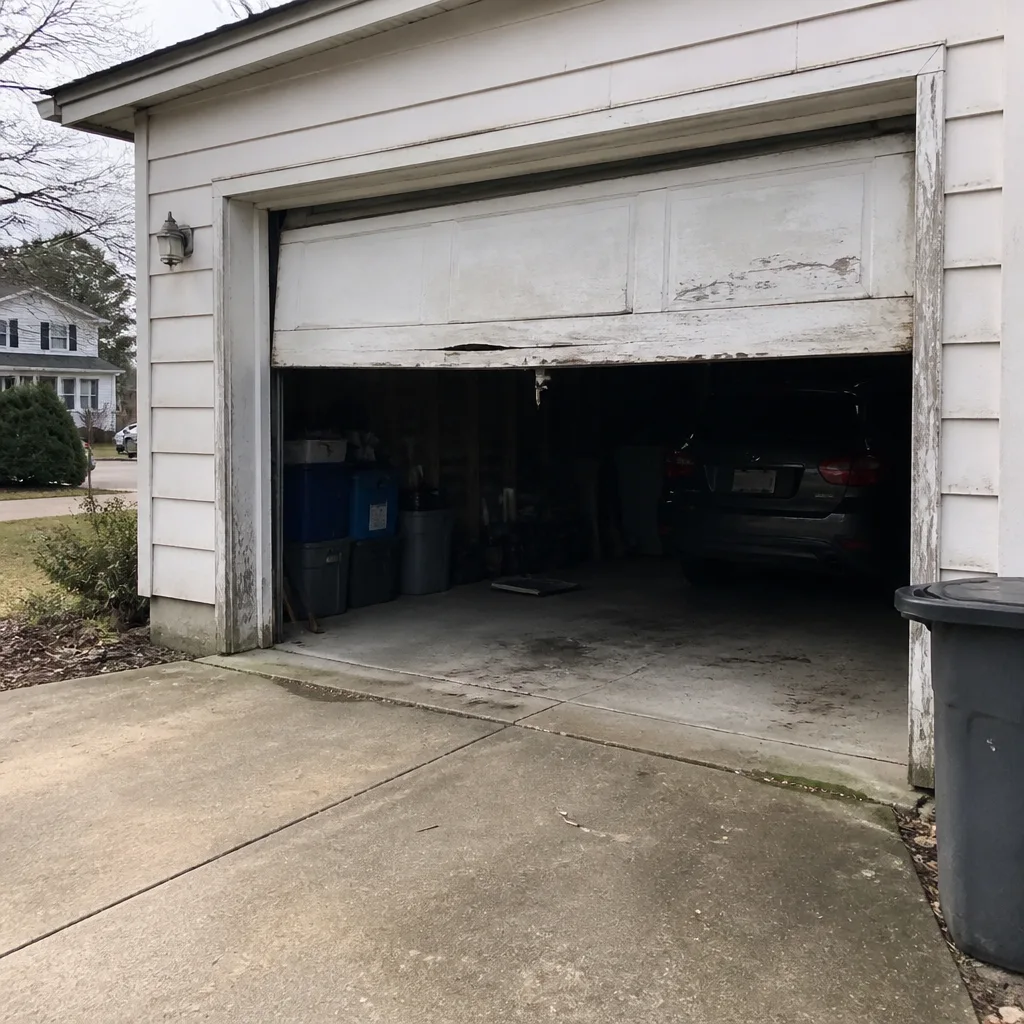 Before
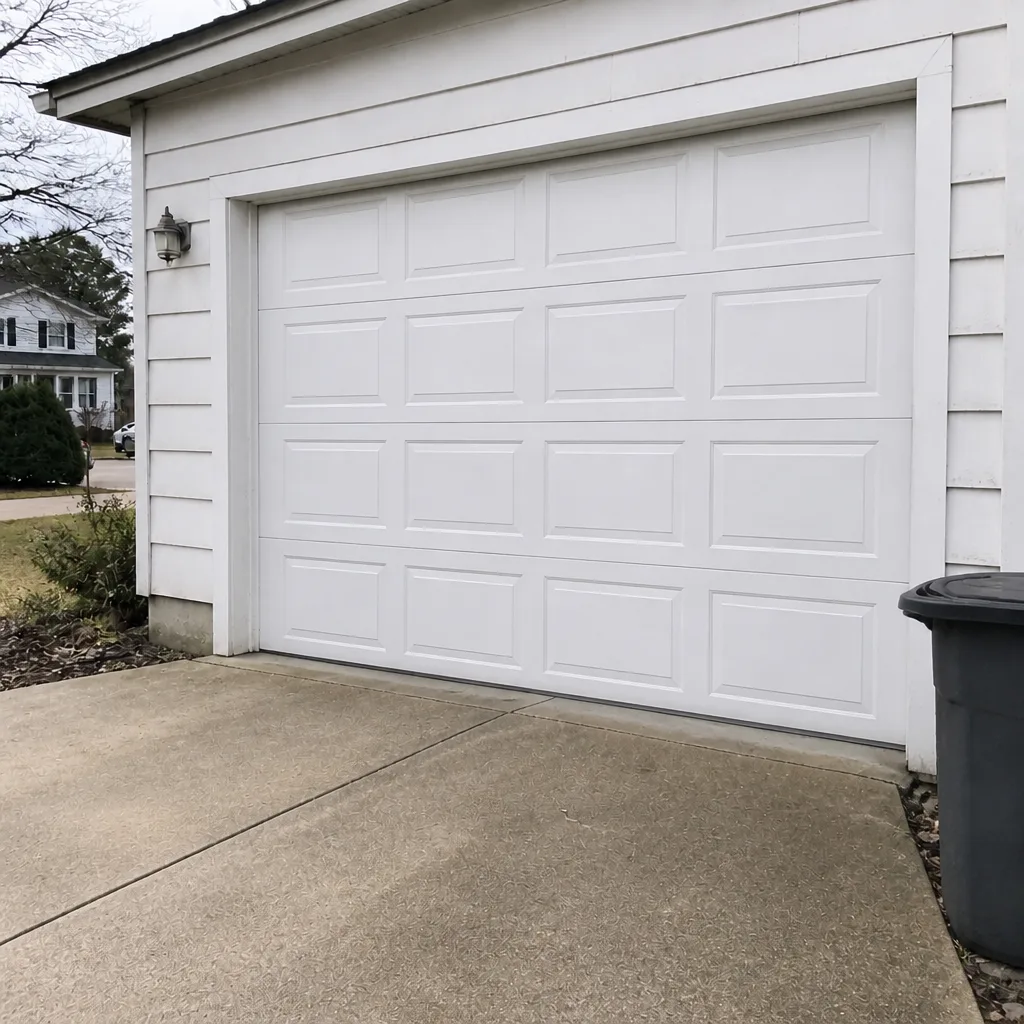 After
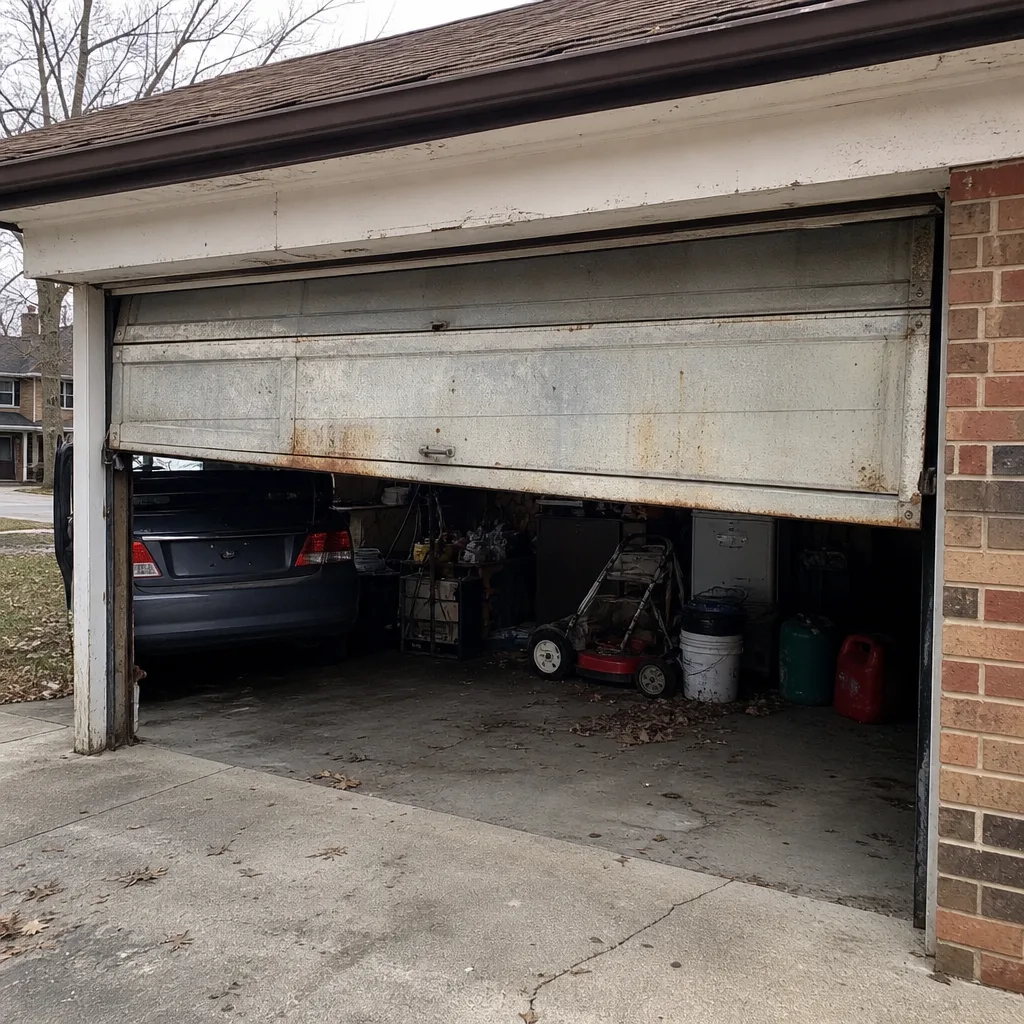 Before
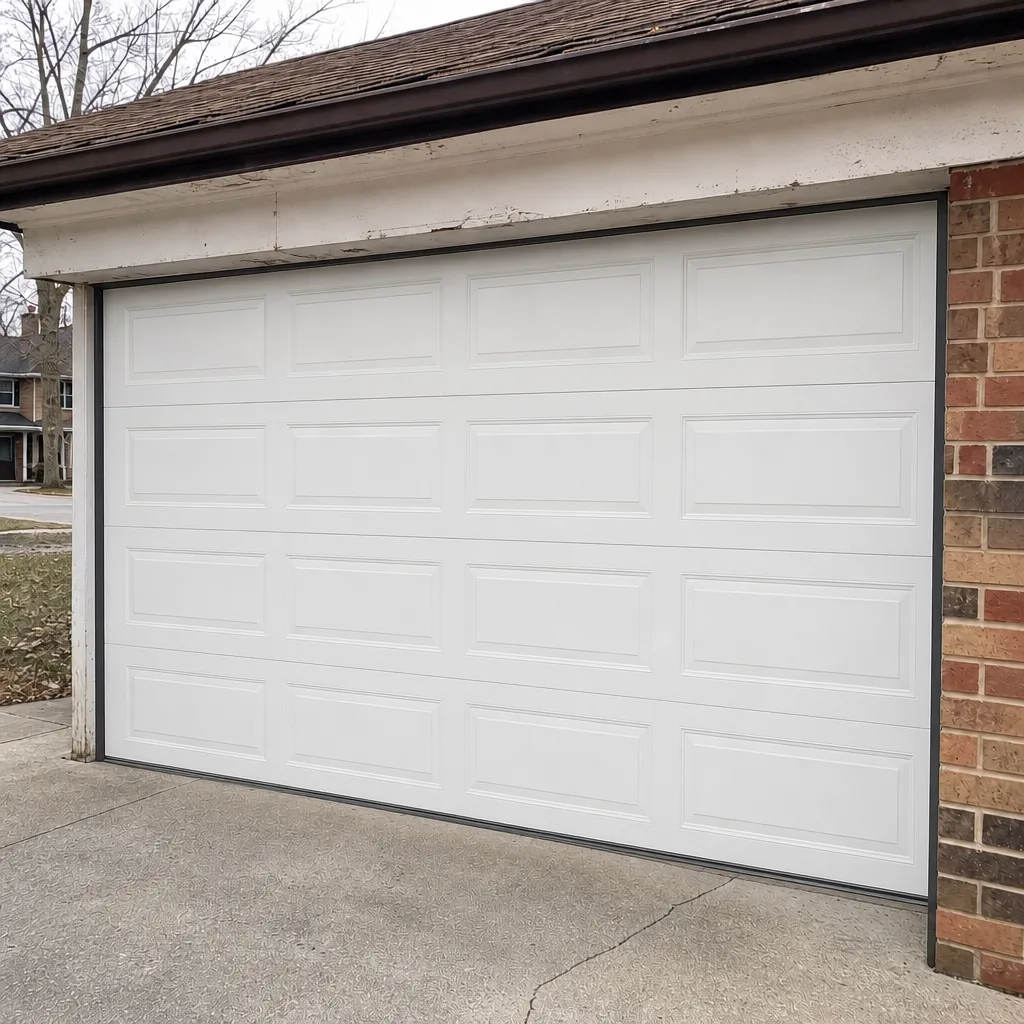 After
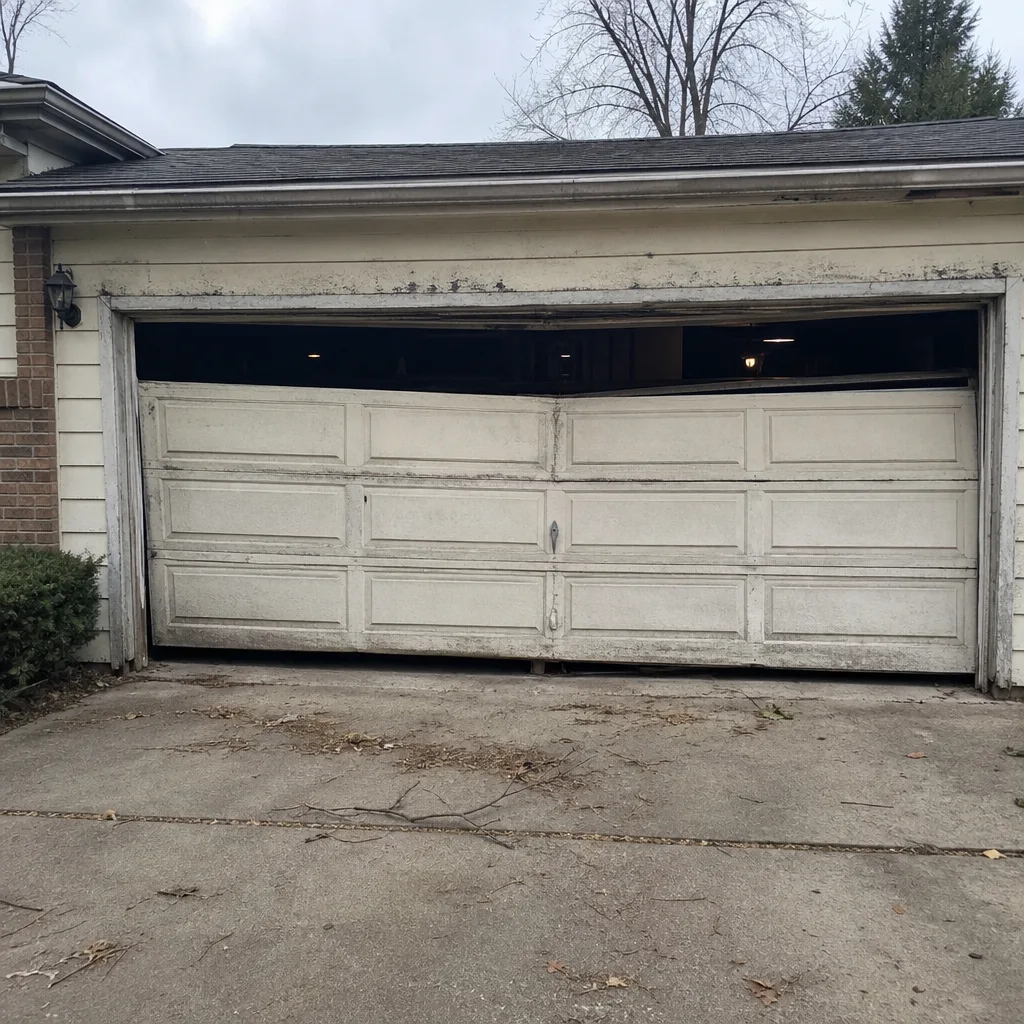 Before
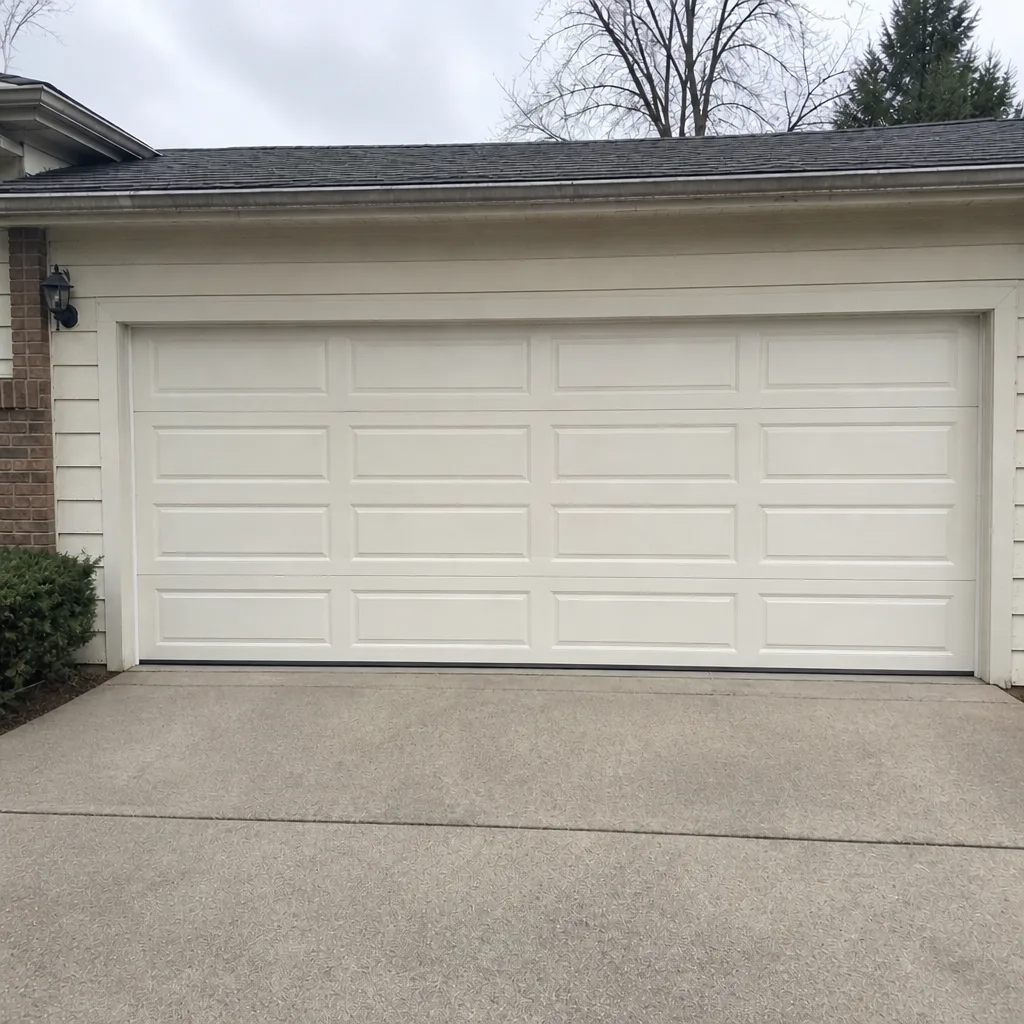 After
When to Call a Professional
Some garage door problems are adjustment issues. Others are dangerous enough that the right move is to stop and call a trained technician. Call a professional when a spring has snapped or is visibly broken, when a cable has come off its drum, when the door drops unevenly or hangs at an angle, when the opener runs but the door doesn’t move, or when any high-tension component looks compromised. Don’t attempt to loosen, adjust, or remove springs or cables yourself. The tension in those parts can cause serious injury, and the correct tooling and technique aren’t something to learn on a live door. Westwood Garage Door Repair Pros offers free estimates in Westwood, and we answer 24/7. Call (855) 337-1660. Fast dispatch from 7am to 7pm, Sunday through Friday, and same-day service for repair work.
Frequently Asked Questions
You need a specialty garage door technician, and in Ohio a general contractor’s license is not the same as garage door specialty training. Ask the company directly about its garage door experience, spring repair technique, and brand familiarity. A license covers scope of work legally, but it doesn’t guarantee the hands-on skill a torsion spring job demands. Call (855) 337-1660 for an exact quote, and estimates are free.
Spring repair in Westwood typically runs $180-$340 for one spring, and because most doors use a matched pair that’s replaced together, the pair is roughly double that. The written estimate should state the single price and the pair price so you can see which you’re being quoted. Ask before booking, and call (855) 337-1660 for an exact quote. Estimates are free.
Yes. Repair work is often same-day, and we answer 24/7. Fast dispatch from 7am to 7pm, Sunday through Friday. A call outside dispatch hours is booked into the next opening, Sunday through Friday, 7am to 7pm. Call (855) 337-1660 and we’ll confirm availability for your Westwood door.
No. The price is quoted and agreed in writing before any work starts, and the written estimate is the price. If an on-site inspection reveals something the phone conversation missed, we talk it through with you before the scope changes. A quote that scopes the whole job honestly leaves little room for a surprise. Call (855) 337-1660 for an exact quote. Estimates are free.
The local pro we connect you with is licensed and insured as Ohio requires, and you can ask for proof of liability coverage before the job is booked. On an attached garage, verify that the coverage extends to the structure and the shared wall. Ask for the certificate before work starts, not after. Call (855) 337-1660 to confirm the details for your Westwood job.
We work on eight of the most widely installed garage door and opener brands, including LiftMaster, Chamberlain, Genie, Clopay, Amarr, Wayne Dalton, Craftsman, and Raynor. Working on the brand you already have means correct parts the first time and faster diagnosis. Tell us your brand when you call (855) 337-1660 and we can match the right technician to the job. Estimates are free.
The Bottom Line
Hiring a garage door contractor in Westwood comes down to one habit: require the whole job in writing before anyone starts. Ask the five scope questions, compare totals rather than starting prices, verify liability insurance for the attached garage, and treat “we’ll see when we get there” as the red flag it is. The three scams that catch homeowners most often, quoting the spring alone, the cable alone, or the labor alone, only work when the scope is vague. A complete written estimate closes all three doors at once. For a free estimate in Westwood on a repair, opener, or installation, call (855) 337-1660. We answer 24/7. Fast dispatch from 7am to 7pm, Sunday through Friday.
Written by the team at Westwood Garage Door Repair Pros.