
Last updated November 20, 2026
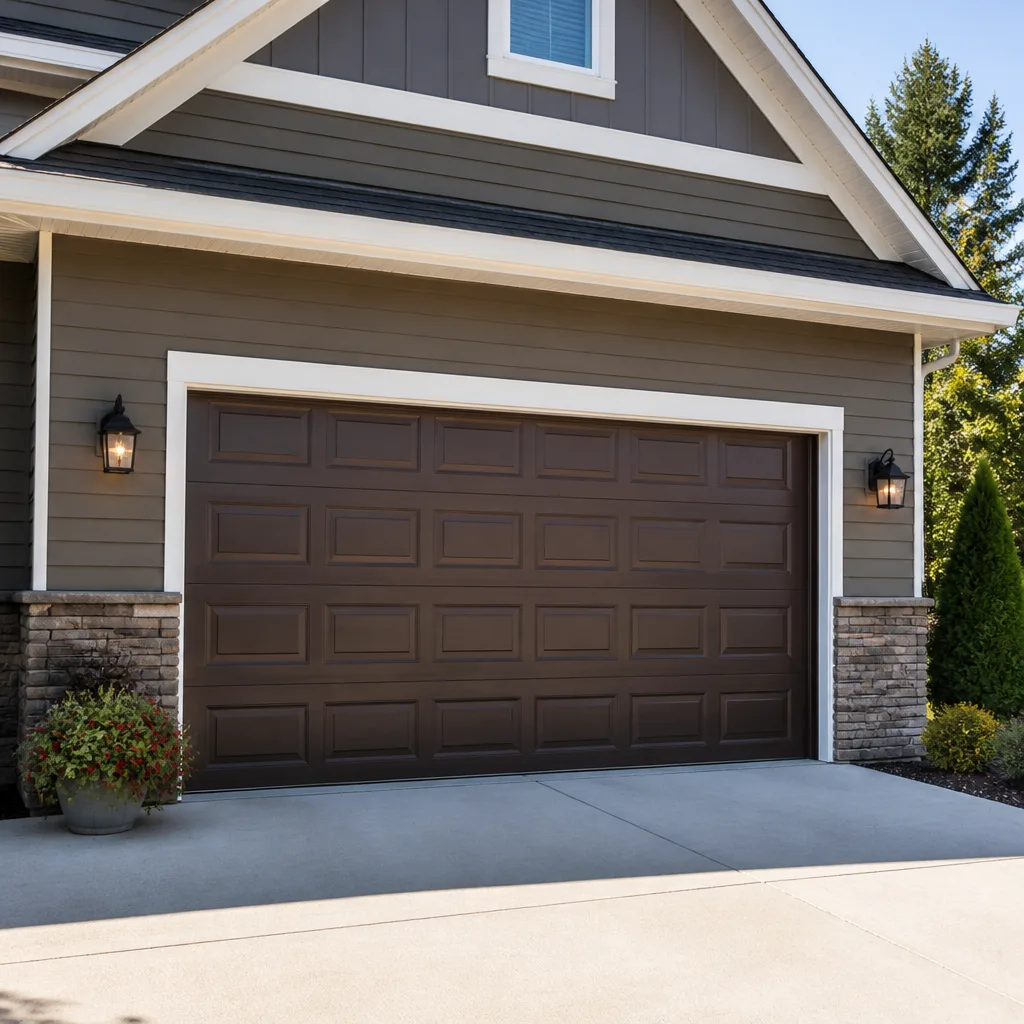 Raised-panel steel
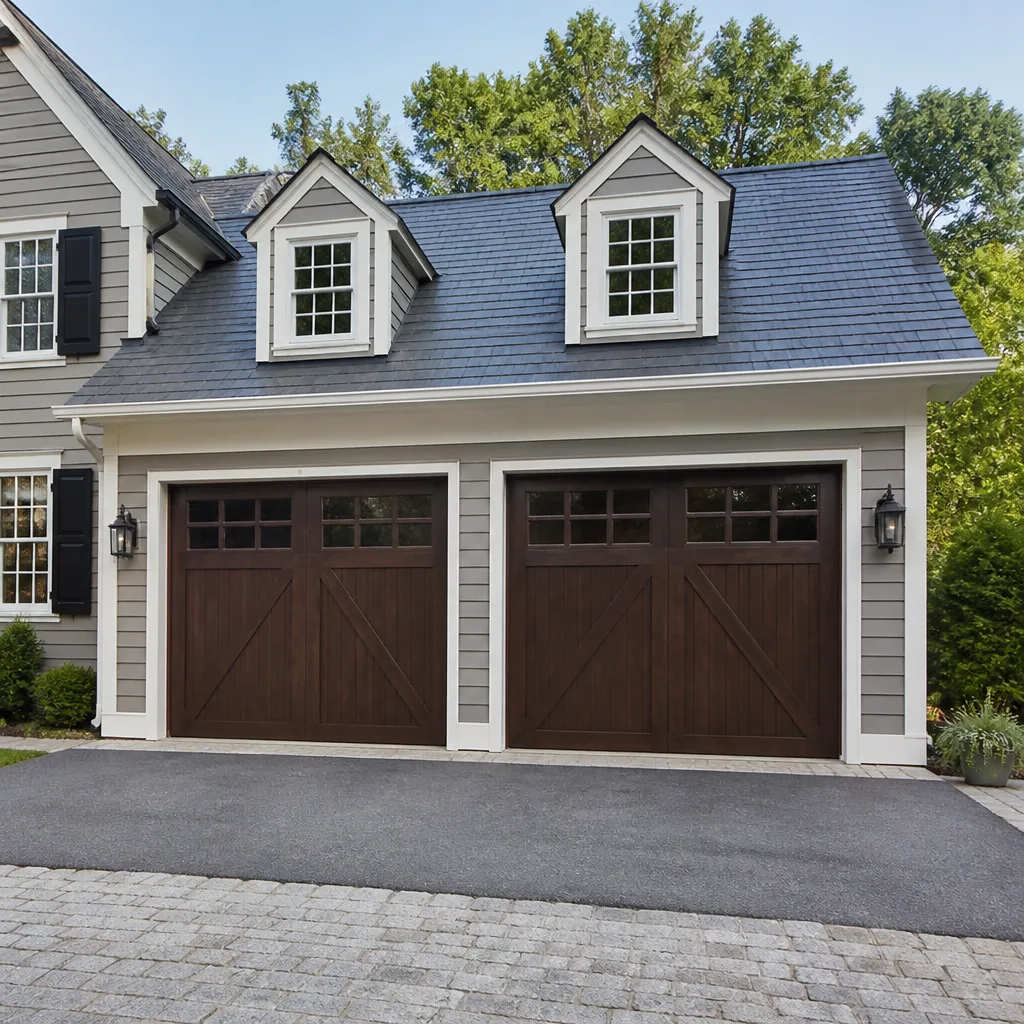 Carriage house
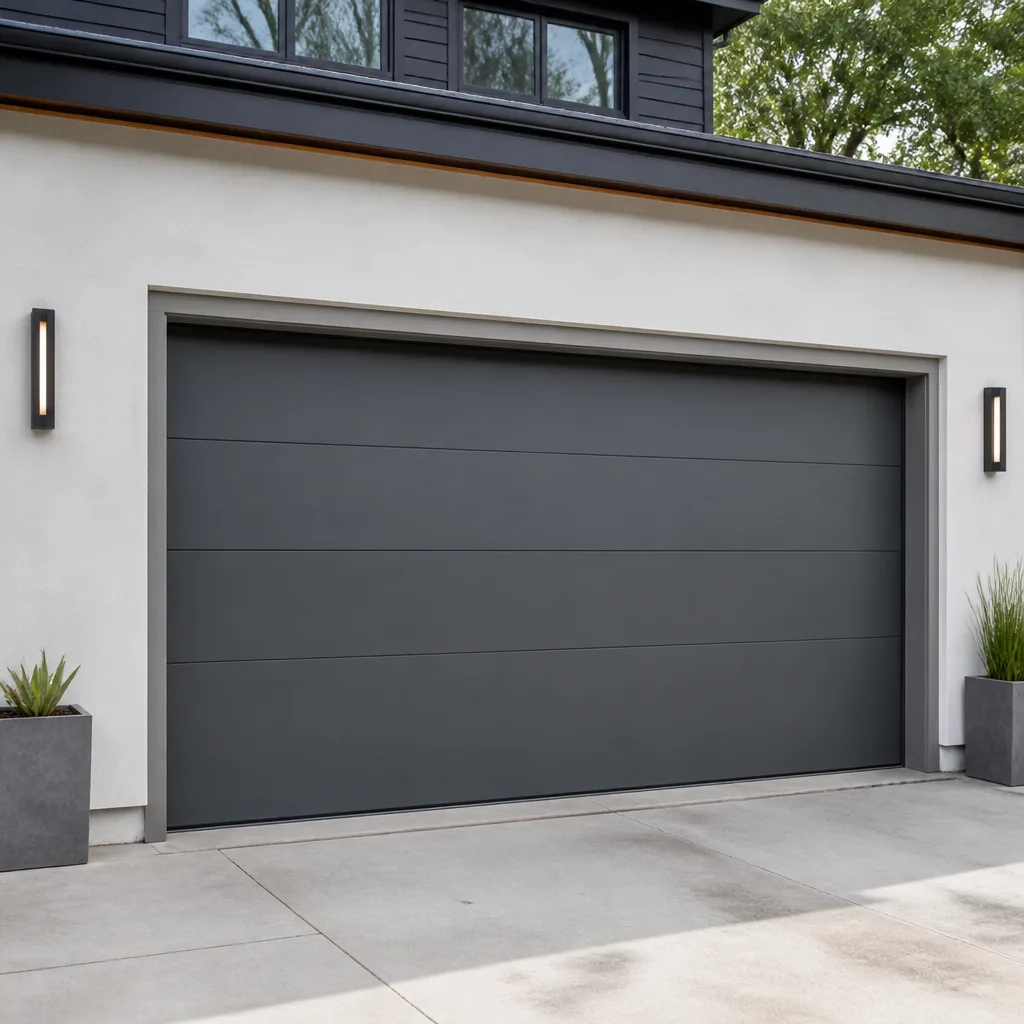 Modern flush
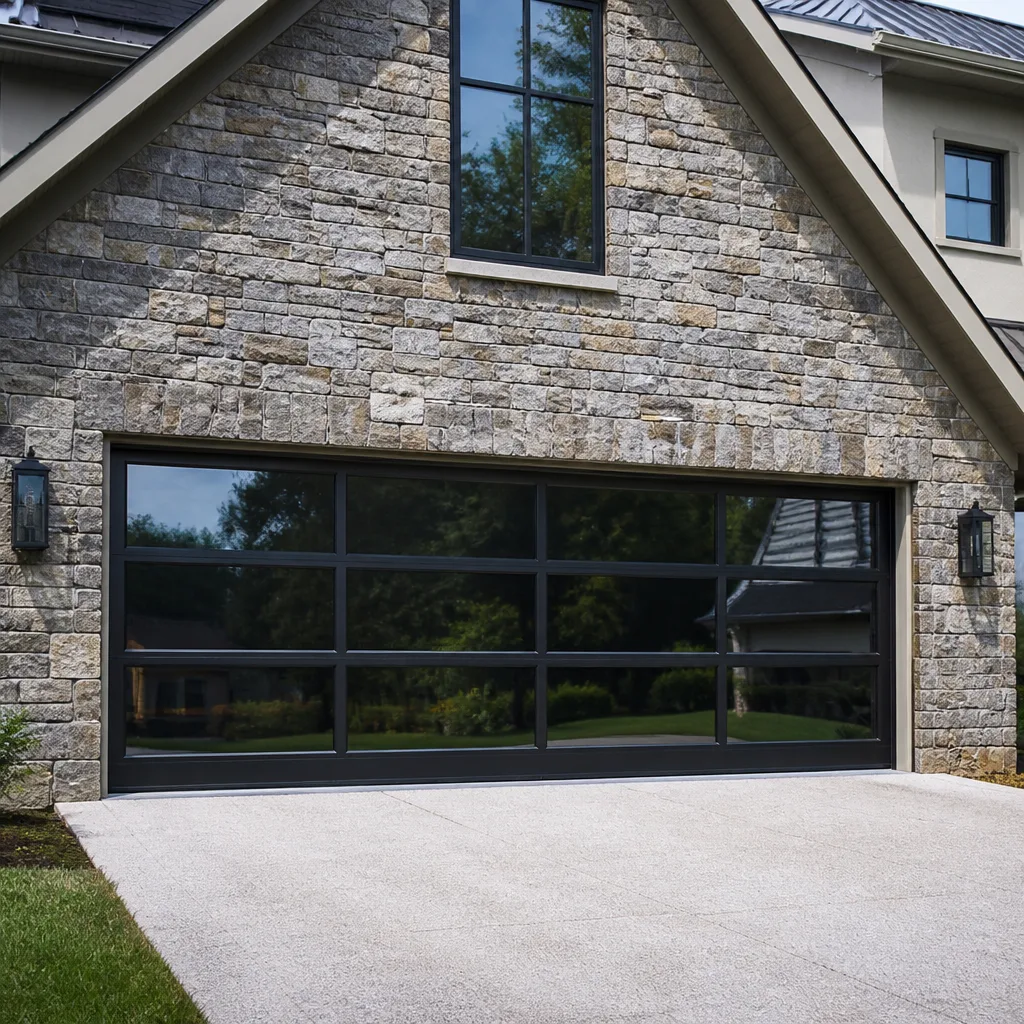 Full-view glass
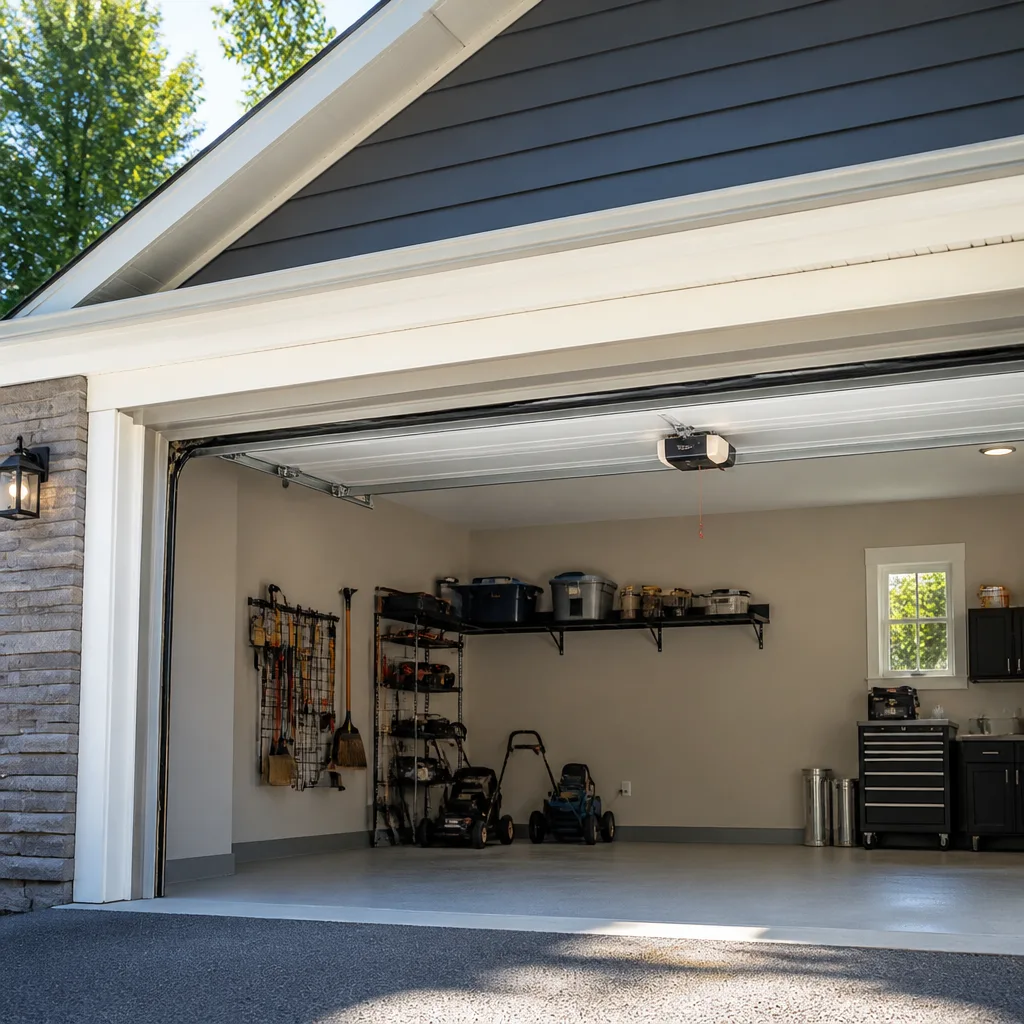 LiftMaster openers
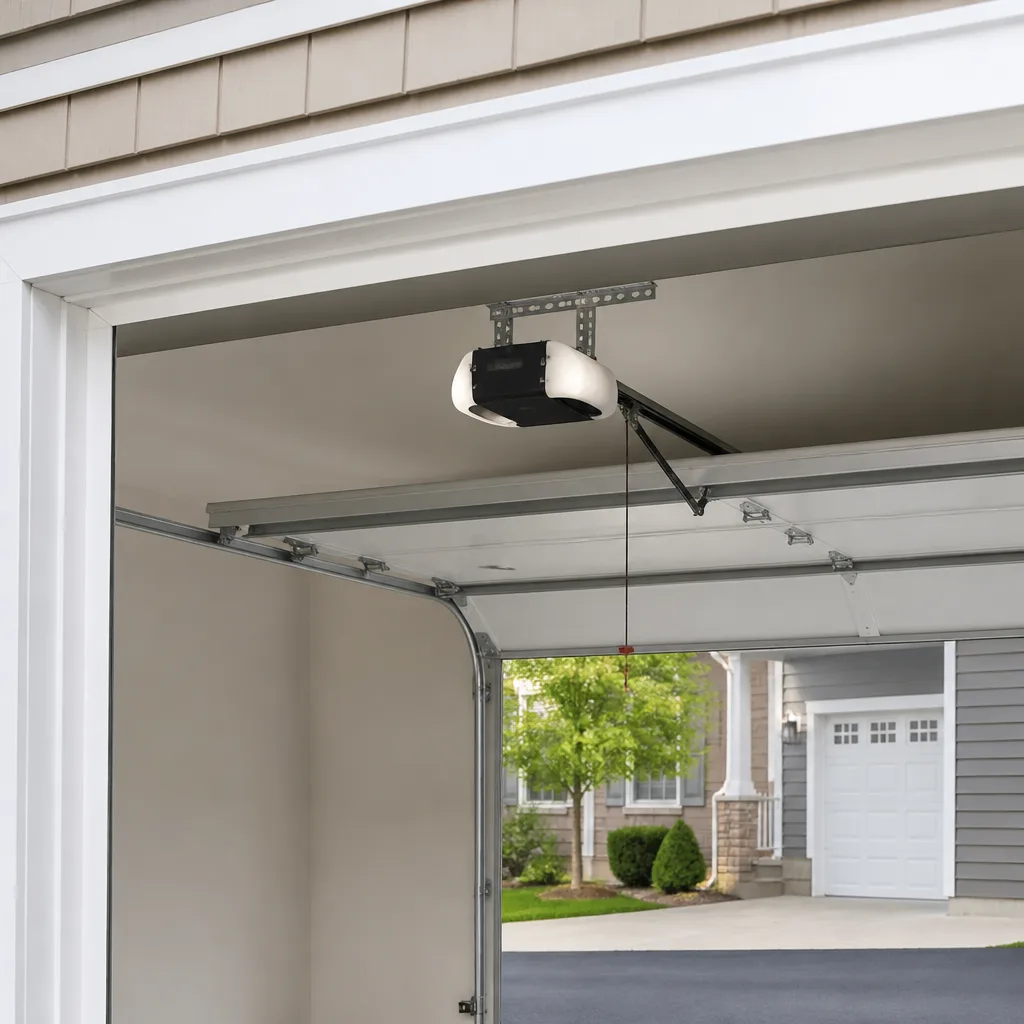 Chamberlain openers
Full 25-point door and opener safety check with every visit - springs, cables, rollers, tracks, and your LiftMaster or Chamberlain opener included
You get a price before we start. It does not change when the pro arrives.
Get your free estimateSeasonal Garage Door Care for Westwood: Year-Round Homeowner’s Guide
Most garage door advice treats maintenance as four identical to-do lists with the seasons swapped at the top. That misses what actually breaks doors in Westwood. Here, the door that jams in January is usually paying for something that went untouched in October, and the opener that quits in July has been baking since May. Cold alone doesn’t wreck a garage door. The freeze-thaw cycle does, along with summer heat that quietly fatigues spring steel and eats at circuit boards. This guide walks through the Westwood weather calendar and pins one high-value task to each season so you can stay ahead of the failure that would otherwise show up 90 days later.
Quick Answer
In Westwood, seasonal garage door care comes down to four anchor tasks that each prevent the failure most likely to strike in the next 90 days: seal and weatherstrip inspection in fall, spring tension and opener checks in summer, salt-and-grit cleanup in late winter, and full track alignment in spring. Do those four things on schedule and you avoid most of the stuck, crooked and noisy doors that show up across Westwood every year. The rest of this guide breaks each season down and gives you a month-by-month calendar.
Styles & brands we work with
- Raised-panel steel
- Carriage house
- Modern flush
- Full-view glass
- LiftMaster openers
- Chamberlain openers
Table of Contents
- Why Seasonal Care Works Differently in Westwood
- Fall: Sealing the Door Before the First Freeze
- Winter: Managing Ice, Salt and Frost Heave
- Spring: Alignment, Tracks and the Thaw Problem
- Summer: Heat, Spring Fatigue and Opener Circuit Boards
- The Westwood Month-by-Month Micro-Calendar
- What Brand You Own Changes the Checklist
- When to Call a Professional
Why Seasonal Care Works Differently in Westwood
Ohio’s climate doesn’t stay on one side of freezing for long. A typical Westwood winter swings above and below 32°F repeatedly, often within the same week. Every one of those swings moves water in and out of the small gaps around a garage door: under the bottom seal, between panels, in the seams of the weatherstripping. That cycle, not the deepest cold snap, is what destroys seals and lets drafts and moisture in. A door that seals tight in October is a door that stays tight through mud season. A door that went into winter with a hardened, cracked bottom seal is a door that will let water pool against the threshold and freeze.
Summer works on a different part of the system. Heat expands the metal track just enough that a door which rolled smoothly in April can start catching by August. Torsion spring steel doesn’t like repeated heating and cooling either; fatigue builds slowly and shows up as a door that feels heavier one morning than it did the week before. Opener circuit boards, especially on older units, run hotter in a closed garage and are more likely to fail in a heat wave than in mild weather. None of this is dramatic. It’s cumulative, which is exactly why a light touch at the right time of year saves real money later.
Our technicians have up to 11 years of experience working on doors in this kind of climate, and the pattern is consistent: the calls that spike after a hard freeze trace back to skipped prep in the fall, and the calls that spike in a July heat wave trace back to springs and openers that were never checked in spring. Pinning one task to each season, done on time, prevents the majority of those failures before they start.
Fall: Sealing the Door Before the First Freeze
The single highest-value task of the entire year in Westwood happens in October, and it’s the bottom seal. The rubber weatherstrip along the bottom of your door is what keeps out water, cold air, insects and the small animals that look for a warm gap once the nights turn cold. Summer sun hardens that rubber and fall’s first cold snaps make it brittle. A seal that’s cracked, flattened or separated from the door is the most common reason water gets in under the door and freezes against the threshold, and once that ice forms, the door’s bottom edge takes the stress every time it opens.
Here’s what the October prep actually involves:
- Close the door and look along the bottom edge from inside. Any light coming through, or any spot where the seal doesn’t sit flush, is a gap that will let water in.
- Run a hand along the seal. It should feel supple. If it’s stiff, cracked or crumbling, it needs replacement before the first hard freeze.
- Check the side and top weatherstripping the same way. Gaps at the corners are where drafts and moisture sneak in.
- Look at the threshold itself. Any pooling or staining on the floor just inside the door suggests the seal or the door’s bottom position needs adjusting.
- Clear leaves and debris from the track and the area where the door meets the ground so nothing holds moisture against the seal.
Replacing a bottom seal is one of the least expensive maintenance tasks on the whole door, and it’s the one that most reliably prevents January problems. If your door is a Clopay or Amarr model with a proprietary seal profile, don’t guess at a universal fit; the wrong profile leaves gaps even when new. A free estimate will tell you whether your seal is fine, adjustable or due for replacement, and the written price is set before any work starts.
Winter: Managing Ice, Salt and Frost Heave
Road salt is the quiet enemy of a garage door track in Westwood. Every vehicle that parks inside carries salt, grit and slush in on its tires. That mixture lands at the bottom of the track and around the door’s lower rollers. Over a full winter it accelerates corrosion on the track far faster than ordinary humidity would, and grit packed into the track grinds at the rollers every time the door moves. This is why a track that looked clean in November can feel rough by February.
Winter maintenance is mostly about keeping the working parts clear:
- Wipe or sweep out the bottom of the track periodically, especially after a stretch of wet, salty roads.
- Don’t use a pressure washer or a hose on the track in freezing weather. Water in the track freezes and can bind the rollers.
- Keep the area where the door meets the ground clear of ice. Chipping ice away from the seal is fine; never pry at the door’s bottom panel to break it loose.
- Watch for frost heave: the ground lifting unevenly under the threshold, which can push the bottom seal up and create a gap.
- Listen for changes. A door that starts grinding or squealing in midwinter is telling you grit or corrosion has gotten into the moving parts.
One thing to leave alone in winter: the springs. High-tension torsion and extension springs are the most dangerous component on any garage door, and winter is no time to experiment with them. Even a small adjustment to spring tension involves stored energy that can injure an untrained person badly. If a spring-related problem shows up in the cold, call for trained help rather than trying to work around it. Winter is also when frost heave and ice at the threshold tend to force the door’s bottom edge, so if you notice the door bouncing back up when it closes, that’s a symptom worth diagnosing properly.
If a door fails completely in the middle of a cold snap, call (855) 337-1660. We answer 24/7. Fast dispatch from 7am to 7pm, Sunday through Friday.
Spring: Alignment, Tracks and the Thaw Problem
Spring is when the accumulated winter stress shows up as visible misalignment. Doors that ran perfectly straight in September start scraping, sticking or rubbing in March and April, and there’s a mechanical reason for it. The wood and metal framing around the opening has been through months of cold and moisture. As temperatures rise, everything expands again, and the track that was pushed slightly out of square over winter is suddenly not parallel to the door’s travel. That misalignment is what makes a door bind partway up.
The spring alignment check is straightforward but worth doing properly:
- Watch the door through a full cycle from about ten feet back. Look for any point where the door tilts, rubs or stutters.
- Check the gap between the door edge and each track. It should be even top to bottom on both sides.
- Inspect the track for dents, bends or sections that have pulled away from the wall. A section that isn’t firmly anchored can shift and bind the rollers.
- Look at the rollers. Worn or cracked rollers are the other common cause of a door that suddenly sticks.
- Clean out the thaw grit. Salt, sand and dirt from the roads collect in the track and turn into an abrasive paste as snow melts.
This is also the season to clear the winter corrosion. What salt did to the track over three months needs to be cleaned off, not left to keep eating metal through the spring. A thorough track and roller inspection catches both the misalignment and the corrosion in one pass. This is the kind of work that falls squarely within garage door repair, and doing it in early spring means the door is set up to run smoothly through the hot months.
Summer: Heat, Spring Fatigue and Opener Circuit Boards
Summer is the maintenance season most homeowners skip, and it’s the one that punishes neglect. Torsion spring steel is under constant tension, and heat cycles fatigue it a little more each year. A spring that’s nearing the end of its life feels fine in spring and starts showing its age in a hot July: the door feels heavy when you lift it by hand (with the opener disconnected), or the opener strains more than usual to lift it. Catching that early tells you the spring is due for replacement before it snaps and leaves the door stuck.
Openers have their own summer problem. A garage can get very hot with the door closed, and circuit boards on older units, particularly LiftMaster and Chamberlain models with more electronics, are more likely to fail in heat than in mild weather. If your opener is acting up only on hot afternoons, that’s a meaningful clue. The same goes for the wall control or remote: odd intermittent behavior in summer often traces back to the logic board or the safety sensors, not the remote.
Summer tasks that matter:
- Test the door’s balance: disconnect the opener, lift the door halfway by hand, and let go. A balanced door stays put. One that drops or feels heavy points to spring wear.
- Clean and lubricate the moving parts of the door mechanism with a product meant for garage door hardware.
- Check the opener’s safety reverse: put a small object under the closing door and confirm the door reverses.
- Clear the area around the opener head so it can shed heat rather than bake.
- Look at the sensors on each side of the door. Misaligned sensors are a common reason a door won’t close in summer when the sun hits them wrong.
This is when we see the most garage door opener repair calls, and it’s usually a board, a sensor or a gear issue rather than the door itself. Getting an opener checked in early summer catches the electronics problem while it’s still intermittent. Again: leave spring adjustments to a trained technician. Store energy in a torsion spring is genuinely dangerous, and the rule of thumb is simple: if the work involves the springs, it’s a job for a professional.
The Westwood Month-by-Month Micro-Calendar
Here’s the year condensed into single high-value tasks. Each month has one main job, chosen because it prevents the failure most likely to hit within the next 90 days.
| Month | Single Highest-ROI Task |
|---|---|
| January | Keep the bottom track clear of ice and grit; watch for frost heave under the threshold. |
| February | Wash road salt and slush out of the track; check for corrosion at the lower rollers. |
| March | Full alignment check: watch a complete cycle from ten feet back and note any binding. |
| April | Clear the winter grit out of the track and inspect rollers for wear. |
| May | Test door balance by hand; listen for the opener straining. |
| June | Lubricate the moving hardware and test the safety reverse. |
| July | Check for heat-related opener glitches and clear the area around the opener head. |
| August | Inspect the bottom seal and side weatherstripping for summer sun damage. |
| September | Test the seal’s suppleness and replace if stiff or cracked. |
| October | Replace the bottom seal and any failed weatherstripping before the first freeze. |
| November | Sweep the track, check the door closes flush against a clean threshold. |
| December | Run the door monthly through winter to keep the mechanism moving; watch for cold-related stiffness. |
If a month gets away from you, prioritize October, March and June. Those three tasks alone prevent the most common Westwood failures: frozen thresholds, misaligned tracks and heat-fatigued springs. When a month’s task turns up something you can’t safely fix yourself, that’s the point at which a professional call is worth it. Westwood homeowners who keep to this calendar usually get years of smooth operation out of the same door.
What Brand You Own Changes the Checklist
The season tasks are universal, but the details of parts and adjustments depend heavily on which door and opener you own. That’s why we work on the brand you already have rather than steering you toward a proprietary replacement. We’re factory-familiar with eight of the most widely installed brands: LiftMaster, Chamberlain, Genie, Clopay, Amarr, Wayne Dalton, Craftsman and Raynor. Knowing the specific profile of a Clopay bottom seal or the circuit board layout of a Chamberlain opener means we diagnose faster and get the correct parts the first time.
A few brand-specific notes worth knowing:
- LiftMaster and Chamberlain openers share much of their internal design, so a logic board or sensor issue on one is diagnosed the same way as on the other.
- Craftsman openers (many of which are built on the same platforms) are common in older Westwood garages, and parts availability varies. Knowing the model matters.
- Wayne Dalton doors often use unique track and panel interfaces that don’t accept universal replacement parts.
- Clopay and Amarr doors are widely installed in the area, and each has specific seal profiles that need the right replacement part.
- Raynor commercial and residential doors use their own hardware, which is another reason to match the part to the door.
This matters most at the moment of failure. If your door stops working and the right part has to be ordered, knowing the brand-and-model combination up front saves days of waiting. That same familiarity is why we handle both the mechanical door system and the opener system under one call. You’re not bouncing between a door contractor and an opener contractor, and no one has to guess what the other is doing. When the door and the opener are both in scope, we can trace a problem to the right side of the system and fix it once.
See the difference
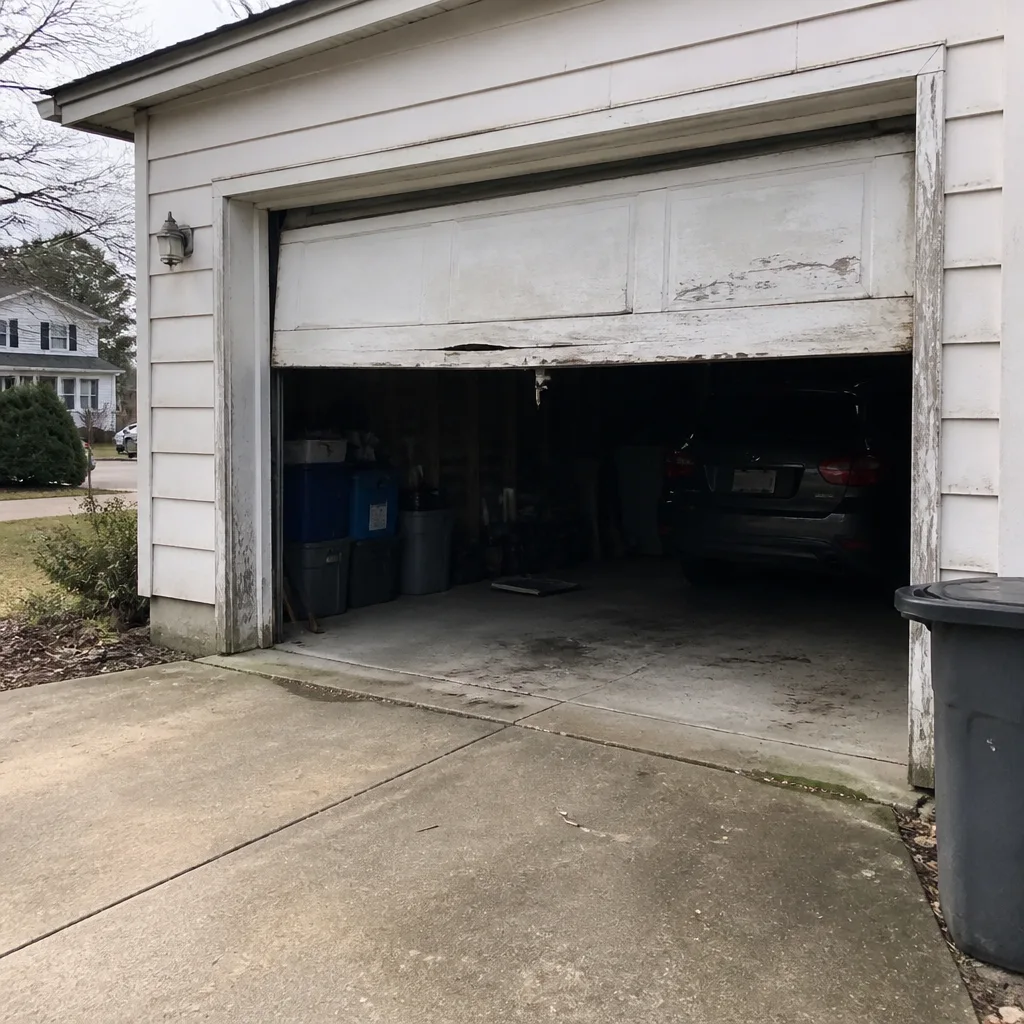 Before
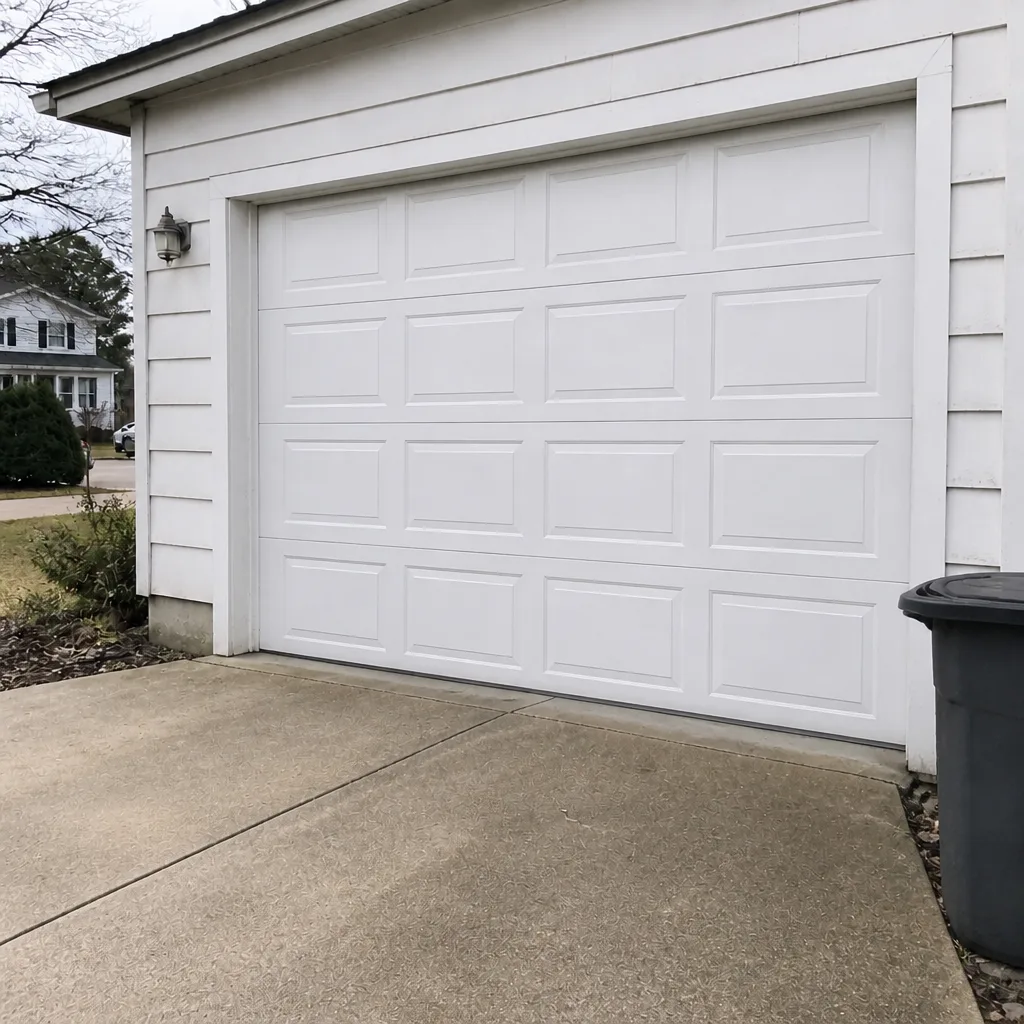 After
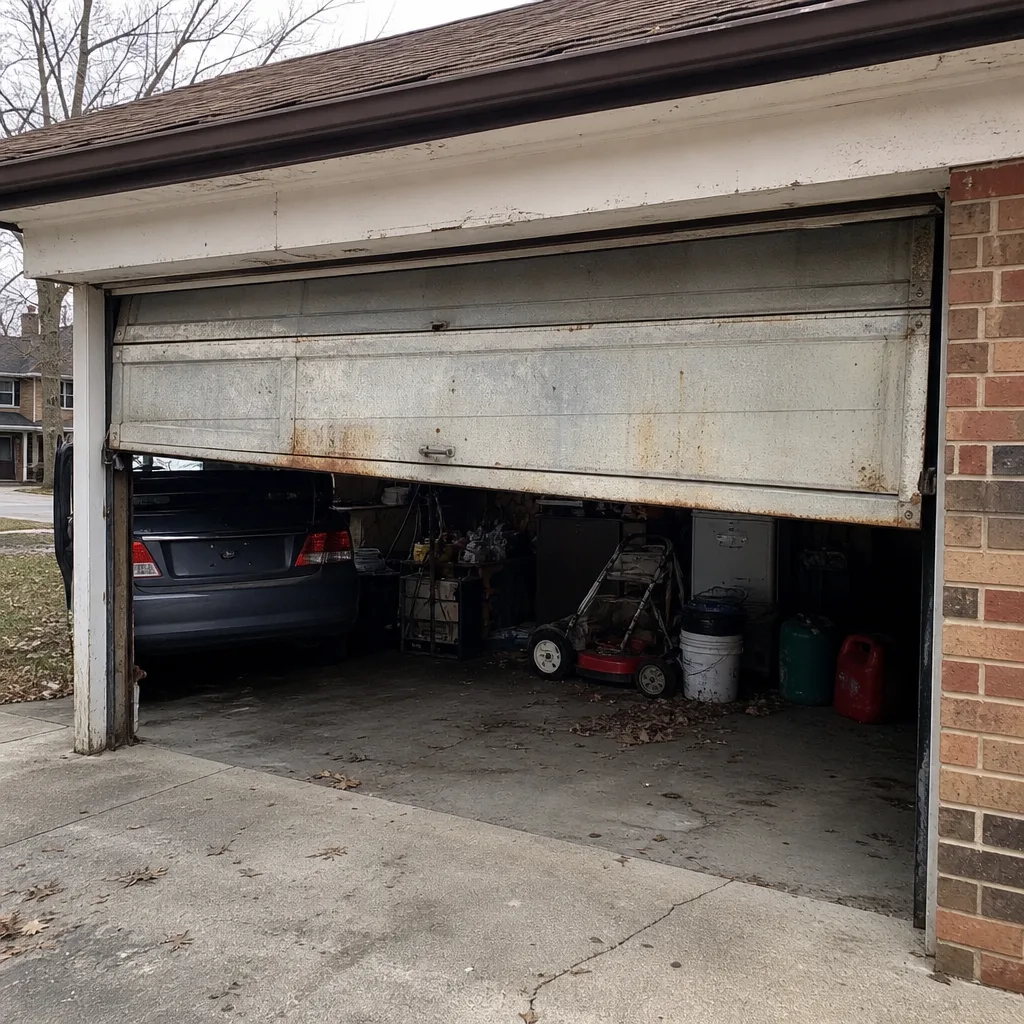 Before
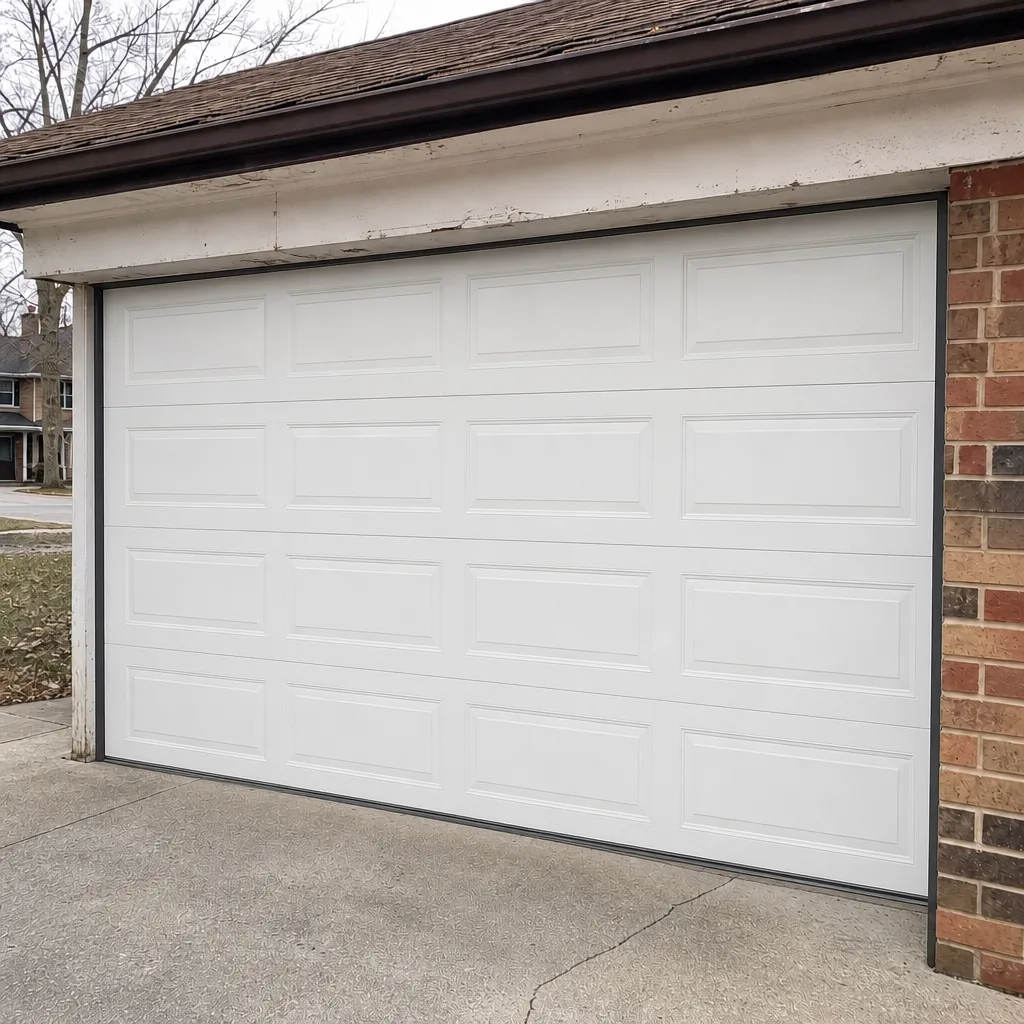 After
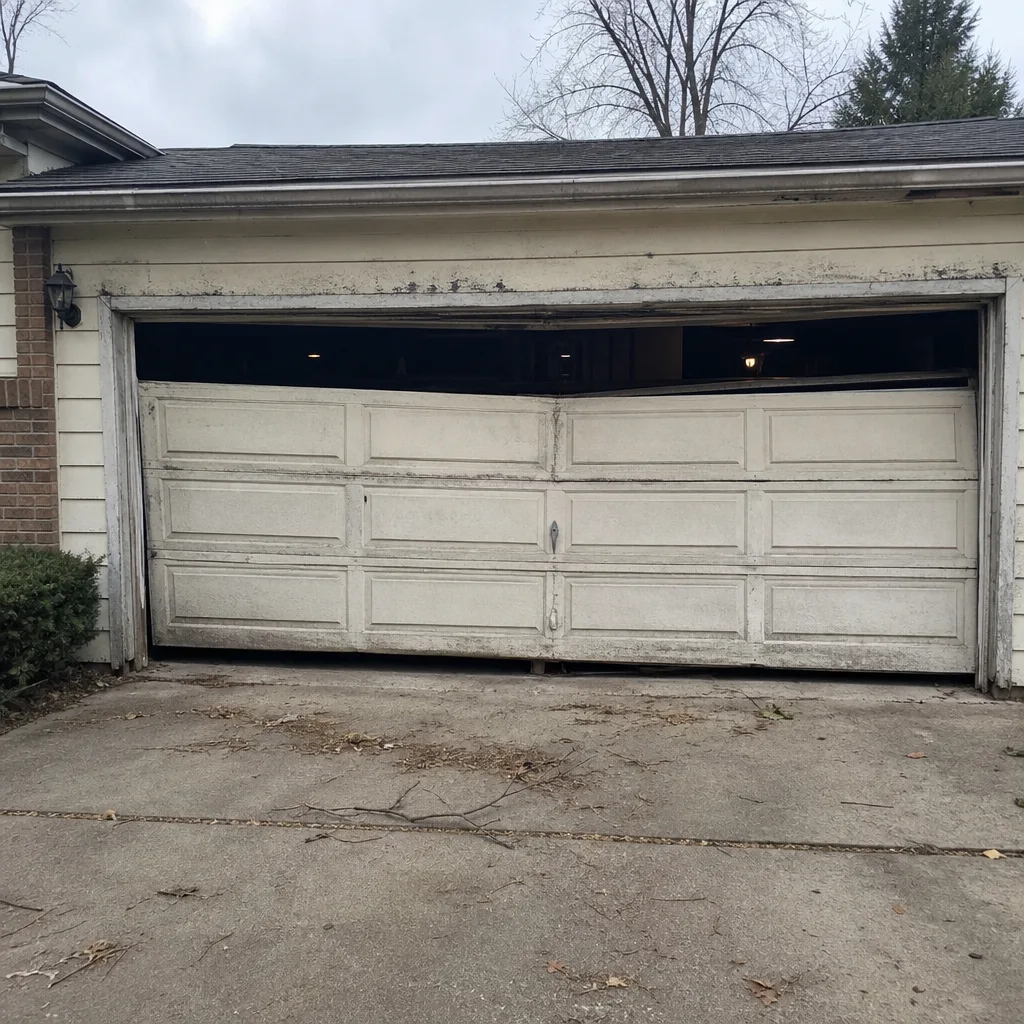 Before
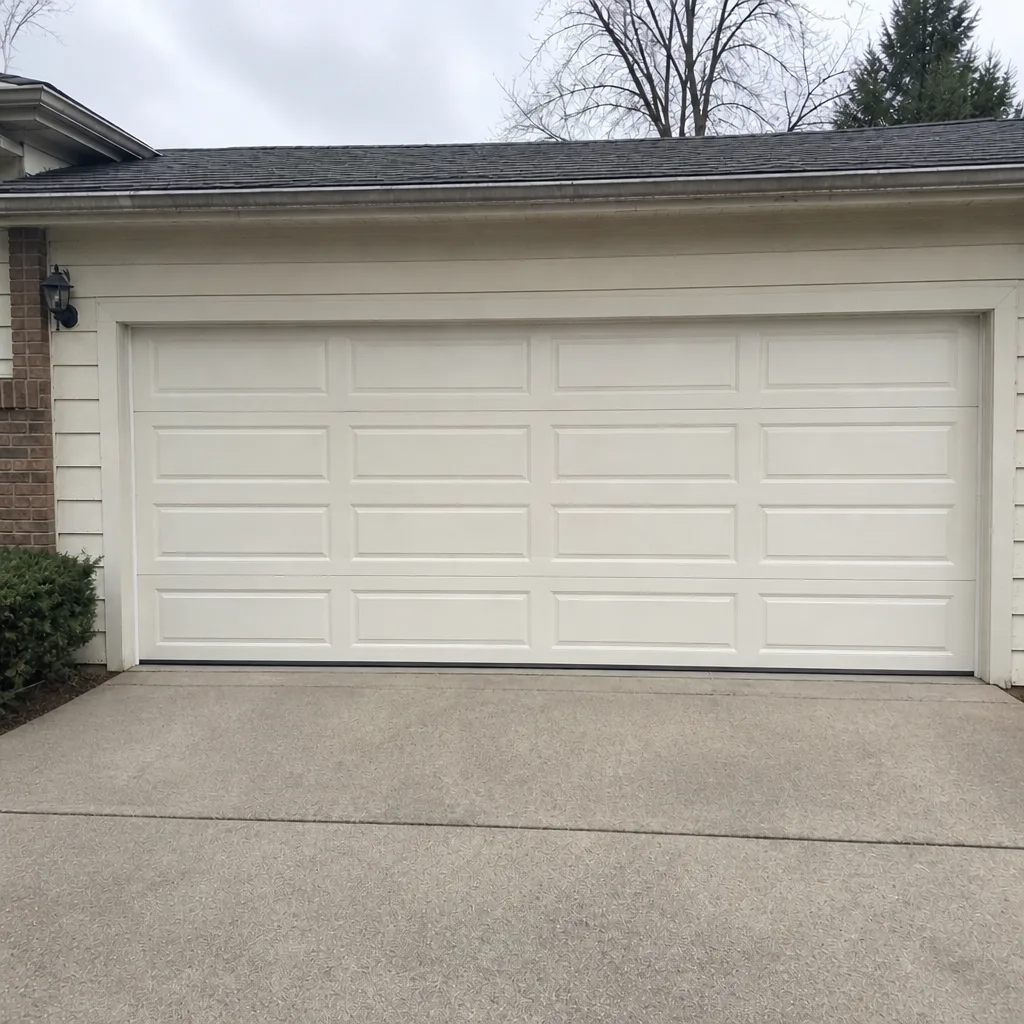 After
Common Mistakes to Avoid
- Waiting for the first freeze to inspect the bottom seal. By then the rubber has already hardened, and the gap may have let water in. Check it in October while there’s still time to replace it calmly.
- Hosing out the track in winter. It seems like a good way to clear grit, but water in a freezing track binds rollers and can crack the bottom seal. Sweep and wipe instead.
- Ignoring salt and grit on the track until spring. Salt accelerates corrosion on the track all winter. A regular sweep-out limits the damage.
- Trying to adjust torsion or extension springs yourself. This is the most dangerous part of any garage door. Springs hold enormous stored energy and can cause serious injury. Leave spring work to a trained professional.
- Skipping summer because “it worked fine in spring.” Heat fatigue on springs and circuit boards compounds quietly. A quick balance test and a listen to the opener in June catches it early.
- Replacing an opener when the door mechanism is the actual problem. A heavy door strains every opener. Check door balance first so you’re not paying to replace hardware that wasn’t the cause.
- Using a generic seal on a Clopay, Amarr or Wayne Dalton door. The wrong profile leaves gaps even when the seal is new. Match the part to the door’s actual model.
When to Call a Professional
Some seasonal tasks are easy to do yourself: clearing grit from the track, testing the safety reverse, watching a door cycle for binding. Others should go straight to a trained technician. Call a professional if the door is out of balance, if a spring looks worn or has stopped lifting the door properly, if the door won’t close flush or bounces back up, if the track is bent or pulled away from the wall, or if the opener runs but the door doesn’t move. Any of these point to a mechanical or electrical problem that a generalist shouldn’t touch, and springs in particular are genuinely hazardous.
Westwood Garage Door Repair Pros handles the full season of maintenance and repair under one roof, from a routine tune-up to a garage door installation when the door has reached the end of its life. Our technicians have up to 11 years of experience, and the local pro is licensed and insured as their state requires. Free estimates are available in Westwood, and the price is quoted and agreed before any work starts. Call (855) 337-1660. We answer 24/7. Fast dispatch from 7am to 7pm, Sunday through Friday.
Frequently Asked Questions
Replacing or restoring the bottom seal in October is the highest-value task of the year. A stiff, cracked or flattened seal lets water in under the door, and that water freezes against the threshold in winter, stressing the bottom edge every time the door opens. Check the seal in early fall, replace it if it’s brittle, and the coming freeze is far less likely to cause a gap or a stuck door.
Spring sticking is almost always alignment or grit. Winter pushes and pulls at the framing, and as temperatures rise the track can end up slightly out of square with the door’s travel, so the door binds partway up. Salt and sand from the roads also collect in the track and act as an abrasive. A full cycle check from ten feet back, plus a clean-out of the track, usually reveals the cause; call (855) 337-1660 for a free estimate if the door needs a realignment.
Yes, because summer is when spring fatigue and opener circuit board problems begin quietly. A door that worked in April can feel heavier in July, and older LiftMaster, Chamberlain or Craftsman openers often start glitching in heat before they fail outright. A hand balance test and a listen to the opener in early summer catches both while they’re still cheap to fix.
No. Torsion and extension springs store enormous energy and are the most dangerous component on any garage door. Adjusting or replacing them without training can cause serious injury. You can safely test whether the door is balanced by hand with the opener disconnected, but any adjustment or repair on the springs themselves should go to a trained technician.
Salt accelerates corrosion on the track and lower rollers far faster than ordinary humidity. Vehicles bring salt, grit and slush in on their tires, and that mixture settles at the bottom of the track all winter. A regular sweep or wipe-out, especially after a stretch of wet, salty roads, limits the damage before it turns into a rough-running or rusty track.
Yes, and it costs nothing. We quote the price per job and agree it in writing before any work starts, so you know the number before anyone touches the door. Seasonal tune-ups, seal replacement and repair are all quoted the same way. Call (855) 337-1660 for a free estimate. We answer 24/7, with fast dispatch from 7am to 7pm, Sunday through Friday.
The Bottom Line
Garage door care in Westwood isn’t four interchangeable to-do lists. It’s a sequence: seal before the freeze, clear the salt through winter, realign in spring, and check springs and openers in summer. Each task prevents a specific failure about 90 days out. Miss October and you’re more likely to be stuck in January. Skip June and a heat-fatigued spring or opener may fail in the hot months. One task a month, timed to the Westwood weather calendar, keeps the door and opener working together and keeps repair bills small. If any step turns up something beyond a quick fix, a free estimate is the smart next move.
Written by the team at Westwood Garage Door Repair Pros.
Ready to get ahead of the seasons? Call (855) 337-1660 for a free estimate. Westwood Garage Door Repair Pros handles seasonal service, repair and installation for the brands you already own. We answer 24/7, with fast dispatch from 7am to 7pm, Sunday through Friday.