
Last updated November 20, 2026
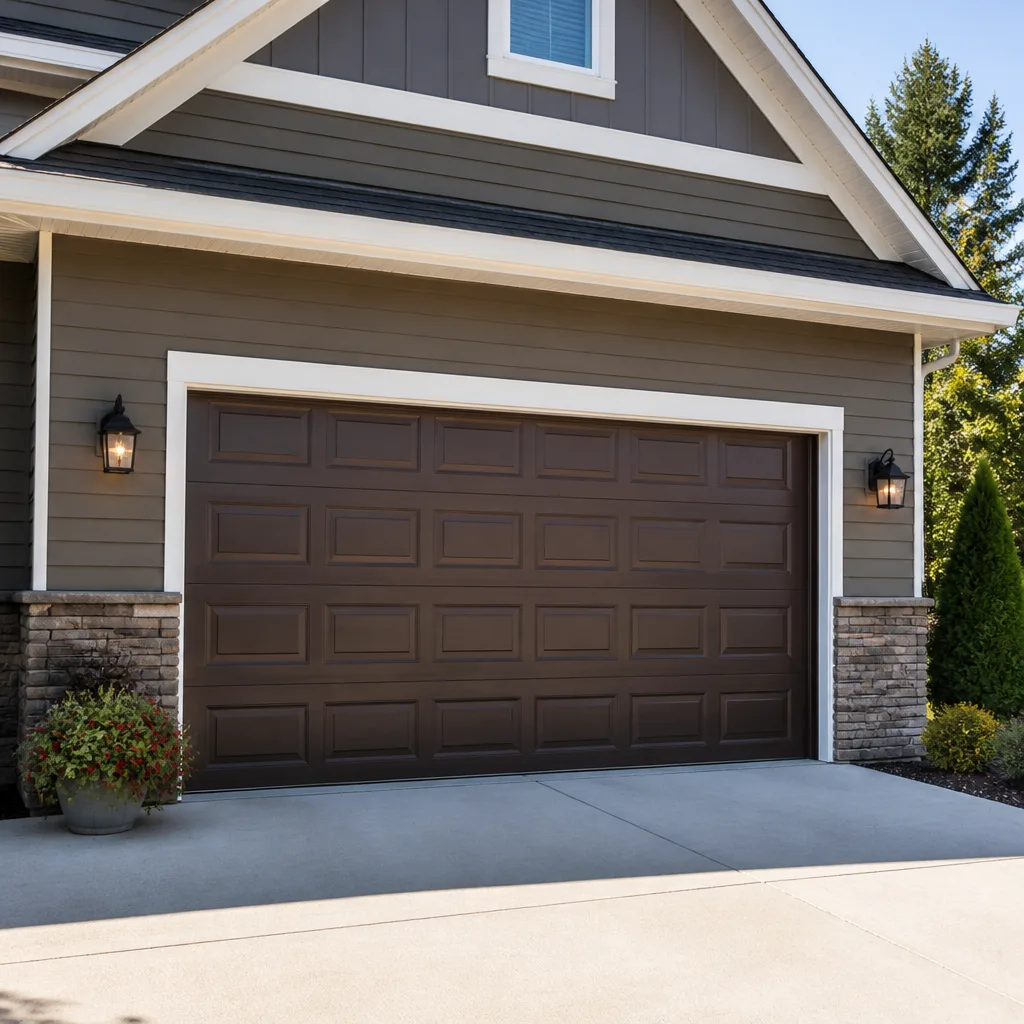 Raised-panel steel
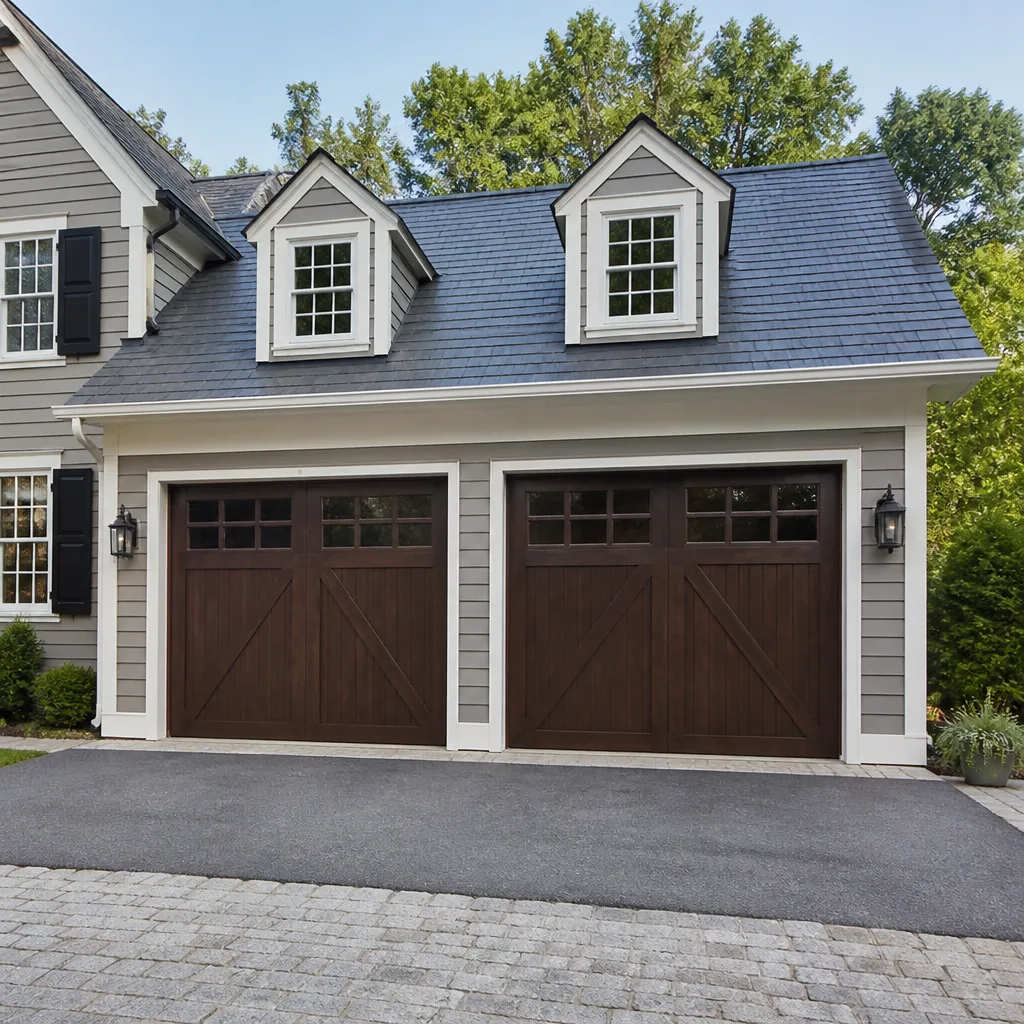 Carriage house
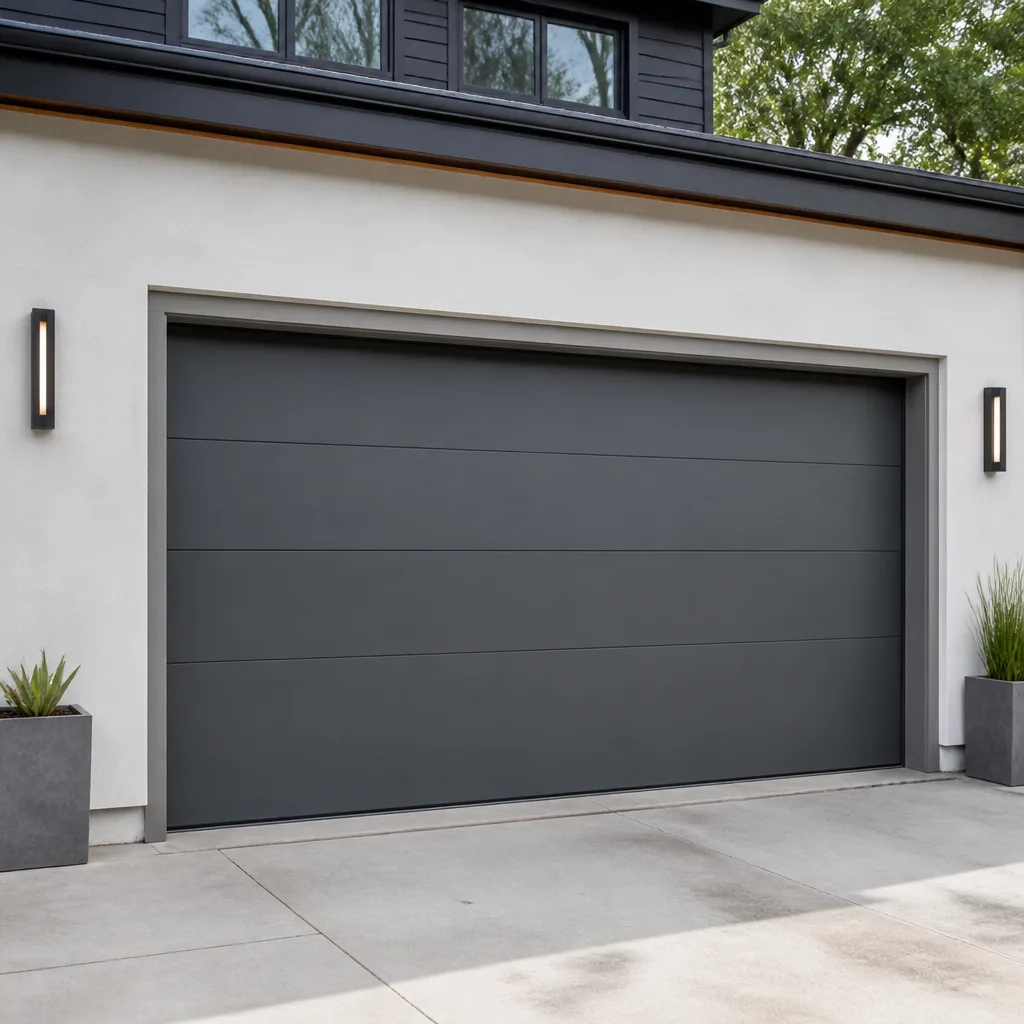 Modern flush
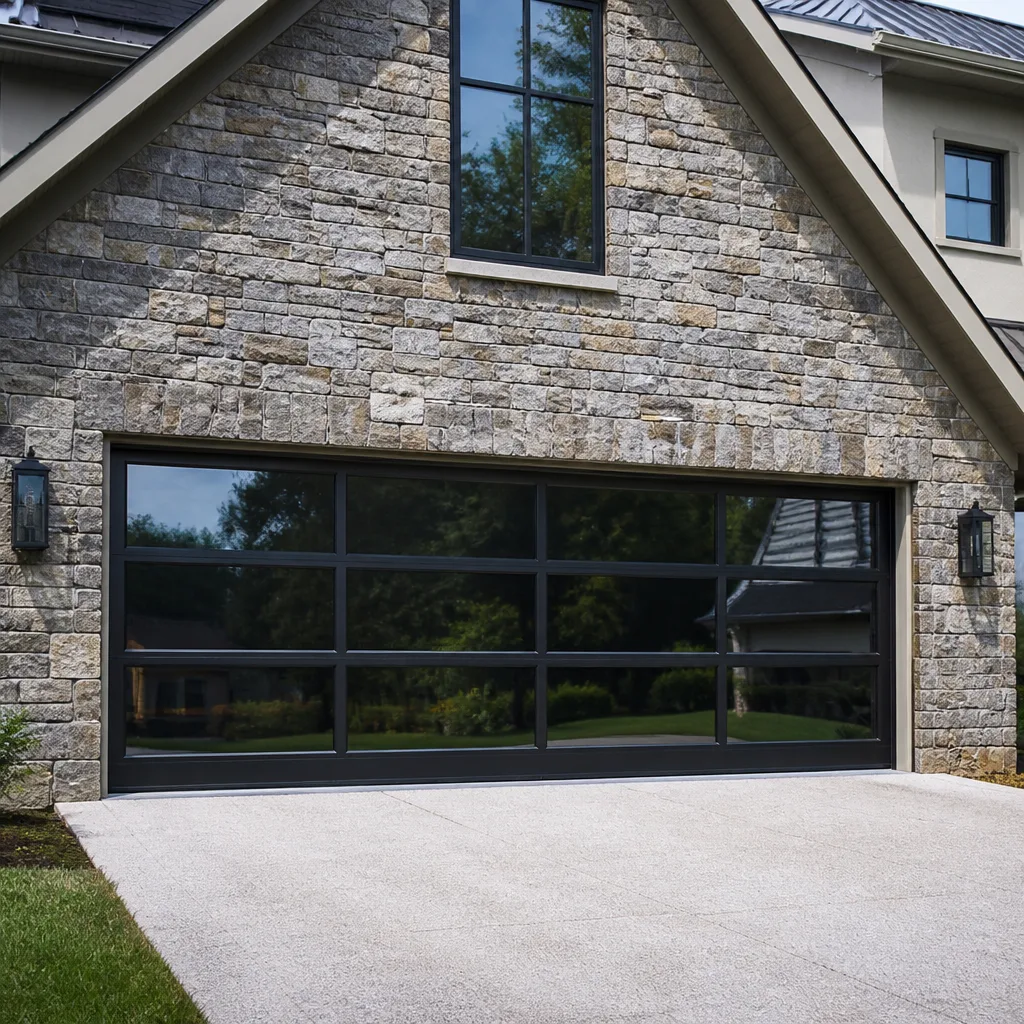 Full-view glass
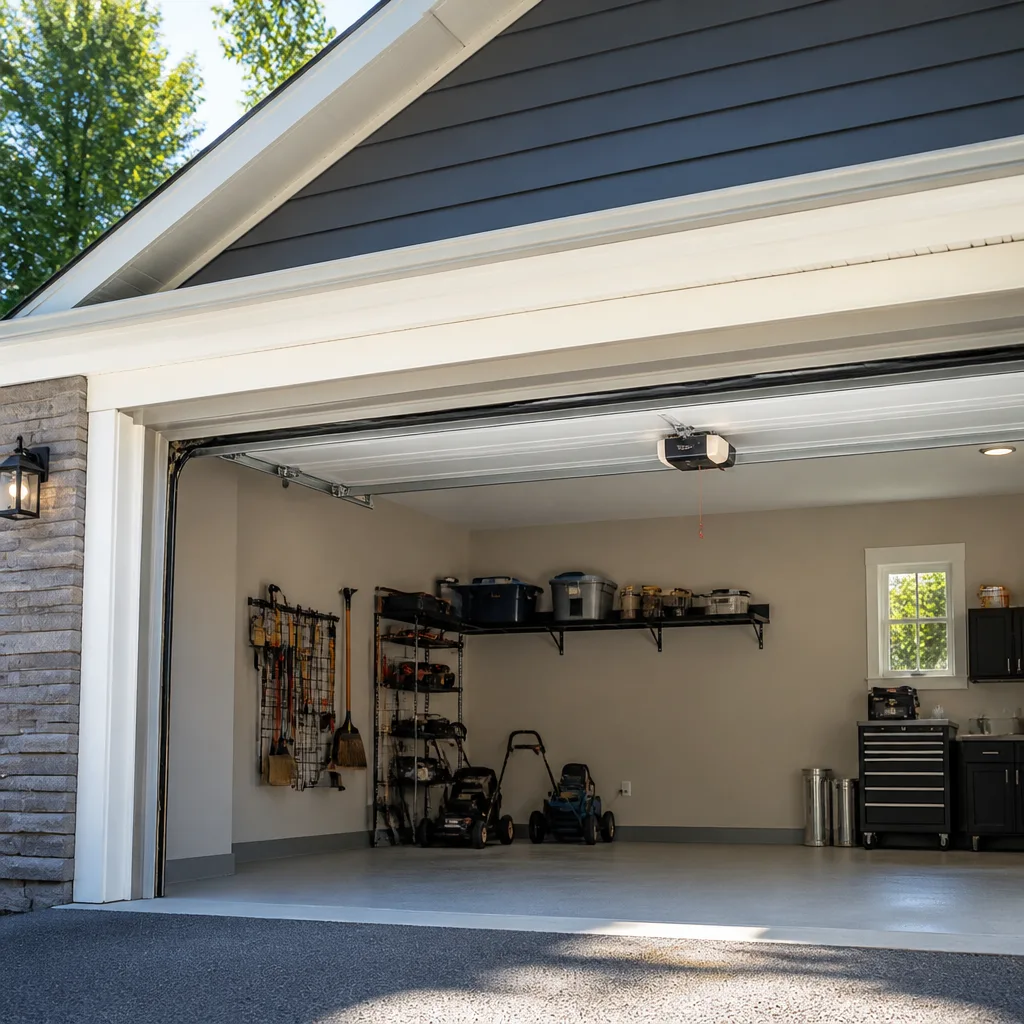 LiftMaster openers
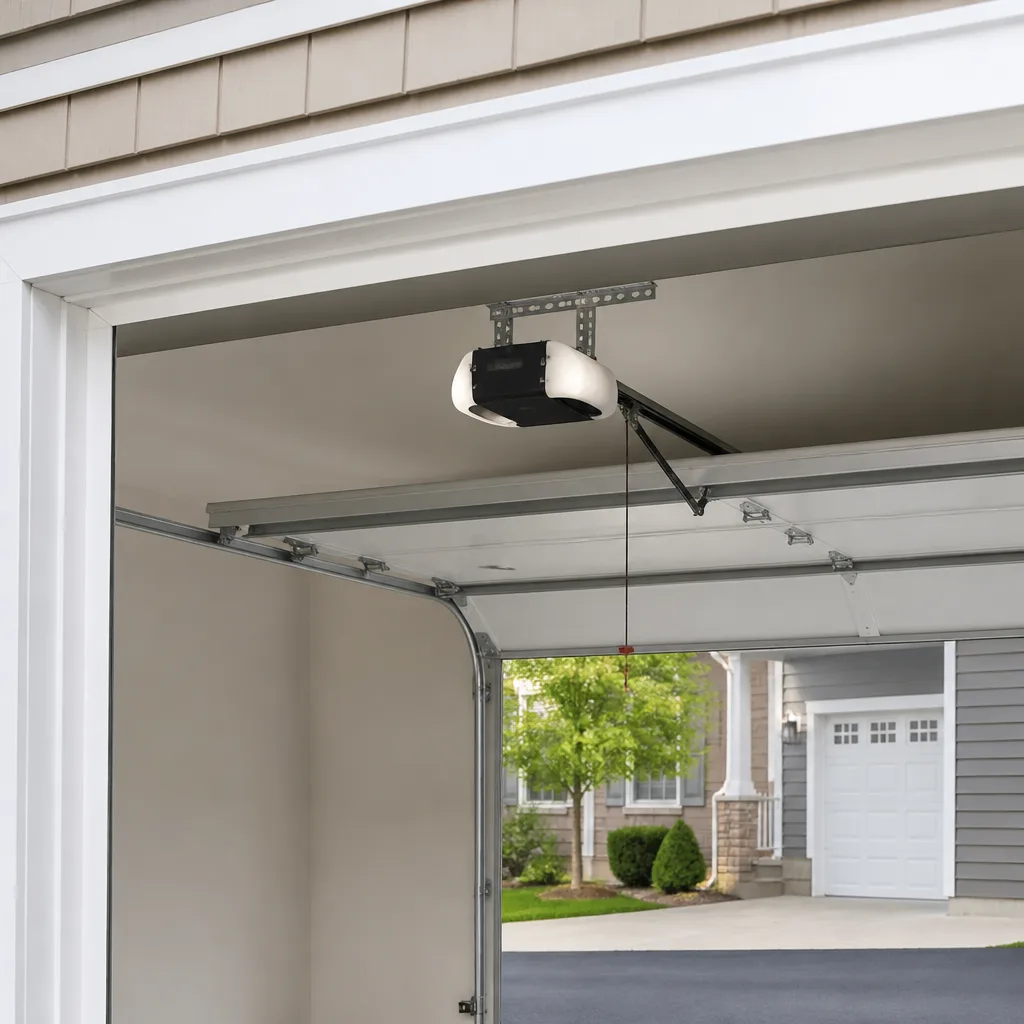 Chamberlain openers
Full 25-point door and opener safety check with every visit - springs, cables, rollers, tracks, and your LiftMaster or Chamberlain opener included
You get a price before we start. It does not change when the pro arrives.
Get your free estimateGarage Door Warning Signs: A Westwood Homeowner’s Reference Guide
A garage door that’s “just slow” and a garage door that’s “about to drop” can look identical to an untrained eye, and they call for completely different urgency. That’s the part most checklists miss. A symptom is not a diagnosis. What matters is tracing a sign back to the part causing it, so you know whether you’re looking at a loose cable roller that needs an adjustment or a torsion spring at the end of its life that needs replacing before the door comes down hard. This guide teaches you to read the sign, name the likely root cause, and judge urgency the way a technician does. We’ll walk through noise, movement, springs, cables, and openers in plain terms, with Westwood conditions in mind.
Quick Answer
The warning signs that demand same-day attention in Westwood are a snapped or visibly stretched spring, a frayed or hanging cable, a door that opens crooked from one side, and any door that slams or free-falls when the opener releases. Signs you can safely monitor for a short while include mild squealing, light rattling, a slightly louder opener motor, and slow closing speeds. Most other symptoms are mechanical wear that a technician can trace to a single failing part on a scheduled visit.
Styles & brands we work with
- Raised-panel steel
- Carriage house
- Modern flush
- Full-view glass
- LiftMaster openers
- Chamberlain openers
Table of Contents
- What the Four Noises Are Telling You: A Root-Cause Framework
- Reading Your Springs: Normal Wear vs. Imminent Failure
- Cable Warning Signs You Should Never Ignore
- Opener Strain or Mechanical Drag: How to Tell the Difference
- Why a Crooked Door Is More Urgent Than a Slow One
- The 24-Hour Rule: Which Signs You Can Monitor
- Seasonal Warning Signs in Westwood: What the Weather Does to Your Door
- Common Mistakes to Avoid
- When to Call a Professional
- Frequently Asked Questions
What the Four Noises Are Telling You: A Root-Cause Framework
Noise is the earliest warning a garage door gives, and it’s also the one homeowners most often dismiss. “It’s always been a little loud” is how small wear becomes a snapped spring. Here’s the useful thing: each noise type points to a specific family of parts, so you can stop guessing and narrow it down.
Grinding
Grinding is metal on metal, and it usually means a roller or hinge is worn past its bearing and rubbing directly against the track, or the torsion tube is dry and biting into its center bearing. In Westwood’s cold months, a dry bearing grinds harder than it did in summer. Grinding tends to get worse over weeks rather than hours, but it accelerates wear quickly, so it should be looked at soon rather than “when it finally breaks.”
Squealing
A high-pitched squeal almost always traces back to a worn roller (steel rollers squeal loudest), a dry torsion spring coil, or a hinge that’s lost its lubrication. Squealing is the loudest of the early warnings and rarely urgent on its own. The catch is that a squeal can hide a spring that’s already cracked under the coils, which is why visual inspection matters as much as ear.
Popping
A sharp pop, especially a single loud one, is a genuine red flag. It usually means a torsion spring is slipping on its shaft or one of its coils has cracked through. If you hear a pop and the door stops opening, that cracked spring is the cause. Don’t force the door; a broken torsion spring puts the door’s full weight on the opener, which can snap cables and distort the panel.
Rattling
Rattling on travel is loose hardware: bolts backed off, tracks out of alignment, or a hinge that has worked loose from the panel. It’s the most common noise and the least dangerous, but a rattling track left alone will eventually let a roller jump the rail, which turns a simple tighten into a full track reset.
- Grinding → worn roller, dry torsion bearing. Scheduled, soon.
- Squealing → worn roller or dry spring. Monitor, then service.
- Popping → cracked or slipping spring. Same-day.
- Rattling → loose hardware or misaligned track. Scheduled.
If you can faithfully describe which of these four you hear, you’ve already helped narrow the repair category before anyone arrives. That’s exactly the kind of head start our garage door repair technicians work from, and it’s why we ask about noise first when you call.
Reading Your Springs: Normal Wear vs. Imminent Failure
Springs are the most dangerous part of any garage door, and they deserve the most careful reading. A torsion spring sits horizontally above the door and lifts the full weight; an extension spring runs along the sides and does the same job by stretching. Both are wound under enormous tension, and both fail in ways you can often spot before they break.
Normal wear looks like this: the coil is intact, the paint is scuffed or slightly dull, and the door still balances halfway up. Imminent failure looks different, and here are the physical signs to check by eye, never by touch:
- A visible gap in the coil. A torsion spring that has cracked shows a clean horizontal gap in the wind. Once you see it, the spring has already failed or is seconds from it.
- Stretched extension springs. An extension spring that has lost its stretch sits longer than the day it was installed and sags when the door is down. That’s fatigue, and the next lift is a risk.
- A door that balances nowhere near the middle. A healthy door should sit happily around half-height with the opener released. If it drops fast or refuses to balance, the spring is under- or over-tensioned, which means it’s working too hard.
- Scrape marks along the spring coil. These often show a spring rubbing on its shaft or collar, a sign of misalignment that puts extra tension where it doesn’t belong.
One important note before you touch anything: springs are wound to lift several hundred pounds of door, and a release under tension is severe enough to cause serious injury. This is a trained-professional job, not an afternoon project. Our technicians handling torsion and extension work is exactly what we mean when we say spring repairs are the calls we take most seriously: we know how to read a spring’s condition and shut it down safely.
What a Spring Repair Actually Costs to Think About
Understanding cost helps here, because a spring replacement and a spring adjustment are two different jobs. In our experience, most Westwood homeowners arrive confused about whether they need a fix or a full replacement, and that confusion is where unnecessary upsells creep in. A cracked spring is a replacement, always; a spring that’s intact but over-tensioned may be an adjustment. If you can tell which you have, you’re already ahead of the conversation. You can read how our garage door repair process handles spring replacements on our service page.
Cable Warning Signs You Should Never Ignore
Cables are the unsung partner to springs. They route the door’s lift force to the bottom brackets and keep the door tracking straight, and a cable failure is the single most common cause of a door that jumps its track or comes down at an angle. The good news is that cables give you physical warning signs you can spot without a ladder.
Look along the cable where it passes over the drum at the top of the door and down the side track. A healthy cable is smooth and uniform. A failing one gives you these signs:
- Fraying. Split strands poking out of the wrap look like a frayed rope. This is a clear sign the cable is close to snapping, and it’s a same-day call.
- A hanging or slack cable. If the cable dangles loose when the door is down, it’s come off its drum. Do not operate the door, because the other cable may still be under tension and the door can come down on one side.
- Uneven cable tension. One side tighter than the other is a sign of a drum problem or a stretched cable, and it will cause the door to rise crookedly.
- Rusty or kinked spots. Sharp kinks and heavy rust weaken the strand and are early warnings, not normal wear.
Cables, like springs, are under tension and should never be adjusted by a homeowner. The safe move when you see a frayed or hanging cable is to leave the door down, leave the opener alone, and call for same-day service. We answer 24/7, and a door with a compromised cable is exactly the kind of failure that gets booked into the next dispatch window rather than pushed to next week.
One reason we can move fast on cable work in Westwood is brand familiarity. When the opener is a LiftMaster or a Chamberlain, we already know how the drive and rail are built, which helps us isolate whether the problem is cable tension or track drag before we arrive.
Opener Strain or Mechanical Drag: How to Tell the Difference
This is the single distinction that changes the repair category and the cost more than any other: is your opener working too hard, or is the door making it work too hard? These two look similar from the driver’s seat and are nothing alike underneath.
A door with mechanical drag has a binding problem in the door itself: a crooked track, a worn roller, a misaligned hinge, or a cable out of balance. The opener is fine, but it’s pushing against resistance that shouldn’t be there. A door with opener strain has a problem in the drive unit: a stripped gear, a failing motor, a limit switch out of adjustment, or a worn belt. The door may be perfectly balanced, but the opener can’t lift it efficiently.
Here’s how to tell them apart before you call:
- Release the opener. Pull the manual release cord (with the door fully down) to disconnect the door from the drive. Lift the door by hand. If it moves smoothly and balances near halfway, the door is healthy and the problem is the opener.
- Lift the door by hand with the opener attached. If it’s heavy, binds, or pulls to one side, the drag is mechanical and the opener is a victim, not the cause. A door that needs a strong pull to lift is dragging.
- Listen to the motor. A motor that hums but doesn’t move is a stripped gear or a dead capacitor, an opener issue. A motor that runs and the door barely moves is drag.
- Watch the chain or belt. Slack in the chain, or a belt that sags, points to the opener drive and may be a simple tension or replacement job.
The reason this matters is that fixing drag with a new opener is like putting a stronger engine in a car with a dragging brake. The new unit works hard, wears out early, and the door is still unhealthy. Diagnosing the real cause first is what our garage door opener repair visits are built around, and it’s why we handle the opener and the door system together rather than sending you between two contractors. We work on the brands most Westwood homes already have, including Genie and Chamberlain, so parts and diagnosis aren’t guesswork.
Why a Crooked Door Is More Urgent Than a Slow One
Homeowners rank a door that opens slowly as more worrying than a door that opens slightly crooked. The truth is the reverse. A slow door is usually a tired opener or dry rollers, which is annoying but stable. A crooked door is a structural imbalance, and it compounds with every cycle.
When a door rises crooked, one side is traveling faster than the other. That happens because of:
- One cable tighter than the other, or a cable off its drum.
- A broken spring on one side of a two-spring setup (one side is now carrying the whole door).
- A roller that has jumped the track or a track that’s out of plumb.
- A bent or cracked panel taking the door out of square.
Any of these can, within a few cycles, cause the door to jam in the track, snap a cable, or drop hard onto one side. A door that’s out of level by more than a couple of inches is a same-day repair, not a “watch it” item. And a door that’s crooked because one spring is broken should not be forced up with the opener at all; the door’s full weight is on a system that wasn’t built to carry it.
In our experience, the crooked door is the one Westwood homeowners regret waiting on. The initial problem is usually a single part, a cable or one spring, and the secondary failure is a bent panel or a decapitated track that turns a small repair into a much bigger one. The 24-hour rule below is how to sort the urgent from the “when it’s convenient.”
The 24-Hour Rule: Which Signs You Can Monitor
Not every warning sign is an emergency, but a few are. The 24-hour rule is a simple triage: if the sign means the door could fall or has already lost its support, you’re in the same-day camp. If it means wear that will worsen gradually, you can monitor it for a day or two while you book a visit.
Safe to monitor for a short while (book a scheduled visit)
- Mild squealing or squeaking on travel.
- Light rattling or a loose bolt you can identify.
- A slightly louder motor than usual.
- A door that closes a little slower but stays level.
- A single remote that works intermittently (battery or pairing, most likely).
Same-day service (do not keep cycling the door)
- A cracked or visibly broken spring.
- A frayed, hanging, or off-drum cable.
- A door that rises crooked or out of balance.
- A door that slams or free-falls when released.
- A loud pop followed by a door that won’t lift.
- A door that has jumped its track entirely.
If you’re on the fence, err on the side of same-day. Call (855) 337-1660 and describe what you see. We answer 24/7, and a call outside dispatch hours is booked into the next opening, Sunday through Friday, 7am to 7pm. If your door fails on a Saturday, call and we’ll book you for Sunday. Same-day and emergency service is the reason we keep the phones live around the clock.
Seasonal Warning Signs in Westwood: What the Weather Does to Your Door
Garage doors in Westwood live through real seasonal swings, and the way they fail follows the calendar. That’s not a sales pitch; it’s a way to know what to check in each stretch of the year.
In the colder months, metal contracts and lubricants thicken. That’s when dry bearings grind louder, torsion springs get brittle, and a door that ran fine in fall suddenly feels heavy. The classic cold-morning warning is a door that lifts halfway and stops; a stiff spring or a thickened track can cause that, and it’s worth a quick visual check before you book.
In the warmer months, expansion is the story. Tracks can bow slightly, gaps at the panel seams open, and wooden doors swell with humidity. That’s when roller squeal and rattling become more common, and when a slightly misaligned track starts letting rollers pop out. Westwood’s heat also stresses opener motors, which run hotter when the door drags, so the drag diagnosed above matters more in summer than winter.
Rain and the freeze-thaw cycle are what wear the bottom seal, and a worn bottom seal lets water onto the floor, which is the one thing garages in this part of Ohio aren’t built for. A hard, cracked seal that no longer touches the floor is a warning sign that the door’s closure has changed and should be checked.
You don’t need to certify code or cite a rule to check any of this. Just look, listen, and watch the door’s travel once a month. A five-minute walkaround in May and November catches most of what the seasons will throw at it.
The Diagnostic Checklist: Walk Around Your Door Once a Month
This is the practical part. The checklist below is a general inspection, not a repair procedure, and it’s read-only. You never need a ladder, and you never touch tension parts.
- Look at the springs. Note a gap in the coil, a sag, or scrape marks. Do not touch or adjust.
- Trace the cables. Look for fraying, kinks, or a cable that hangs loose.
- Watch the travel. Open and close the door once from the wall button and watch for crooking, slamming, or a jolt at the top.
- Listen to the noise. Name it: grinding, squealing, popping, or rattling.
- Check the bottom seal. A hard, cracked, or gapping seal means the door’s closure has changed.
- Test the safety reversal. Put a roll of paper towel under the closing door; it should reverse. If it doesn’t, the safety system needs a professional look.
- Watch the opener. Note a motor that hums without moving, a chain or belt that sags, or a light that flickers.
Write down what you see. A one-line note (“squeal on lift, door balances at half-height, left cable seems tighter”) is a better service call than “it’s making a noise.” That specificity is what our technicians build a diagnosis on, and it’s what lets us quote instead of guess.
If a check turns up a problem in the opener itself, the fix may be a repair or, in older homes, a full upgrade. Full upgrades fall under garage door installation, and the same diagnostic first-step applies: name the cause, then decide.
Why Brand Familiarity Shortens the Diagnostic Step
Diagnosis is faster and more accurate when the technician already knows the hardware on your door. A LiftMaster and a Genie don’t share the same drive design or limit-switch logic, and a Clopay panel and a Wayne Dalton door don’t fail the same way at the seams. Familiarity with the drive and the door means a technician can skip the “what am I looking at” phase and go straight to the cause.
We work on the brand you already have, and that’s deliberate. It means the diagnosis isn’t an excuse to sell you a new system, and it means parts sourcing happens first time. The list is specific: LiftMaster, Chamberlain, Genie, Clopay, Amarr, Wayne Dalton, Craftsman, and Raynor. Our technicians have up to 11 years of experience, and the faster part of their work is the diagnostic step, because it’s the same door and opener families from call to call.
For Westwood homeowners, that can mean the difference between “we think it’s the opener, let’s try replacing it” and “the opener is fine, the drag is a misaligned track.” That’s the information gap this guide exists to close. The technician’s answer should match your own read from the checklist above.
Common Mistakes to Avoid
- Replacing the opener to fix a dragging door. If the door binds on its own, the opener isn’t the problem. A new unit pushes harder against the same drag and wears out early; fix the door first.
- Forcing a crooked door up with the opener. A crooked door means one side is unsupported. Running the opener loads the remaining spring and cable and can bend a panel or drop the door.
- Touching the springs with a wrench. Torsion and extension springs are the same parts that make this a specialist job. Every spring repair goes to a trained technician; no “quick adjustment” by the homeowner.
- Waiting out a sharp pop. A popping spring has usually already cracked. If the door won’t lift after a pop, leave it down and call; cycling it damages the opener and the panels.
- Ignoring a frayed cable because the door still works. A frayed cable is close to failing, and when it does the door comes down on one side. A same-day call is cheaper than a track and panel replacement.
- Assuming slow and unsafe are the same. A slow door is stable; a crooked one is not. Measure the urgency by unevenness, not speed, in Westwood and anywhere else.
- Diagnosing by ear alone. Noise tells you which family of parts to look at, but a dry squeal can hide a cracked spring. Pair the listen with the visual spots in the checklist.
When to Call a Professional
Call a professional the moment you see a cracked spring, a frayed or hanging cable, a door that lands crooked, or a door that free-falls when released. This is specialist work, and it needs to be. You’re also well served to call when a door that once ran quietly now grinds, squeals, or stops shy of the top, because all of those are traceable to a single part and worth resolving before a second part follows. Our technicians handle both the mechanical door and the opener system in one visit, so you’re not moving between contractors. Westwood Garage Door Repair Pros offers free estimates in Westwood, and the price you’re quoted is agreed before any work begins. Call (855) 337-1660. We answer 24/7, with fast dispatch from 7am to 7pm, Sunday through Friday.
Frequently Asked Questions
The most common signs are a door that opens crooked, a sharp popping noise on travel, frayed cables, a visible gap in a torsion spring, and an opener motor that strains or hums without moving. Any of these should prompt a call. The crooked door and the cracked spring are the two that most often precede a secondary failure, so treat them as same-day. Call (855) 337-1660 for a free estimate.
A slow garage door is usually not dangerous; it’s typically a tired opener, dry rollers, or cold-weather stiffness. The danger lies in a door that opens unevenly, which means one side has lost its support. If your slow door stays level, you can book a visit; if it’s crooked, don’t cycle it, and call us for same-day service.
Yes, for mild squealing, light rattling, a slightly louder motor, or a door that closes a bit slower while staying level. No for a cracked spring, a frayed or hanging cable, a crooked door, or a door that slams. Those are same-day signs, and leaving them means risking a bent panel, a snapped cable, or worse.
Pull the manual release with the door fully down, then lift the door by hand. If it moves smoothly and balances near halfway, the door is healthy and the problem is in the opener. If it’s heavy, binds, or pulls to one side, the door is dragging and the opener is working against resistance. Bring us the answer and we’ll quote the right category of repair. Call (855) 337-1660 to set up an estimate.
We answer 24/7. A call outside dispatch hours is booked into the next opening, Sunday through Friday, 7am to 7pm. If a door fails on a Saturday, call and we’ll book you for Sunday. If you have a frayed cable or a broken spring, leave the door down and call before cycling it again.
No. The price is set per job by the written estimate, quoted and agreed before any work starts. That’s why our first step is diagnosis: once the cause is named, the estimate covers the repair and you decide whether to proceed. The estimate itself is free. Call (855) 337-1660 with what you’ve seen and heard.
The Bottom Line
Warning signs are a message, not a countdown. A grinding roller, a squealing spring, and a crooked door all look like “the garage,” but they point to different parts, different repair categories, and different urgency. The skill is reading the sign and tracing it to its root cause before anyone quotes a job. A cracked spring, a frayed cable, or a door that lands unevenly is a same-day call. A slow, level door is one you can book. When you’re ready for a real diagnosis, our technicians bring up to 11 years of experience to the door and the opener in one visit. Westwood Garage Door Repair Pros is a garage door specialist, not a handyman service, and we work on the brand you already have. Call (855) 337-1660 for a free estimate. We answer 24/7, with fast dispatch from 7am to 7pm, Sunday through Friday. Visit our Westwood Garage Door Repair Pros page for the full service picture.
Written by the team at Westwood Garage Door Repair Pros.
See the difference
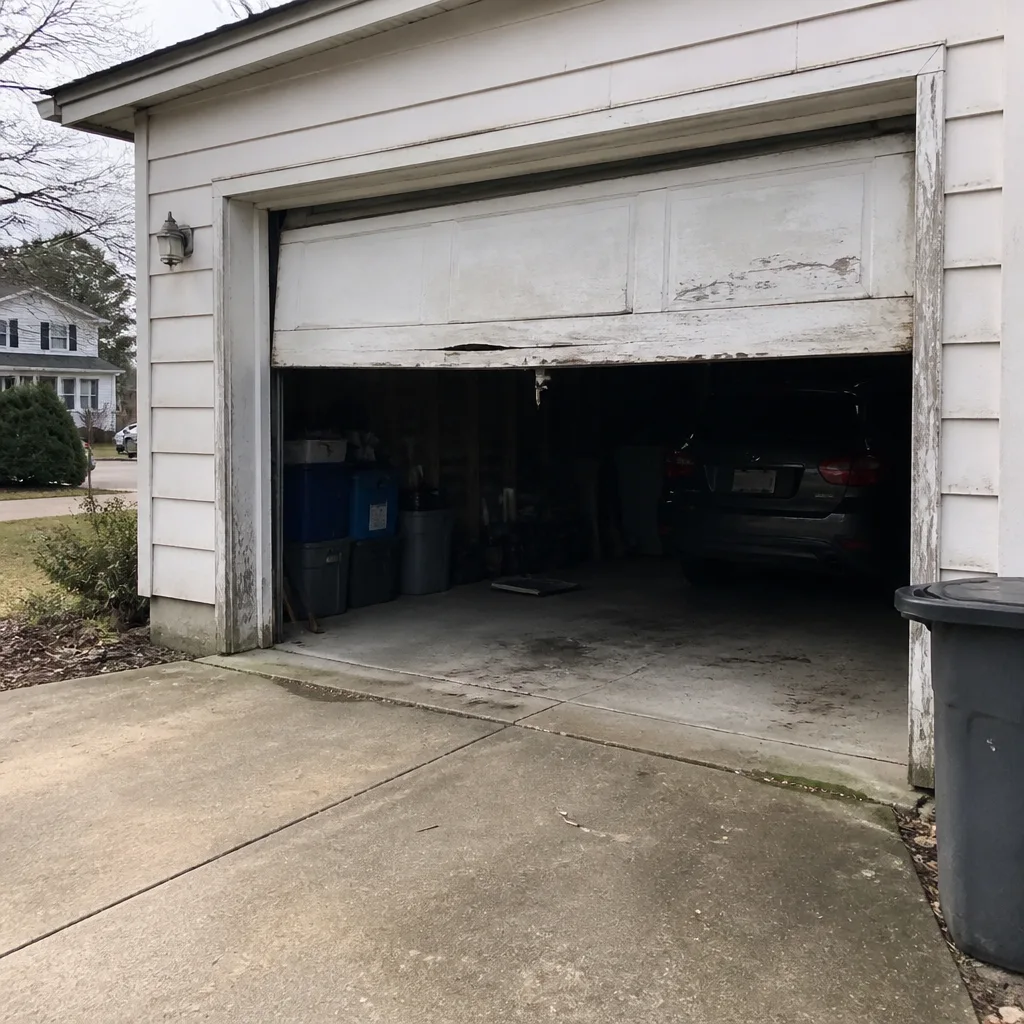 Before
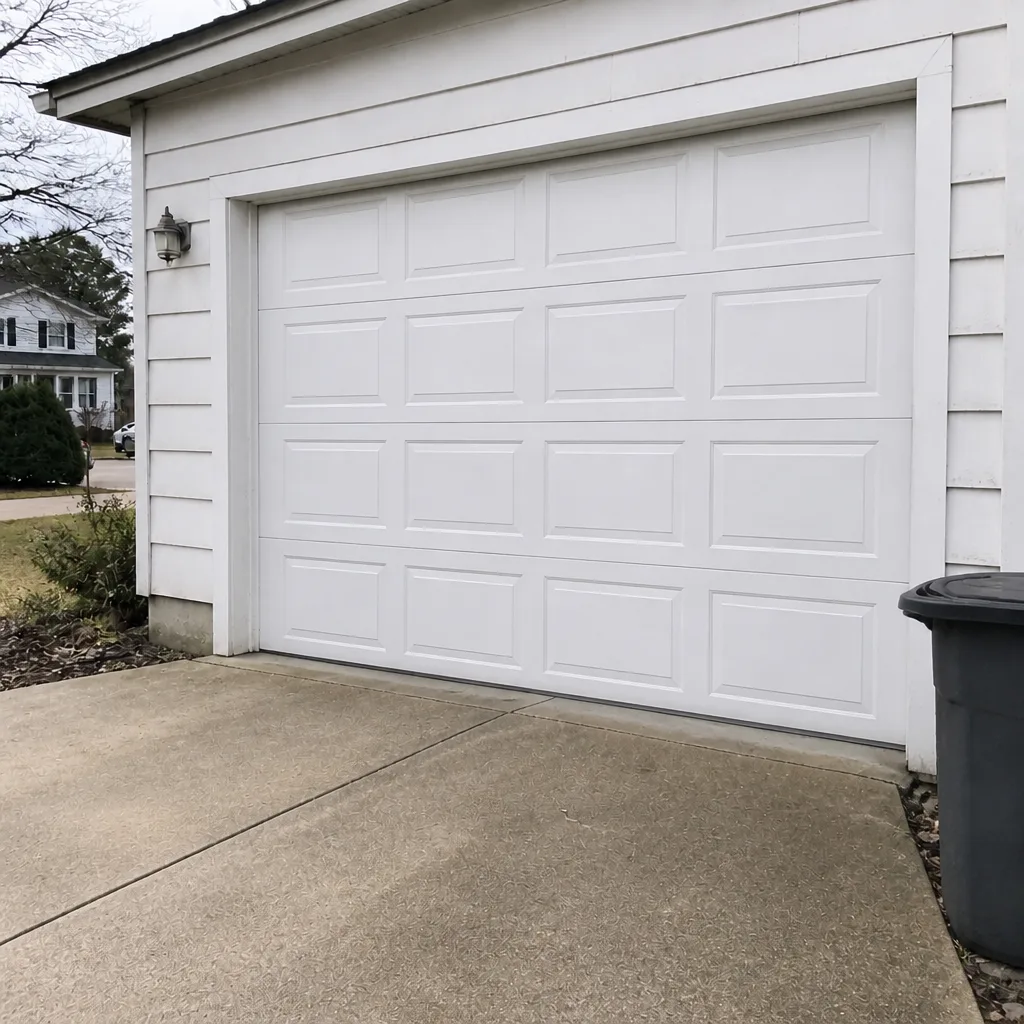 After
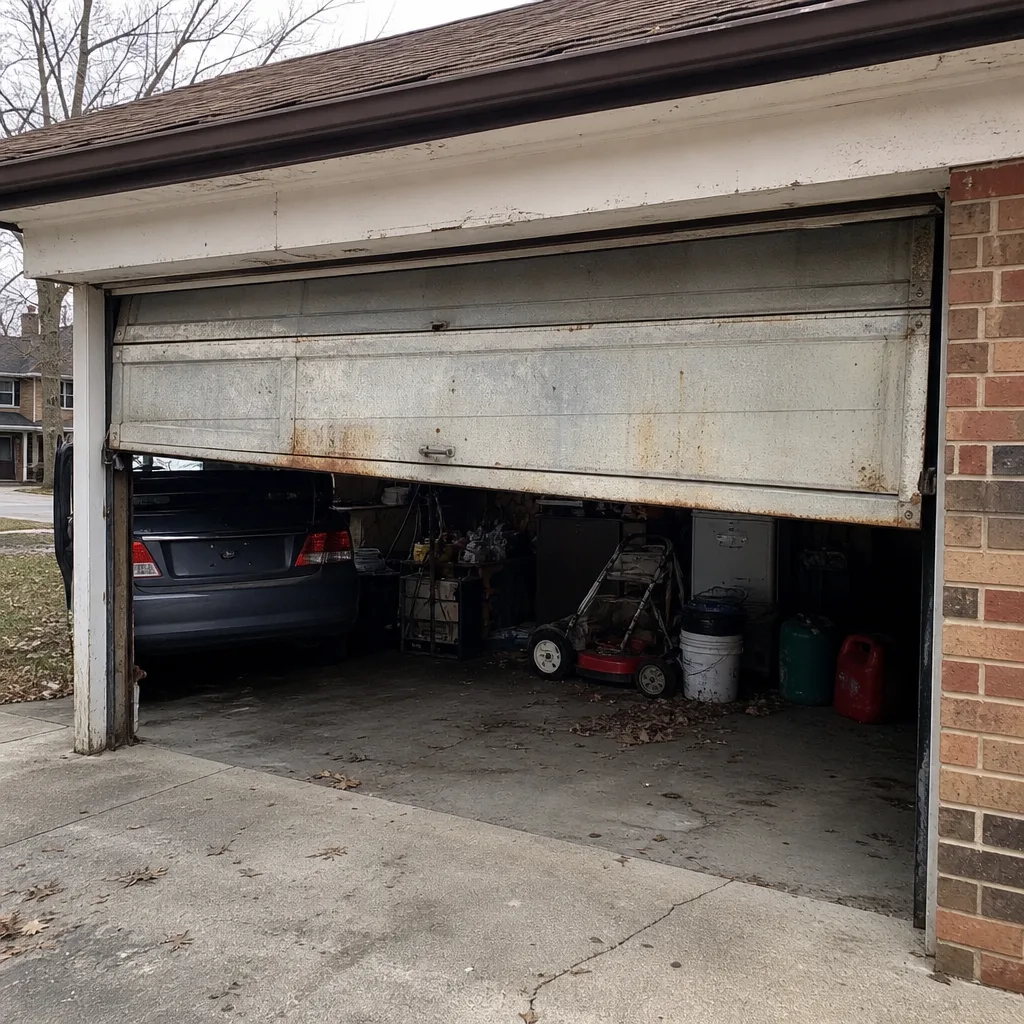 Before
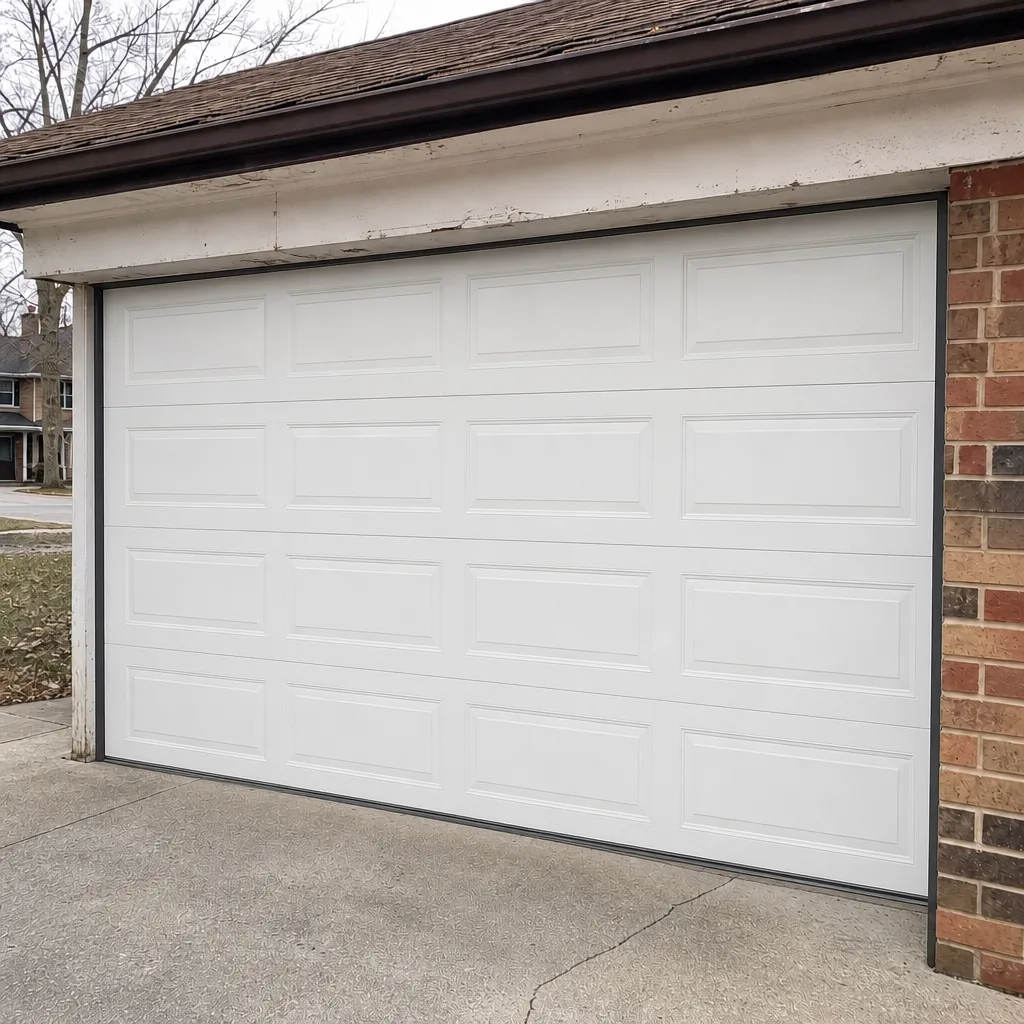 After
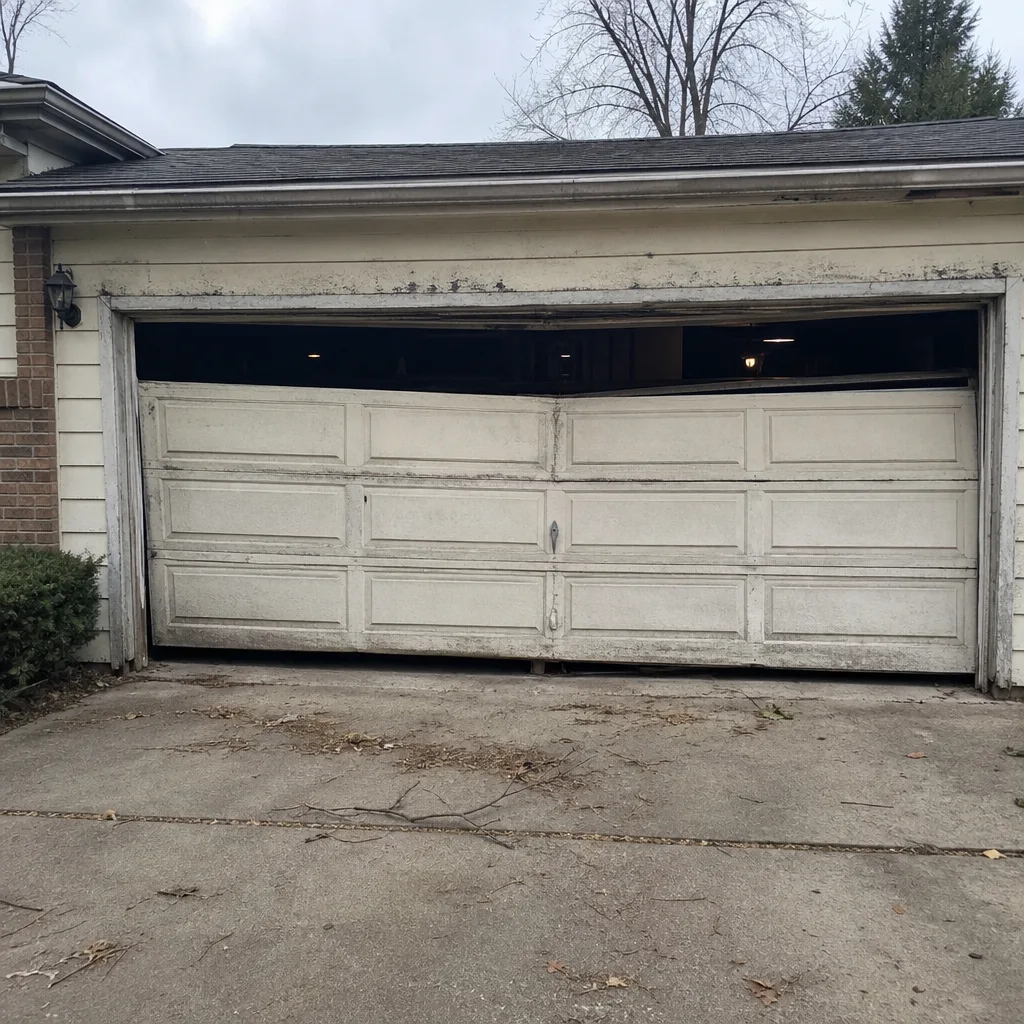 Before
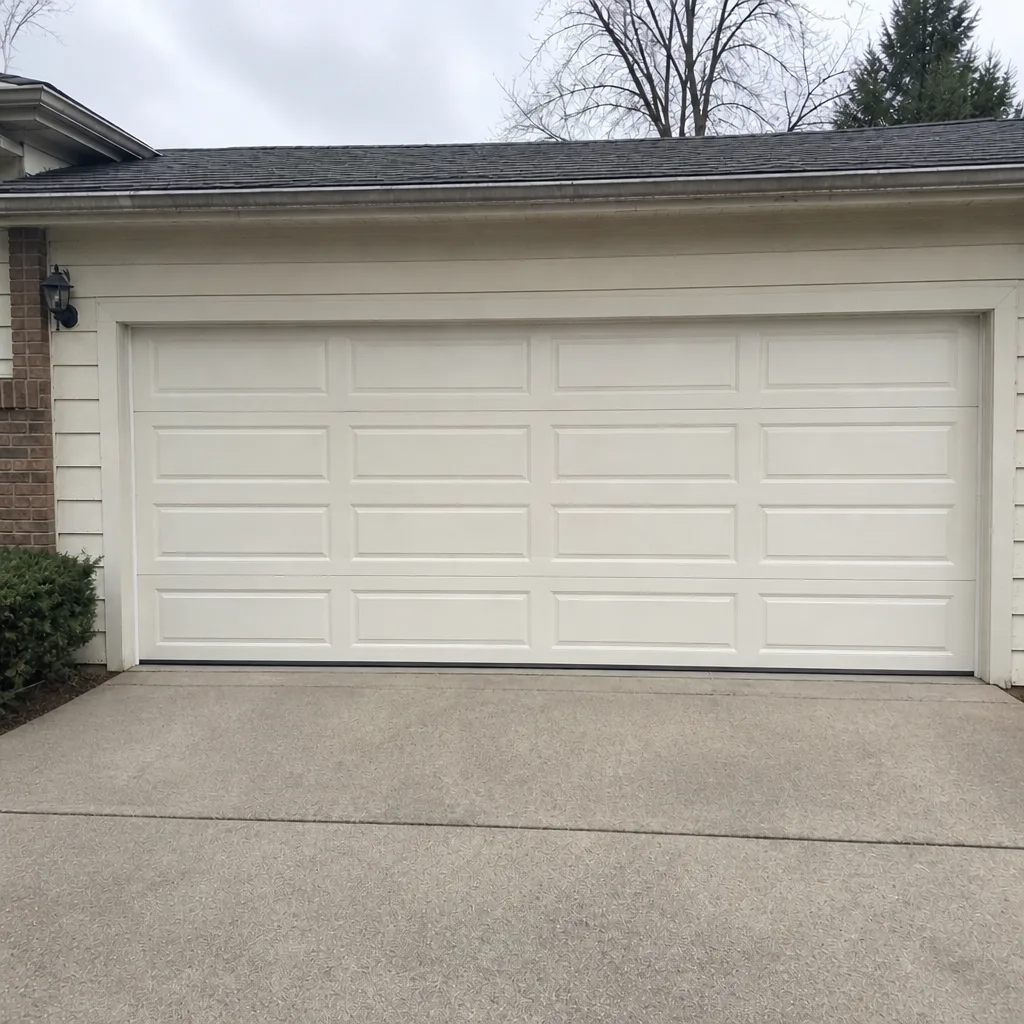 After